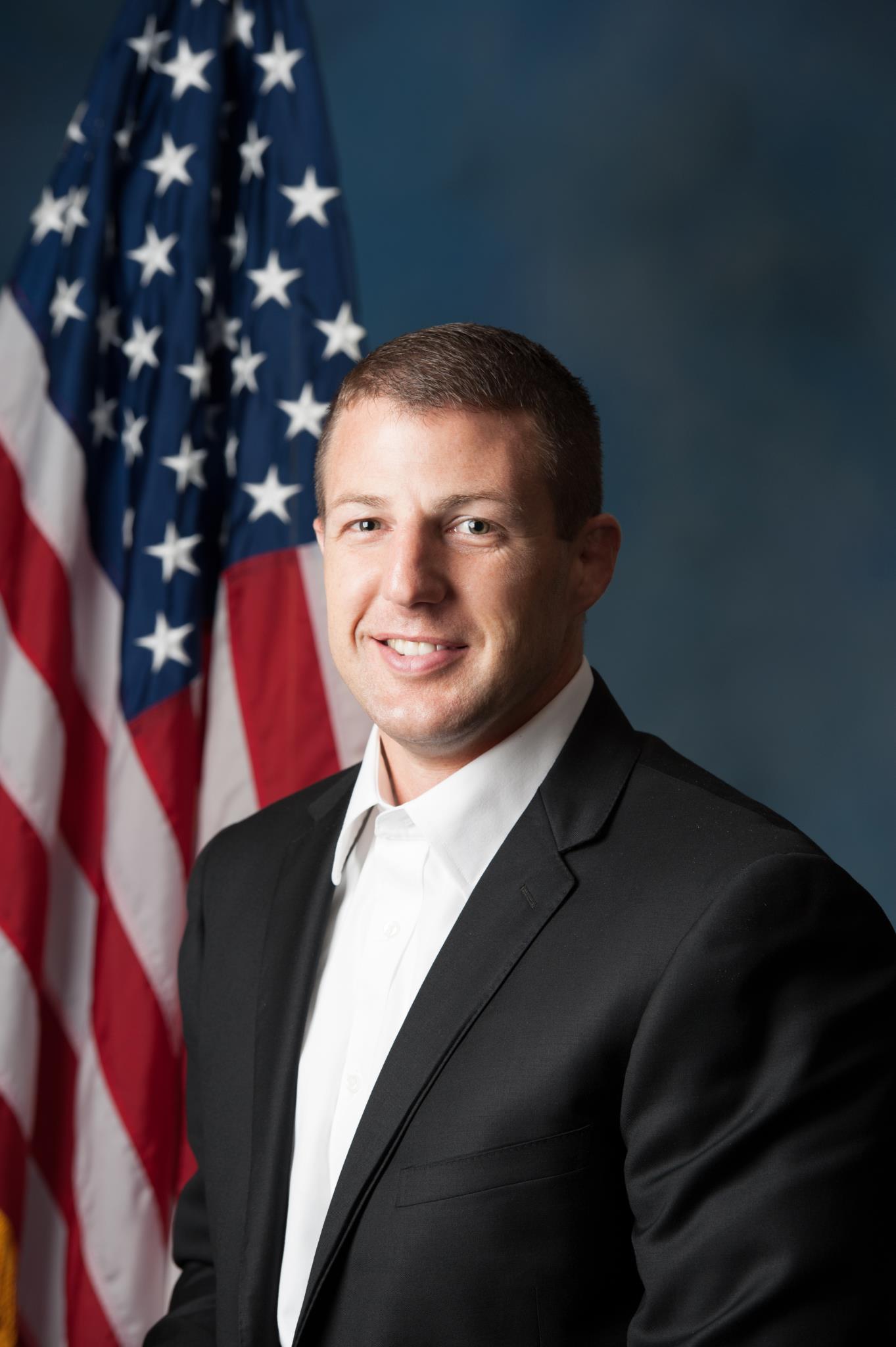
Sen. Bill Cassidy (R-La.) said President Trump should “get engaged” in efforts to lower medical debt during a Senate floor speech Wednesday [1].
The demand highlights a growing tension over the role of the executive branch in addressing the financial burden of healthcare costs. With medical debt serving as a primary driver of financial ruin for many Americans, the call for presidential involvement signals a push for a coordinated federal response between the legislature and the White House.
Cassidy linked the rise in medical debt to the expiration of ObamaCare subsidies [1]. He said that the current trajectory of healthcare costs is unsustainable for the average citizen, creating a cycle of debt that is difficult to escape without systemic intervention.
During his remarks, Cassidy cited a significant correlation between healthcare costs and legal financial failure. He said that 60 percent [1] of personal bankruptcies are tied to medical bills.
“Mr. President, get engaged,” Cassidy said [2].
The senator emphasized that while Congress has a role in crafting legislation, the success of such measures depends on the cooperation of the presidency. He said that the legislative process cannot reach its full potential without a partner in the executive office to implement and support the necessary changes.
“It’s got to be something that we and Congress do, but we can only get something done if the executive branch engages,” Cassidy said [2].
Cassidy's approach on the Senate floor was urgent, using a raised voice to underscore the severity of the medical debt crisis. This public appeal serves as a direct challenge to the administration to prioritize the financial stability of patients facing mounting healthcare expenses.
““Mr. President, get engaged.””
This interaction underscores a strategic effort by some Republicans to address the healthcare affordability gap as subsidies expire. By framing medical debt as a driver of bankruptcy, Cassidy is attempting to move the issue from a purely policy-based debate to an economic urgency that requires immediate executive action to prevent widespread financial instability.