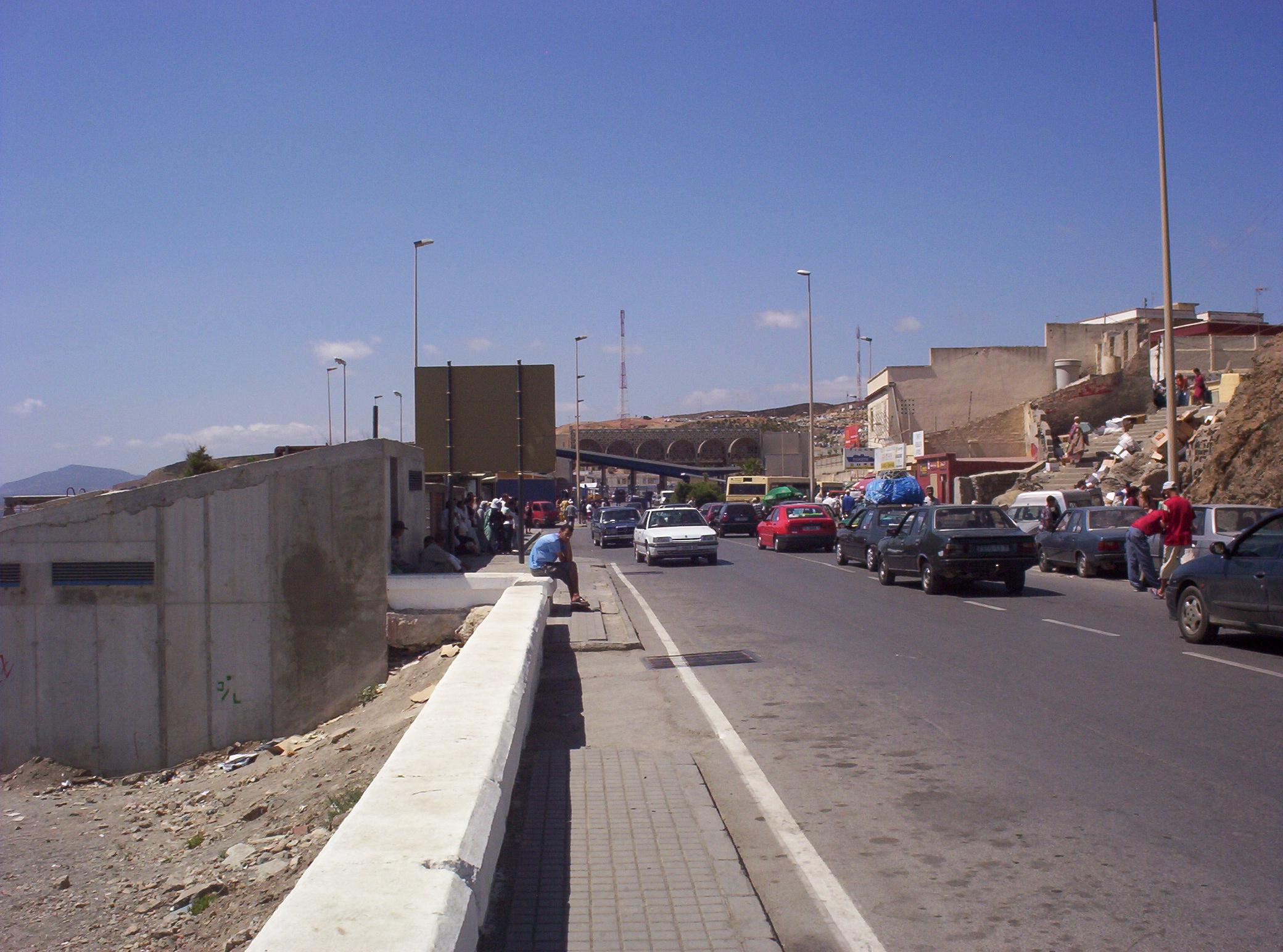
Thousands of Moroccan migrants breached the land border fence separating Morocco from the Spanish enclave of Ceuta on Thursday [1], [2], [3].
This breach represents a significant shift in migration patterns, as thousands entered European Union territory without using boats or crossing the Mediterranean Sea [1], [2]. The event highlights the vulnerability of land borders in North Africa and the desperation of those seeking entry into the EU [1].
The scale of the crossing varies by report. One estimate indicates approximately 50,000 migrants entered the enclave [1], while another report suggests the number was as high as 60,000 people [2]. Other reports describe the influx more generally as thousands of individuals [3].
Ceuta is a Spanish territory located on the North African coast bordering Morocco. Because it is an enclave, migrants who enter the city have technically reached Spain and the EU, yet they remain physically located on the African continent [1], [2].
In response to the breach, Spain said it will deploy its military to restore order at the border with Morocco [3]. The deployment aims to secure the perimeter and manage the thousands of people who entered the territory [3].
The migrants entered the enclave by breaching the perimeter fencing that separates the two nations [1], [2]. This method of entry avoids the perilous sea crossings typically associated with migration from Africa to Europe [1].
“Thousands entered European Union territory without using boats or crossing the Mediterranean Sea.”
The breach at Ceuta underscores a strategic shift in migration routes where land-based entries into EU enclaves provide a perceived alternative to dangerous maritime journeys. While migrants have legally entered EU soil, the geography of the enclave creates a unique legal and physical bottleneck, leaving them in a state of limbo where they are within the EU but unable to move further into mainland Europe.


'%2F%3E%0A%20%20%20%20%3Crect%20width%3D'1600'%20height%3D'900'%20fill%3D'url(%23v)'%2F%3E%0A%20%20%20%20%3Cg%20opacity%3D'0.08'%20fill%3D'%23ffffff'%3E%0A%20%20%20%20%20%20%3Ccircle%20cx%3D'1420'%20cy%3D'180'%20r%3D'220'%2F%3E%0A%20%20%20%20%20%20%3Ccircle%20cx%3D'1500'%20cy%3D'760'%20r%3D'120'%2F%3E%0A%20%20%20%20%3C%2Fg%3E%0A%20%20%20%20%3Cline%20x1%3D'80'%20y1%3D'172'%20x2%3D'220'%20y2%3D'172'%20stroke%3D'%23ffffff'%20stroke-width%3D'3'%20stroke-opacity%3D'0.6'%2F%3E%0A%20%20%20%20%3Ctext%20x%3D'80'%20y%3D'140'%20font-family%3D'Inter%2C%20-apple-system%2C%20Helvetica%2C%20sans-serif'%20font-weight%3D'700'%20font-size%3D'28'%20fill%3D'%23ffffff'%20letter-spacing%3D'6'%3EHANNA%20%C2%B7%20NEWS%3C%2Ftext%3E%0A%20%20%20%20%3Ctext%20x%3D'80'%20y%3D'230'%20font-family%3D'Inter%2C%20-apple-system%2C%20Helvetica%2C%20sans-serif'%20font-weight%3D'600'%20font-size%3D'40'%20fill%3D'%23ffffffb3'%20letter-spacing%3D'4'%3EWORLD%3C%2Ftext%3E%0A%20%20%20%20%3Ctext%20x%3D'80'%20y%3D'694'%20font-family%3D'Playfair%20Display%2C%20Georgia%2C%20serif'%20font-weight%3D'800'%20font-size%3D'110'%20fill%3D'%23ffffff'%20letter-spacing%3D'-1'%3EAjit%20Doval%20Receives%20Lokmanya%3C%2Ftext%3E%3Ctext%20x%3D'80'%20y%3D'820'%20font-family%3D'Playfair%20Display%2C%20Georgia%2C%20serif'%20font-weight%3D'800'%20font-size%3D'110'%20fill%3D'%23ffffff'%20letter-spacing%3D'-1'%3ETilak%20National%20Award%202026%3C%2Ftext%3E%0A%20%20%20%20%3Ctext%20x%3D'80'%20y%3D'870'%20font-family%3D'Inter%2C%20-apple-system%2C%20Helvetica%2C%20sans-serif'%20font-weight%3D'500'%20font-size%3D'22'%20fill%3D'%23ffffff66'%20letter-spacing%3D'2'%3Enews.hanna-ai.com%3C%2Ftext%3E%0A%20%20%3C%2Fsvg%3E)