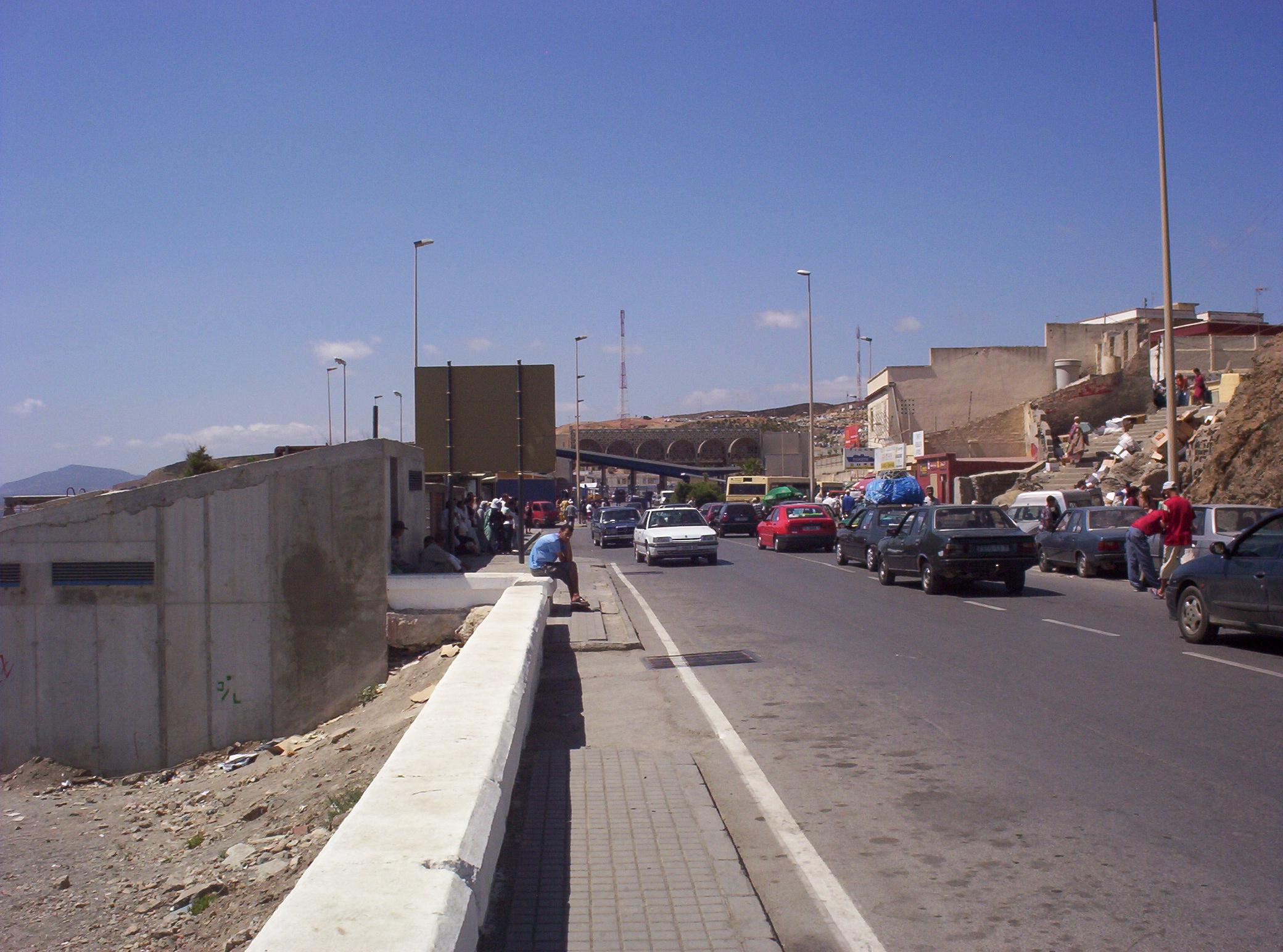
Thousands of Moroccan migrants are returning to Morocco following a sudden, large-scale influx into the Spanish enclave of Ceuta this month.
The event marks the deadliest migration crisis Spain has faced in recent history, highlighting the volatility of border controls in North Africa and the precarious nature of migration routes into the European Union.
Spanish authorities began facilitating the return of migrants after a single-day surge overwhelmed the enclave's border systems. Approximately 60,000 migrants arrived in Ceuta in one day [2], creating a humanitarian and security emergency that strained local infrastructure.
The human cost of the surge was severe. At least 57 people died while attempting to cross from Morocco into the Spanish territory [1].
Following the peak of the crisis, a mass return wave began. A total of 48,300 migrants have already returned to Morocco [3]. The returns have occurred both by land and sea as Spanish and Moroccan officials managed the outflow of people from the enclave.
Ceuta, a Spanish city located on the North African coast, remains a primary focal point for those attempting to enter the EU. The sudden scale of this month's arrivals prompted immediate intervention by Spanish authorities to stabilize the border and coordinate the repatriation of those who had entered during the surge.
“The deadliest migration crisis Spain has faced in recent history.”
This crisis underscores the fragility of the border agreement between Spain and Morocco. The sheer volume of arrivals in a 24-hour window suggests a coordinated or sudden shift in migration patterns that can quickly outpace state capacity, leading to high casualty rates and necessitating rapid, large-scale repatriations to maintain regional stability.

