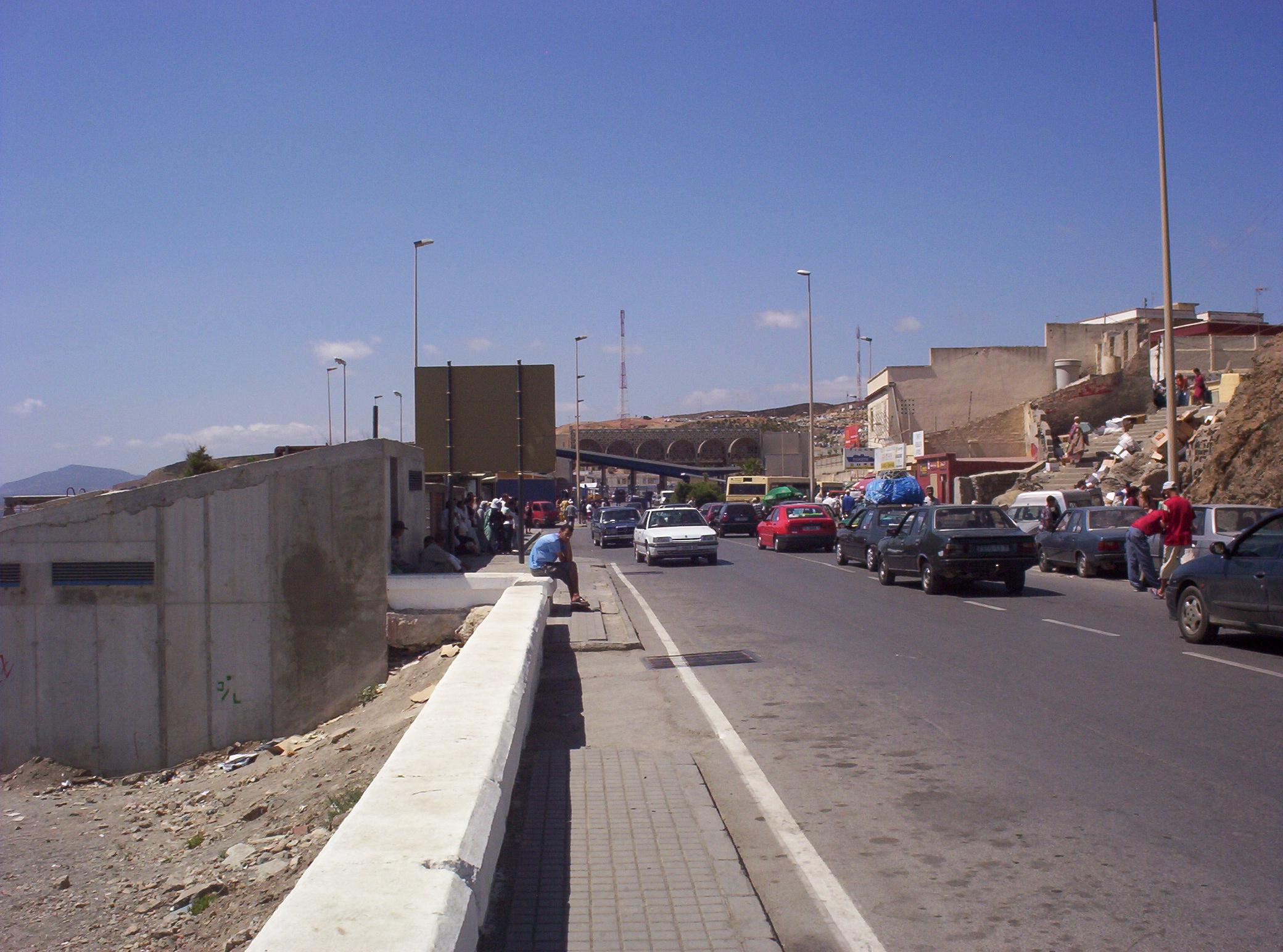
A large crowd of migrants attempted to enter the Spanish enclave of Ceuta through the Tarajal border crossing on Friday [1].
The surge represents a significant security challenge for the Spanish territory, which shares a land border with Morocco. Such mass attempts to breach border controls often strain local resources and heighten diplomatic tensions between Spain and Morocco regarding migration management.
Authorities said that more than 49,000 people crossed illegally into Ceuta in a 24-hour period [1]. The events centered on the Tarajal crossing, where migrants gathered in large numbers to push through the perimeter.
Spanish security forces deployed to the area to manage the crowd and prevent further unauthorized entries. The scale of the movement has prompted discussions regarding the efficacy of current border policies and the humanitarian conditions facing those attempting to reach the European Union.
Ceuta remains one of the most contested border points in North Africa due to its status as a Spanish territory. The influx of thousands of people in such a short window creates immediate logistical pressures for the administration of the enclave, including the need for processing, housing, and medical screening for those who successfully crossed.
“More than 49,000 people crossed illegally into Ceuta in a 24-hour period.”
The scale of this breach suggests a coordinated or simultaneous movement of people, highlighting the vulnerability of the Tarajal crossing. This event underscores the ongoing tension between Spain's border security mandates and the regional migration crisis, likely leading to increased pressure for bilateral agreements with Morocco to curb illegal crossings.