The Colorado Mountain Club is urging hikers to prioritize safety as hundreds [2] prepare to climb the state's 14,000-foot peaks [3].
These warnings come as the region prepares for a massive influx of visitors celebrating Colorado's 150 years of statehood [4]. Because lightning poses a serious risk of injury or death on high-elevation peaks, officials are emphasizing strict adherence to timing and weather monitoring [1, 2].
Organizers have announced "Summit 2026" as a once-in-a-generation celebration of the mountains, landscapes, and outdoor experiences [1]. The festivities center around the state's 150th birthday on Aug. 1, 2026 [1]. To mitigate the risk of being caught in a storm, experts recommend a "start early, end early" approach.
"Start early, end early: Lightning is a big danger when climbing a Colorado 14er," said a 9 News Australia presenter [1].
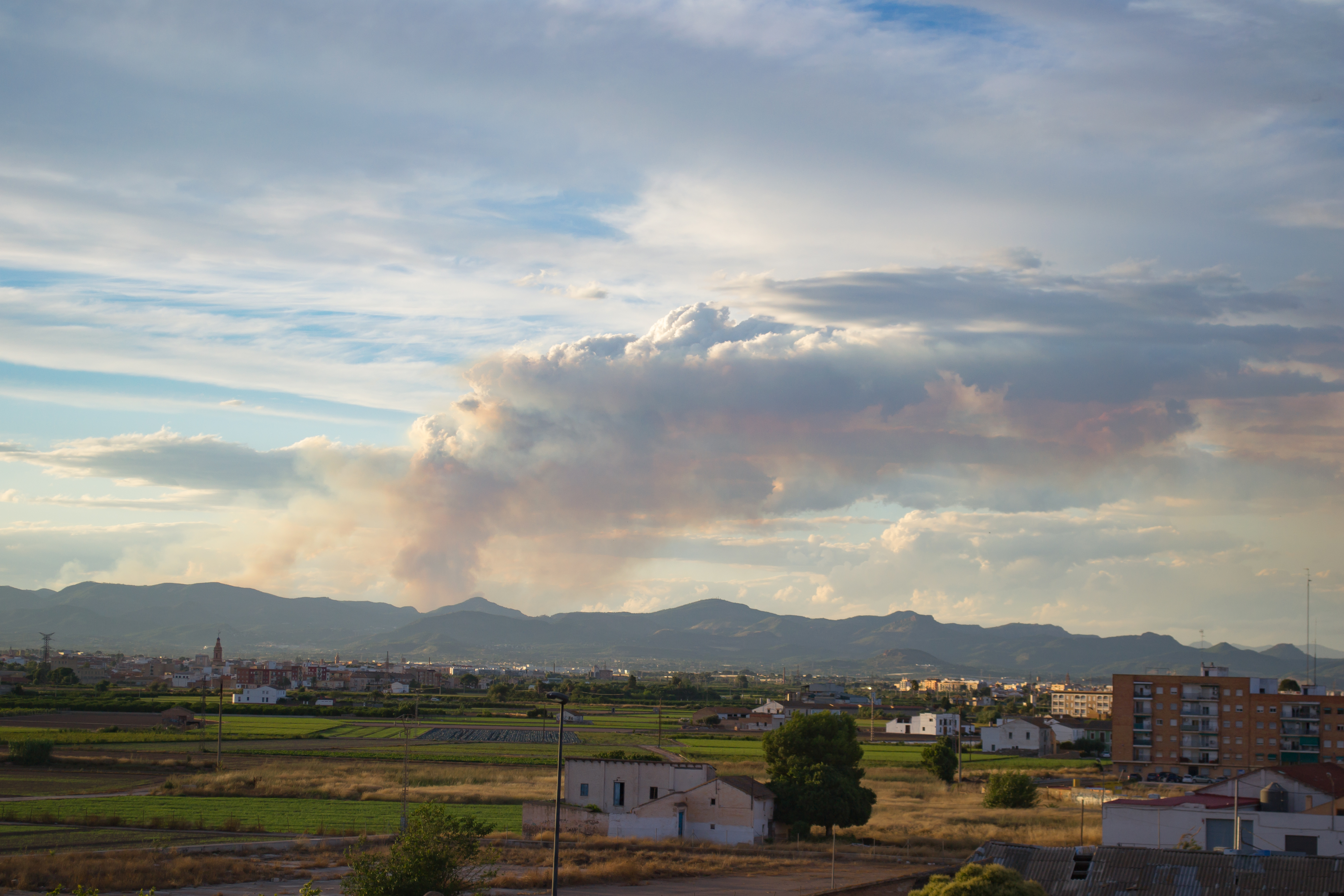
High-altitude weather can shift rapidly, making it difficult for inexperienced hikers to recognize danger. A spokesperson for the Colorado Mountain Club said that "funky-colored clouds are one sign that lightning is likely near, and your hike is over" [2].
The club is leading hundreds of hikers up the 14ers to mark the anniversary while emphasizing responsible recreation [2]. Hikers are advised to turn back immediately if a thunderstorm appears to be brewing, regardless of how close they are to the summit [1, 2].
By maintaining a strict schedule and monitoring the horizon for atmospheric changes, hikers can avoid the most dangerous windows for lightning strikes, which typically occur later in the afternoon on the peaks [1].
“"Start early, end early: Lightning is a big danger when climbing a Colorado 14er."”
The convergence of a major state anniversary and the peak summer hiking season creates a high-risk scenario for emergency services. With hundreds of amateur hikers attempting high-altitude summits simultaneously, the emphasis on 'starting early' is a critical public health measure to prevent mass-casualty lightning events on the 14ers.