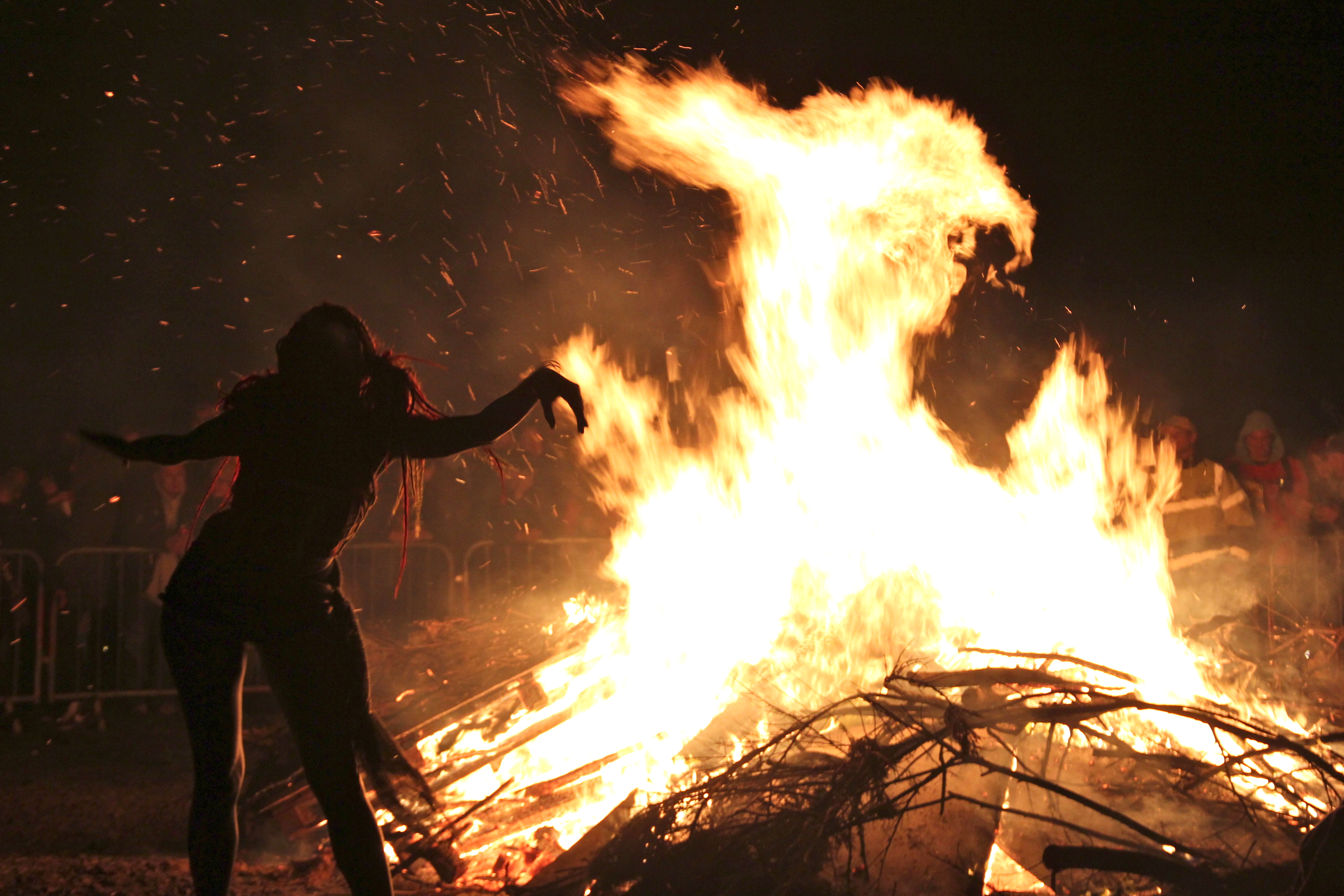
Approximately 5,000 spectators [1] gathered on Calton Hill in Edinburgh to celebrate the annual Beltane fire festival on a clear, cold summer night.
The event serves as a modern revival of ancient Celtic traditions, blending historical mythology with public performance to mark the seasonal transition. It draws significant crowds to the Scottish capital, reinforcing the city's connection to its ancestral heritage.
The festival focuses on the symbolic rebirth of the "Green Man," representing life, and the fertility of the "May Queen" [2]. These figures are central to the ceremony, which uses fire to usher in the summer season. The gathering is part of a larger tradition of Beltane celebrations that honor the natural world, and the cycle of growth.
This specific iteration of the festival has been held annually since 1988 [1]. The ceremony on Calton Hill creates a visual spectacle against the Edinburgh skyline—a tradition that has grown in scale over the decades. Participants and spectators alike engage with the fire rituals to commemorate the shift in seasons.
Organizers and performers use the high vantage point of the hill to ensure the fires are visible across the city. The event remains a key cultural fixture in Scotland, bridging the gap between ancient pagan beliefs and contemporary community celebration [2].
“Approximately 5,000 spectators gathered on Calton Hill in Edinburgh”
The continued popularity of the Beltane fire festival reflects a broader trend of cultural reclamation in Scotland, where ancient Celtic identities are integrated into modern urban life. By maintaining a consistent annual presence since 1988, the event transforms a historical pagan rite into a sustainable tourism and community asset for Edinburgh.


