The Emperor of Japan inspected the Iwabuchi Water Gate on the Arakawa River by boat on Monday afternoon [1].
The visit highlights the Emperor's long-term focus on water management, a subject he has treated as a life's work since his time as Crown Prince [2, 3].
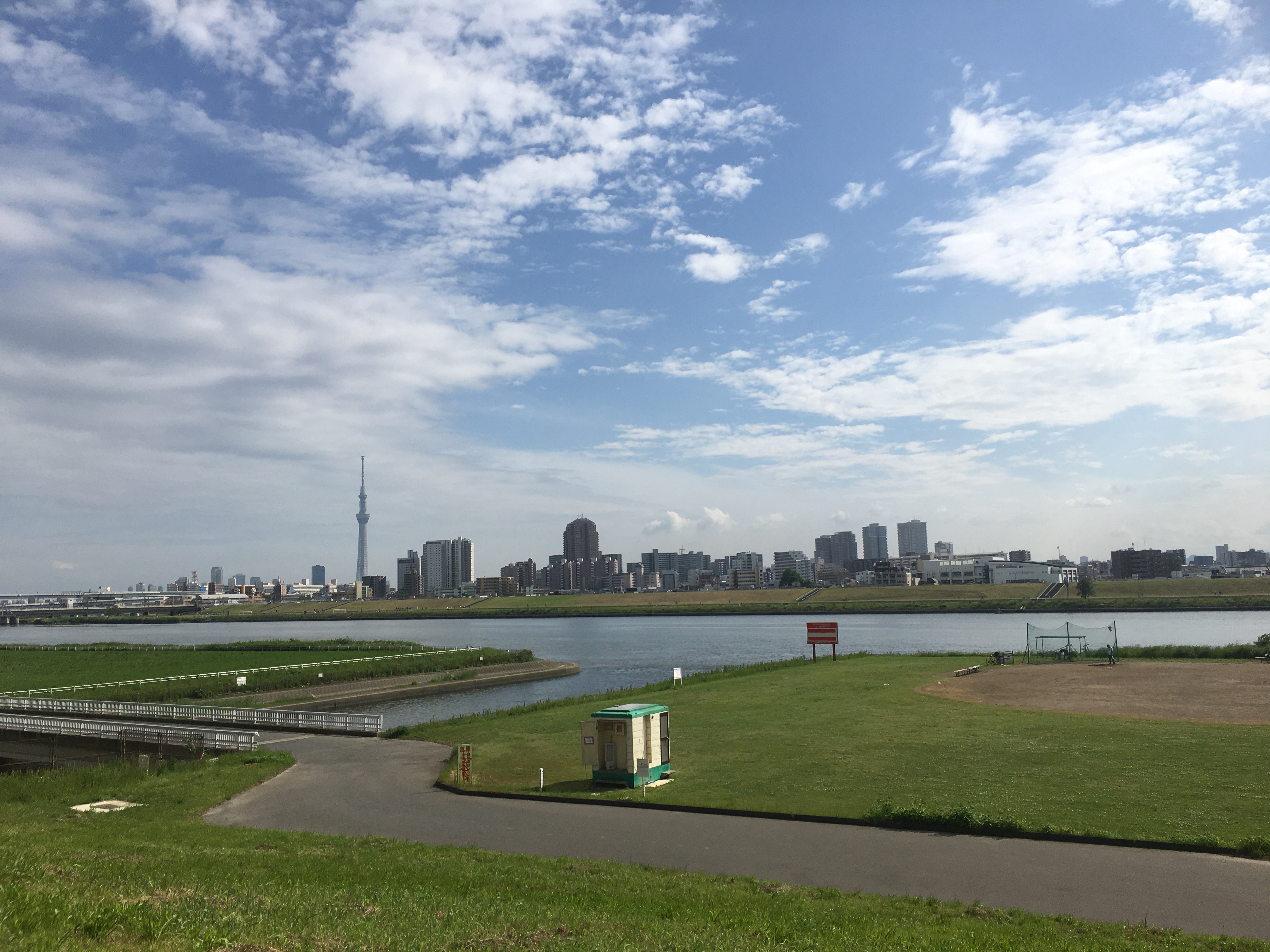
During the inspection, the Emperor traveled by boat to the water gate, also known as the Arakawa Lock Gate [3]. The facility is located near the junction of the Arakawa and Sumida rivers in Tokyo [1]. While at the site, the Emperor took photographs and asked questions regarding the operation and maintenance of the infrastructure [1].
Reports on the timing of the visit vary among sources. One report said the inspection occurred on the afternoon of June 1 [1], while another source cited the event as taking place after 4:30 p.m. on May 22, 2024 [2].
Location descriptions also differ slightly between records. Some sources place the facility specifically within the Edogawa ward of Tokyo [3], while others describe it more generally as being near the branching point of the Arakawa and Sumida rivers [1].
Beyond the water gate, the itinerary included a visit to the Arakawa Water Knowledge Museum [1]. This addition to the trip allowed the Emperor to review historical and technical data regarding the river's management, and the prevention of flooding in the metropolitan area.
Throughout the visit, the Emperor engaged with officials to understand the current challenges facing urban water systems. His interest in these facilities reflects a consistent pattern of royal visits focused on environmental sustainability and disaster prevention [2, 3].
“The Emperor of Japan inspected the Iwabuchi Water Gate on the Arakawa River by boat.”
The Emperor's repeated focus on water infrastructure underscores the Japanese monarchy's role in highlighting national priorities, such as climate resilience and flood control. By visiting both the physical lock gates and the Water Knowledge Museum, the Emperor signals the importance of combining practical engineering with historical data to manage Tokyo's complex river systems.