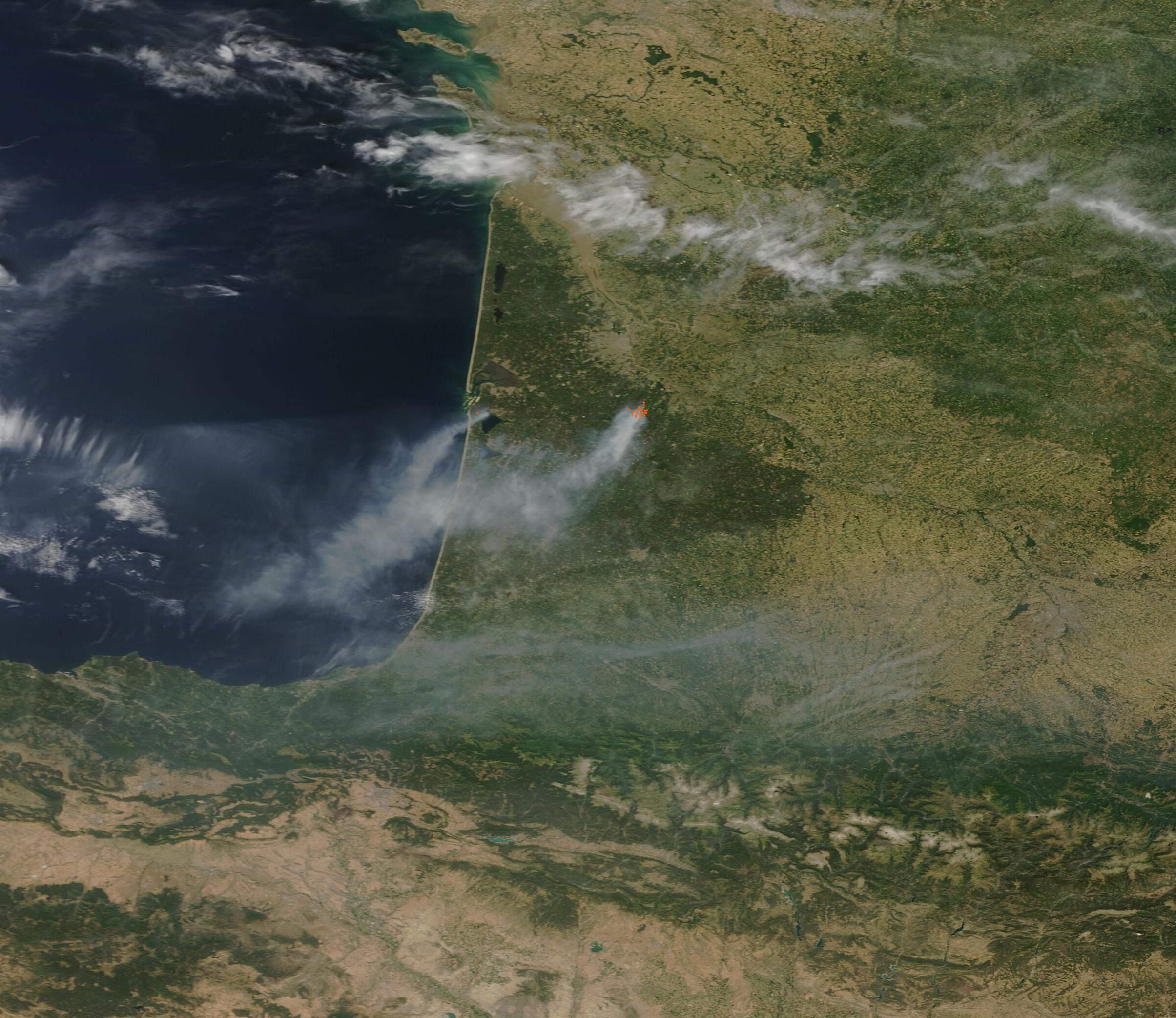
The European Commission activated its emergency response system on Monday to deploy firefighting aircraft, helicopters, and ground teams to France and Spain [1, 2].
This intervention comes as escalating wildfires overwhelm national response capacities, signaling a critical strain on the region's ability to manage extreme weather events [1, 2].
To support efforts in France, the European Union provided seven firefighting aircraft [1] and four helicopters [1]. These assets are intended to supplement local resources as fires continue to challenge containment efforts across the country.
Spain has also received significant assistance from the EU emergency system. The commission deployed six firefighting aircraft [1] and three ground firefighting teams [1] to help Spanish authorities manage the blazes.
The deployment of these resources follows warnings that current wildfires are pushing response systems to their limit [1, 2]. By coordinating the movement of specialized equipment and personnel, the European Commission aims to prevent further damage and stabilize the affected areas [1, 2].
The activation of the emergency system allows the EU to redistribute assets across member states when individual nations can no longer cope with the scale of a disaster. This collective approach is designed to ensure that high-capacity equipment, such as heavy-duty water bombers, is positioned where the need is most urgent.
“The European Commission activated its emergency response system on Monday to deploy firefighting aircraft, helicopters, and ground teams.”
The activation of the EU's emergency response system highlights a growing gap between the increasing intensity of summer wildfires and the available national infrastructure. As member states like France and Spain reach their capacity limits, the reliance on centralized European coordination becomes a necessity for disaster mitigation rather than a secondary support measure.