Dr. Anthony Fauci invoked his Fifth Amendment rights Wednesday to avoid answering questions about Wuhan lab funding and gain-of-function research [1].
The refusal marks a significant escalation in the long-standing conflict between the former top U.S. health official and Republican lawmakers over the origins of COVID-19. Because the Fifth Amendment protects individuals from self-incrimination, the move suggests a legal strategy to avoid testimony that could be used in potential criminal proceedings.
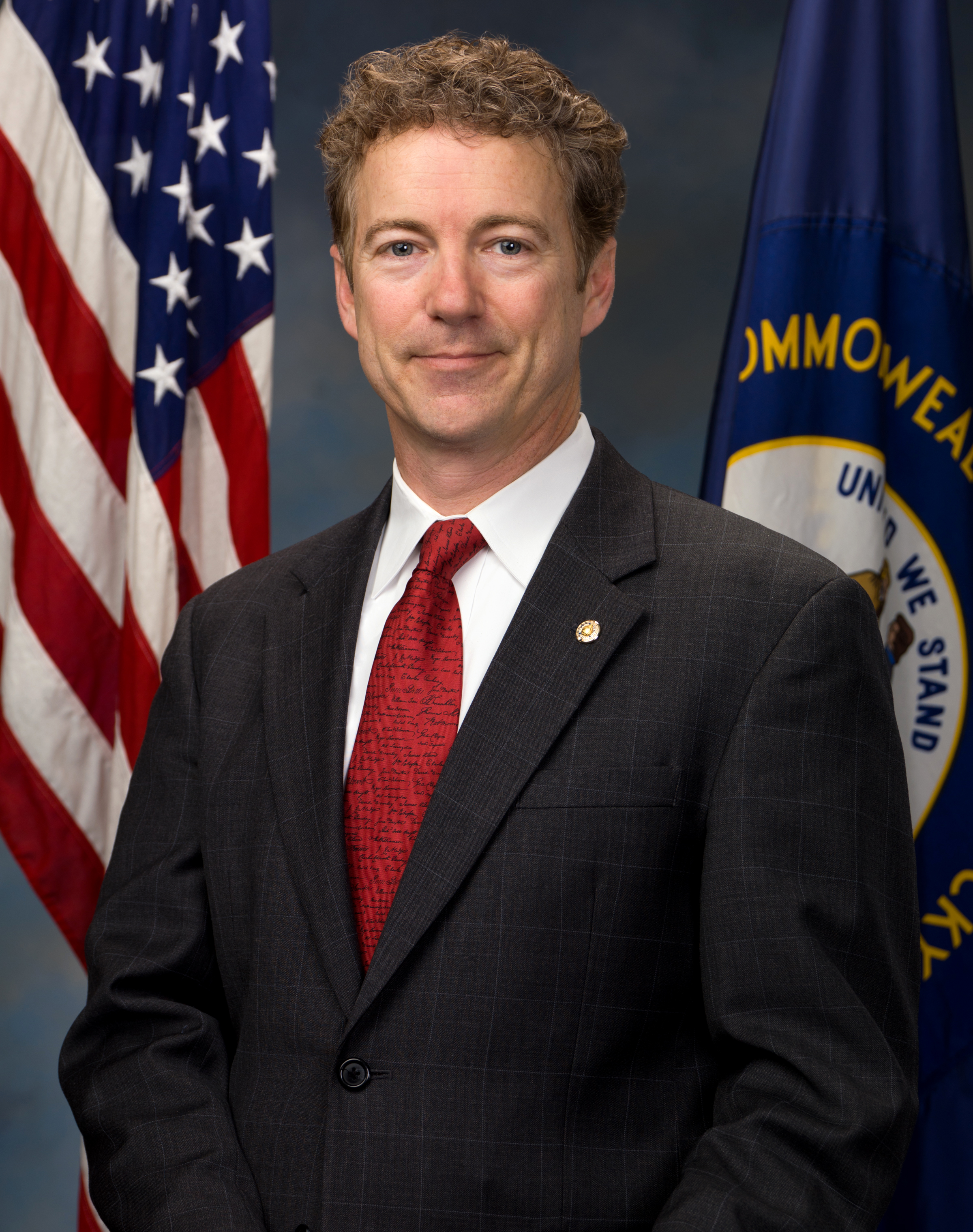
During the hearing in Washington, D.C., on July 29, 2026 [1], Sen. Rand Paul (R-KY) questioned Fauci on the nature of U.S.-funded research in China. Fauci declined to provide answers to these specific inquiries, citing his constitutional protections [2].
Fauci said the line of questioning reflected an "obvious obsession with calling for my prosecution" [3]. He said that he feared Republicans intended to use his testimony as a basis to prosecute him for perjury [4].
The hearing follows the recent release of a diary, which provided further impetus for the committee's investigation into the funding of the Wuhan Institute of Virology [1]. The tension between the two men has persisted for years, centering on whether the U.S. government funded research that could have led to the pandemic.
Fauci's decision to plead the Fifth is a rare move for a former public health official during a congressional hearing. It effectively halts the committee's ability to extract direct admissions regarding the specific funding mechanisms used for research in Wuhan [2].
“Dr. Anthony Fauci invoked his Fifth Amendment rights Wednesday to avoid answering questions about Wuhan lab funding”
The invocation of the Fifth Amendment by a former high-ranking official indicates that the legal risks surrounding the COVID-19 origin debate have shifted from political theater to potential judicial liability. By refusing to testify, Fauci avoids creating a record that could be used to support perjury charges, while simultaneously providing political ammunition to critics who argue that the lack of transparency hides government negligence.