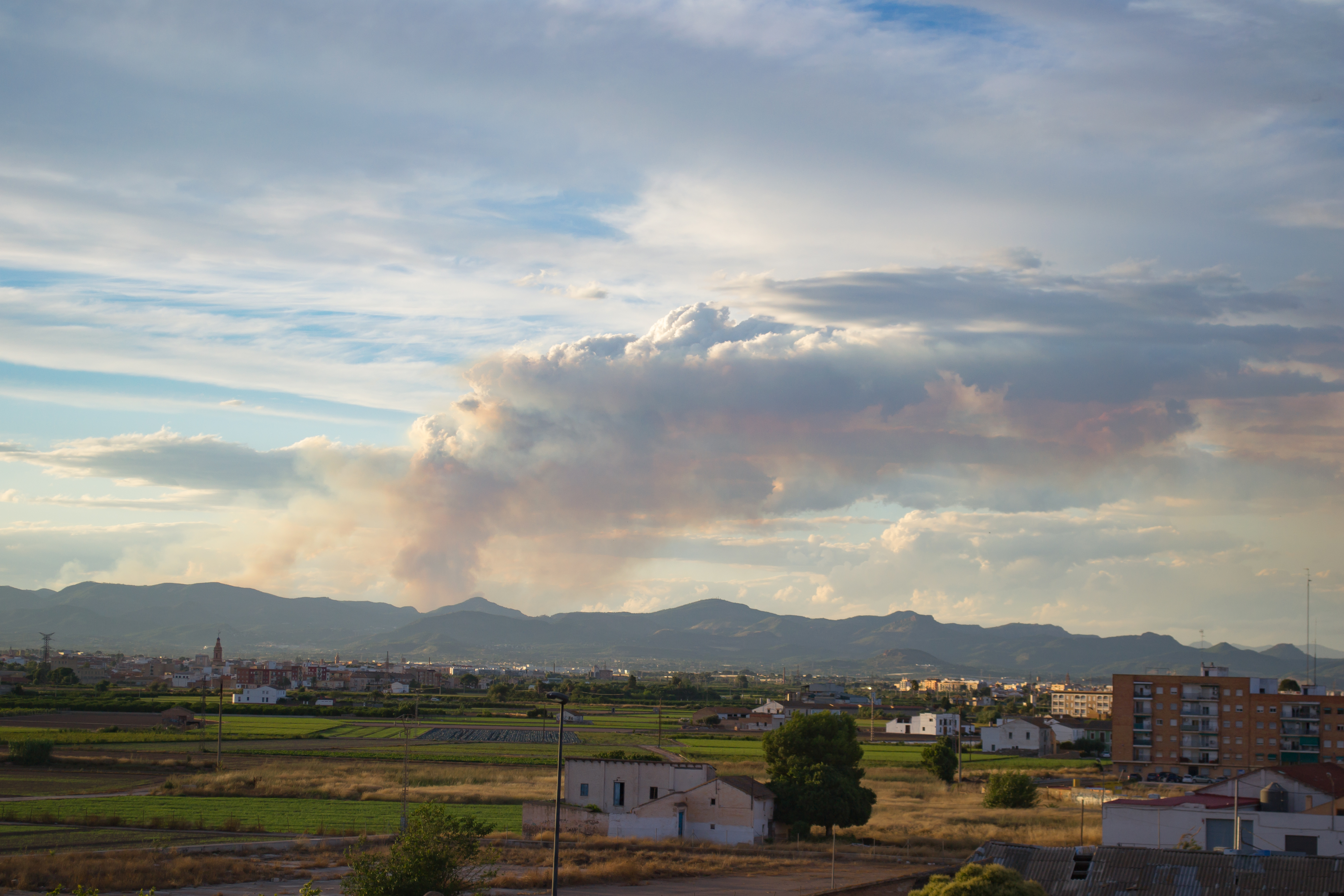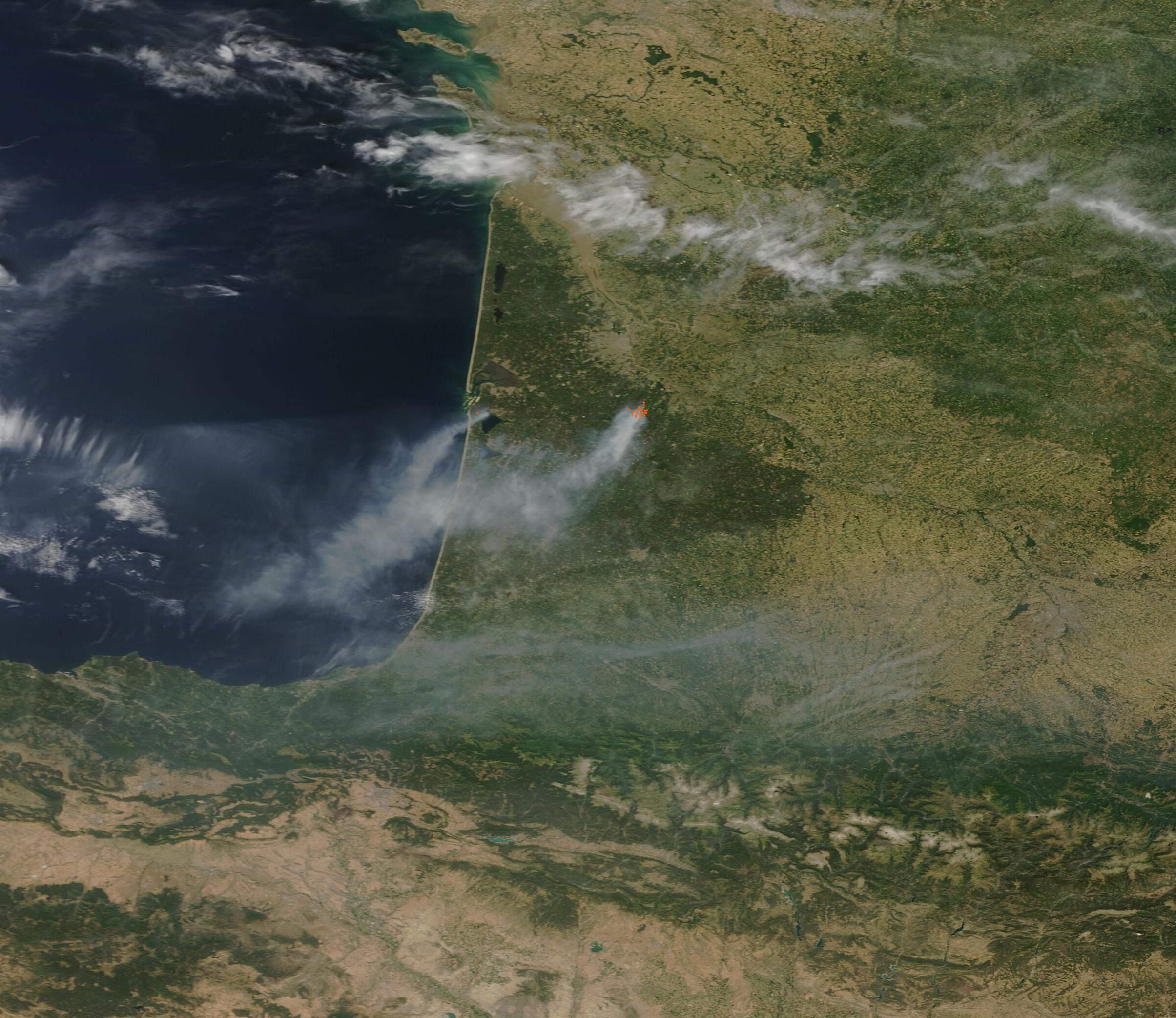
French authorities are battling a massive wildfire in the Gironde department near Bordeaux as an intense heat wave fuels the blaze.
The situation is critical because the combination of extreme temperatures and dry conditions creates a tinderbox effect, threatening residential areas and complicating firefighting efforts.
The wildfire has grown to a size four times that of Paris [5]. In the Bordeaux area, nearly 4,000 people have been evacuated [1]. This local crisis is part of a broader regional emergency, with approximately 330,000 people evacuated across France and Spain during the current fire crisis [2].
French civil protection agency crews and local firefighters are leading the response. To combat the flames, authorities have deployed more than 20 aircraft [3]. These aerial efforts are essential for reaching remote areas of the Atlantic coast where the fire is most active.
Weather forecasts indicate that temperatures may reach 40 °C [4]. This extreme heat threatens to undo overnight gains made by fire crews and could trigger new surges in the fire's spread. The Gironde region remains under high alert as crews work to establish containment lines.
Scientists link these worsening European wildfires to climate change, noting that prolonged dry conditions and rising temperatures are making the landscape more susceptible to rapid ignition. The Atlantic coast's specific geography and vegetation have contributed to the scale of the current disaster.
“The wildfire has grown to a size four times that of Paris”
The scale of the Gironde wildfire illustrates a growing trend of 'mega-fires' in Southern Europe. As climate change increases the frequency of extreme heat waves and prolonged droughts, traditional firefighting methods are being pushed to their limits. The massive number of evacuations across France and Spain suggests that regional coordination and aerial resources are becoming the primary defense against an increasingly volatile environment.