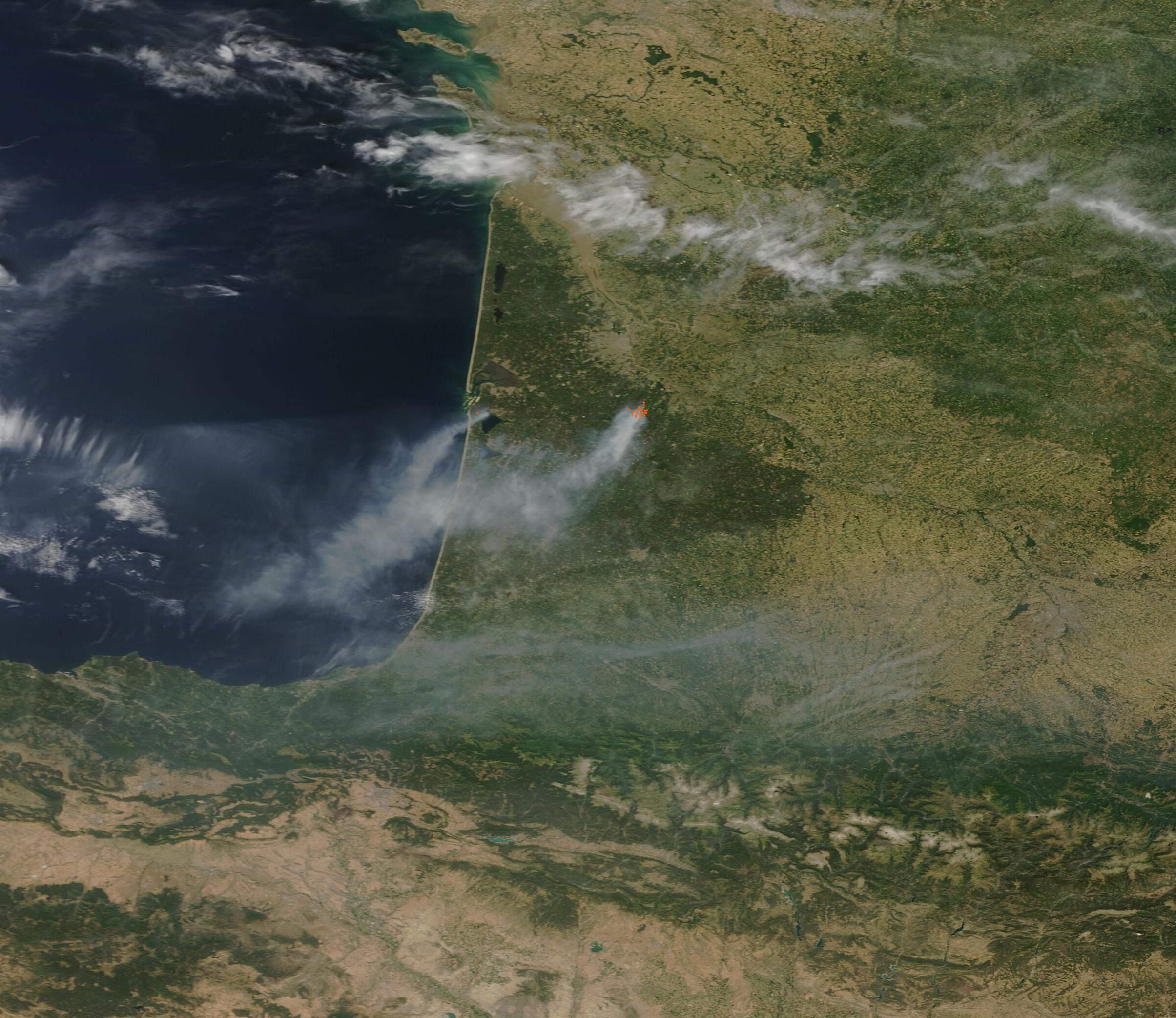
Wildfires across southern France and Spain have forced more than 300,000 people to evacuate their homes [1].
The scale of the displacement and the rapid spread of the flames highlight the increasing volatility of European summers. As historic heatwaves create extreme dryness, the region faces a heightened risk of uncontrollable blazes that threaten both human life and critical ecosystems [1, 5].
In Spain, the Valencia region has been hit particularly hard, with reports confirming at least one death [1]. Fires have also been reported in areas near Madrid, complicating emergency response efforts as authorities struggle to contain the perimeter [2].
France is facing similar devastation across multiple departments. In the interior of the country, more than 10,000 people have been evacuated [2]. The French Prime Minister said, "As próximas horas podem ser difíceis" — the next few hours could be difficult [4].
The environmental toll is significant. Reports indicate that more than 17,000 hectares of vegetation have been consumed [6]. Other estimates place the total area burned across France, Spain, Portugal, and Greece at almost 20,000 hectares [3].
This surge in wildfires follows a lethal period of extreme heat. During the week of June 22-29, 2026, deaths in France attributed to the heatwave reached over 2,000 [3]. Some reports suggest the toll may be even higher, exceeding 3,000 [7].
International support has been mobilized to assist local firefighting crews. The European Union has sent international reinforcements to help combat the flames [2]. Local authorities continue to monitor wind patterns and humidity levels to predict the movement of the fire fronts.
“More than 300,000 people have been forced to leave their homes.”
The convergence of a historic heatwave and massive wildfires suggests a compounding climate crisis in Southwestern Europe. The high death toll from heat-related illnesses in June, followed by the July blazes, indicates that existing infrastructure and emergency protocols may be insufficient for the new baseline of extreme weather events.