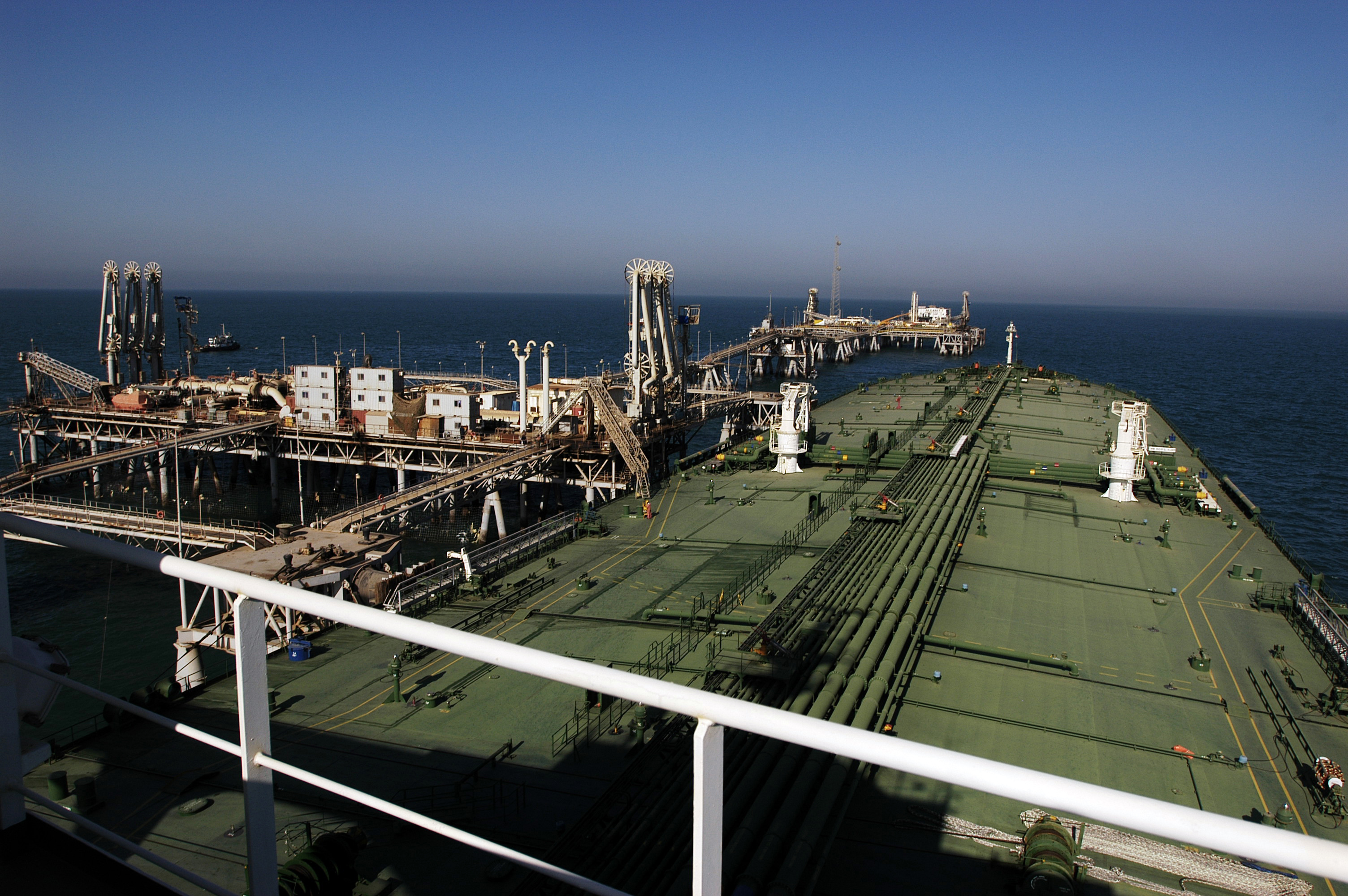
Global crude oil prices have surged as geopolitical tensions and market uncertainty drive investor anxiety [1, 3].
This volatility threatens to increase fuel costs for importing nations and disrupt global economic stability. Rising prices in the crude market often lead to higher petrol and diesel costs for consumers, creating inflationary pressure on essential goods, and transportation [1].
Market analysts said renewed actions by the U.S. and Israel against Iran are the primary catalyst for the current price spike [1, 3]. The instability in the Middle East—a region central to global energy supplies—has created a risk premium that traders are pricing into current contracts [2, 3].
India is among the nations facing potential economic headwinds from these shifts. Because the country relies heavily on imported oil, any sustained increase in crude costs raises concerns over domestic fuel pricing and the broader national economy [1].
Investors are currently monitoring developments in Iran and the wider region to gauge if the supply chain will be physically disrupted. While production levels may remain steady for now, the threat of escalation continues to unsettle the commodity markets [2, 3].
Financial markets are seeing a broader trend of volatility. Along with oil, other assets such as gold and bitcoin are reacting to the same geopolitical instability as investors seek hedges against uncertainty [3].
“Global crude oil prices have surged as geopolitical tensions and market uncertainty drive investor anxiety”
The current surge in oil prices reflects a 'fear premium' rather than a confirmed shortage of physical supply. However, because energy costs act as a primary driver for inflation, prolonged tensions between the U.S., Israel, and Iran could force central banks in oil-dependent economies to maintain higher interest rates to combat rising costs of living.