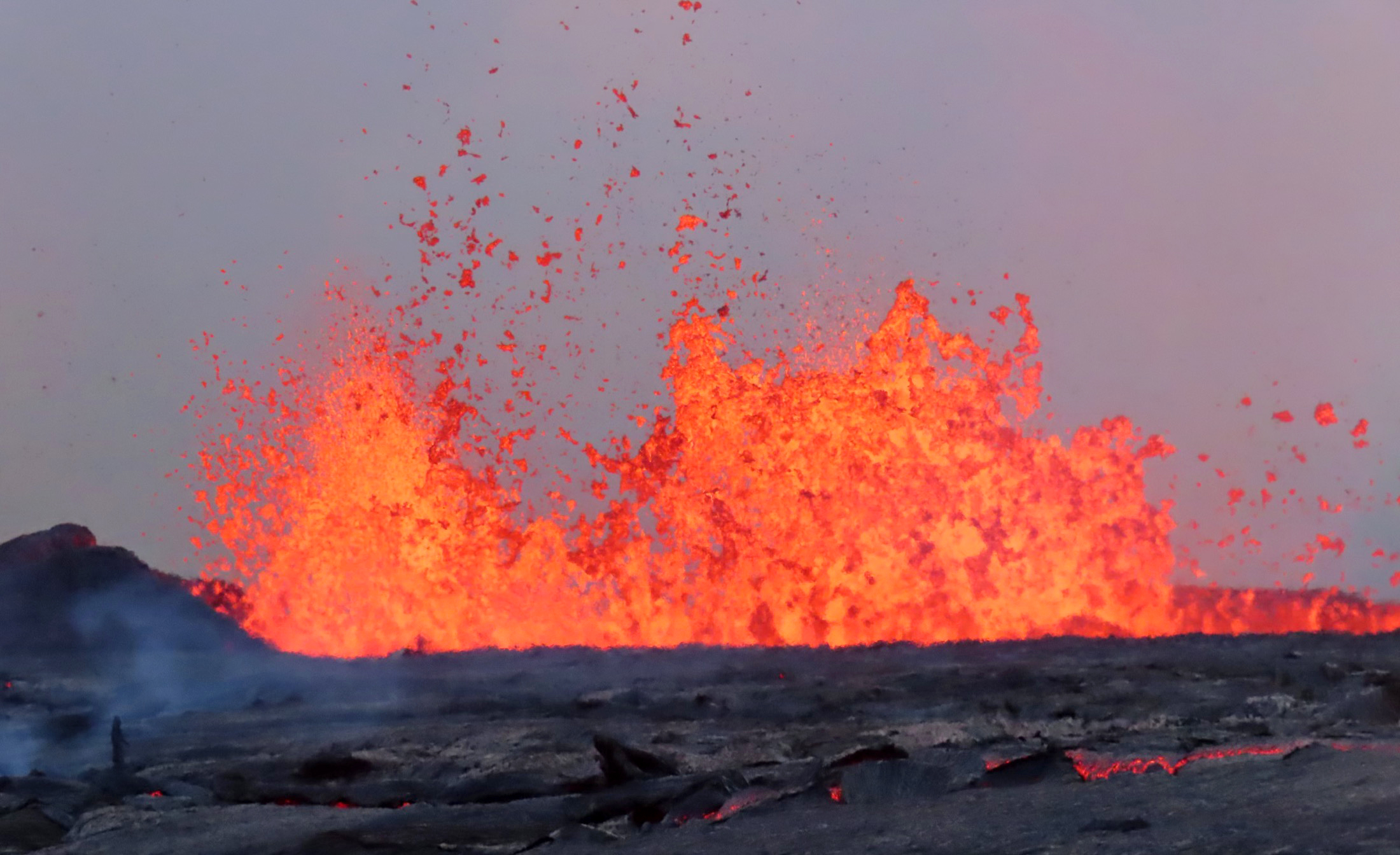
An explosion at a Hanwha Aerospace plant in Daejeon, South Korea, resulted in seven casualties [1].
The incident underscores the extreme volatility of aerospace manufacturing, where a single failure in safety protocols can lead to mass casualties. Because the facility handles high-risk chemical processes, the event raises questions about the adequacy of current industrial safety standards in the defense sector.
The explosion occurred at the company's plant located in Oesam-dong, Yuseong-gu [1], [2]. This specific facility is tasked with the development and manufacture of large propulsion engines [1], [2]. The site is critical to aerospace operations, as it conducts high-risk processes including the charging and mixing of propellants [1], [3].
Industry experts note that propellant mixing is particularly dangerous because friction or static electricity can trigger large-scale accidents [1], [3]. The occurrence of such an event suggests significant shortcomings in the plant's safety systems [1], [3].
Son Jae-il, CEO of Hanwha Aerospace, addressed the incident in a statement to YTN. He said the company feels a deep sense of responsibility and will fundamentally re-examine and correct the safety systems from the ground up [3].
Local authorities have not yet released a final report on the exact spark that led to the blast. However, the nature of the work at the Oesam-dong site—dealing with volatile chemicals used to power large engines—makes it a high-risk environment by design [1], [2].
“An explosion at a Hanwha Aerospace plant in Daejeon, South Korea, resulted in seven casualties.”
This accident highlights the inherent risks associated with the production of large-scale propulsion systems. As South Korea expands its domestic aerospace and defense capabilities, the pressure to maintain rapid production cycles may clash with the rigorous safety requirements needed for propellant handling. The CEO's pledge to overhaul safety systems suggests that the company may face regulatory scrutiny or be forced to implement more stringent, slower-paced safety checks that could impact production timelines.