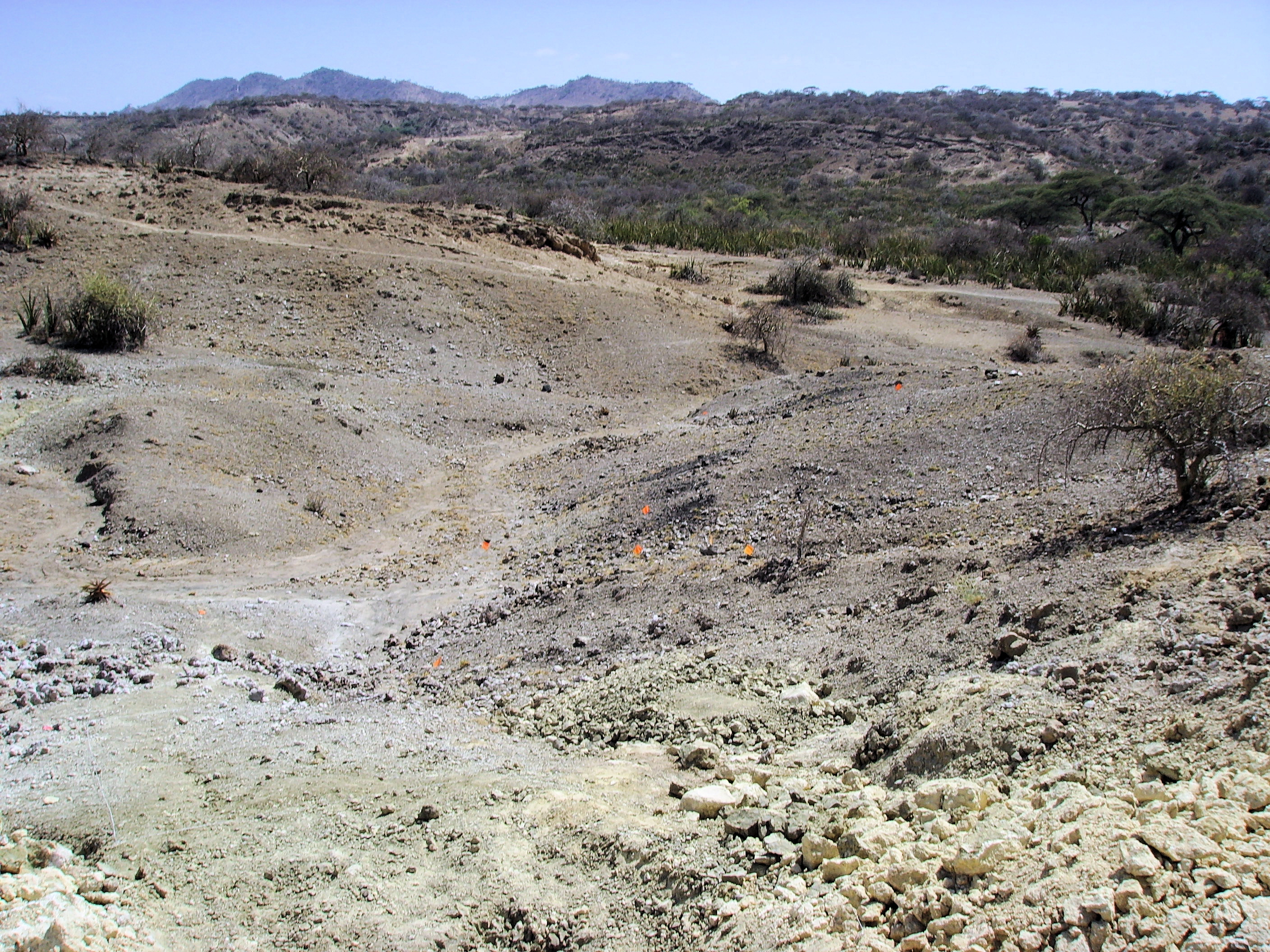
Homo sapiens may not be the most successful human species based on evolutionary metrics of longevity and geographic expansion [1].
This perspective challenges the common assumption that modern humans are the pinnacle of human evolution. By shifting the definition of success from technological advancement to survival duration, researchers highlight a different biological narrative.
Homo sapiens have existed for approximately 300,000 years [1]. While this species has achieved global dominance, its tenure on Earth is relatively short compared to its predecessors.
In contrast, Homo erectus survived for nearly two million years [2]. This earlier human species demonstrated a remarkable ability to adapt to diverse environments over a vast stretch of time.
Geographic spread serves as another key marker of success. Homo erectus was the first human species to leave Africa and colonize Eurasia [2]. By establishing populations across multiple continents, the species proved its resilience and versatility long before the emergence of modern humans.
Evolutionary success is often measured by how long a species persists and how widely it distributes its population [1]. Under these specific criteria, Homo erectus outperformed Homo sapiens in both categories [2].
While modern humans possess advanced cognitive abilities and tools, those traits have not yet matched the sheer endurance of Homo erectus. The earlier species maintained a stable presence on the planet for a period nearly seven times longer than that of Homo sapiens [1], [2].
“Homo erectus survived for nearly 2 million years.”
This analysis recontextualizes human success by prioritizing biological persistence over cultural or technological achievement. While Homo sapiens have transformed the planet in a short window of time, the longevity of Homo erectus suggests that the traits allowing for millions of years of stability may be as significant to evolutionary biology as the traits that allow for rapid global expansion.

'%2F%3E%0A%20%20%20%20%3Crect%20width%3D'1600'%20height%3D'900'%20fill%3D'url(%23v)'%2F%3E%0A%20%20%20%20%3Cg%20opacity%3D'0.08'%20fill%3D'%23ffffff'%3E%0A%20%20%20%20%20%20%3Ccircle%20cx%3D'1420'%20cy%3D'180'%20r%3D'220'%2F%3E%0A%20%20%20%20%20%20%3Ccircle%20cx%3D'1500'%20cy%3D'760'%20r%3D'120'%2F%3E%0A%20%20%20%20%3C%2Fg%3E%0A%20%20%20%20%3Cline%20x1%3D'80'%20y1%3D'172'%20x2%3D'220'%20y2%3D'172'%20stroke%3D'%23ffffff'%20stroke-width%3D'3'%20stroke-opacity%3D'0.6'%2F%3E%0A%20%20%20%20%3Ctext%20x%3D'80'%20y%3D'140'%20font-family%3D'Inter%2C%20-apple-system%2C%20Helvetica%2C%20sans-serif'%20font-weight%3D'700'%20font-size%3D'28'%20fill%3D'%23ffffff'%20letter-spacing%3D'6'%3EHANNA%20%C2%B7%20NEWS%3C%2Ftext%3E%0A%20%20%20%20%3Ctext%20x%3D'80'%20y%3D'230'%20font-family%3D'Inter%2C%20-apple-system%2C%20Helvetica%2C%20sans-serif'%20font-weight%3D'600'%20font-size%3D'40'%20fill%3D'%23ffffffb3'%20letter-spacing%3D'4'%3ESCIENCE%3C%2Ftext%3E%0A%20%20%20%20%3Ctext%20x%3D'80'%20y%3D'622'%20font-family%3D'Playfair%20Display%2C%20Georgia%2C%20serif'%20font-weight%3D'800'%20font-size%3D'86'%20fill%3D'%23ffffff'%20letter-spacing%3D'-1'%3EProf.%20Alim-Louis%20Benabid%3C%2Ftext%3E%3Ctext%20x%3D'80'%20y%3D'721'%20font-family%3D'Playfair%20Display%2C%20Georgia%2C%20serif'%20font-weight%3D'800'%20font-size%3D'86'%20fill%3D'%23ffffff'%20letter-spacing%3D'-1'%3ERecounts%20Discovery%20of%20Deep%3C%2Ftext%3E%3Ctext%20x%3D'80'%20y%3D'820'%20font-family%3D'Playfair%20Display%2C%20Georgia%2C%20serif'%20font-weight%3D'800'%20font-size%3D'86'%20fill%3D'%23ffffff'%20letter-spacing%3D'-1'%3EBrain%20Stimulation%3C%2Ftext%3E%0A%20%20%20%20%3Ctext%20x%3D'80'%20y%3D'870'%20font-family%3D'Inter%2C%20-apple-system%2C%20Helvetica%2C%20sans-serif'%20font-weight%3D'500'%20font-size%3D'22'%20fill%3D'%23ffffff66'%20letter-spacing%3D'2'%3Enews.hanna-ai.com%3C%2Ftext%3E%0A%20%20%3C%2Fsvg%3E)