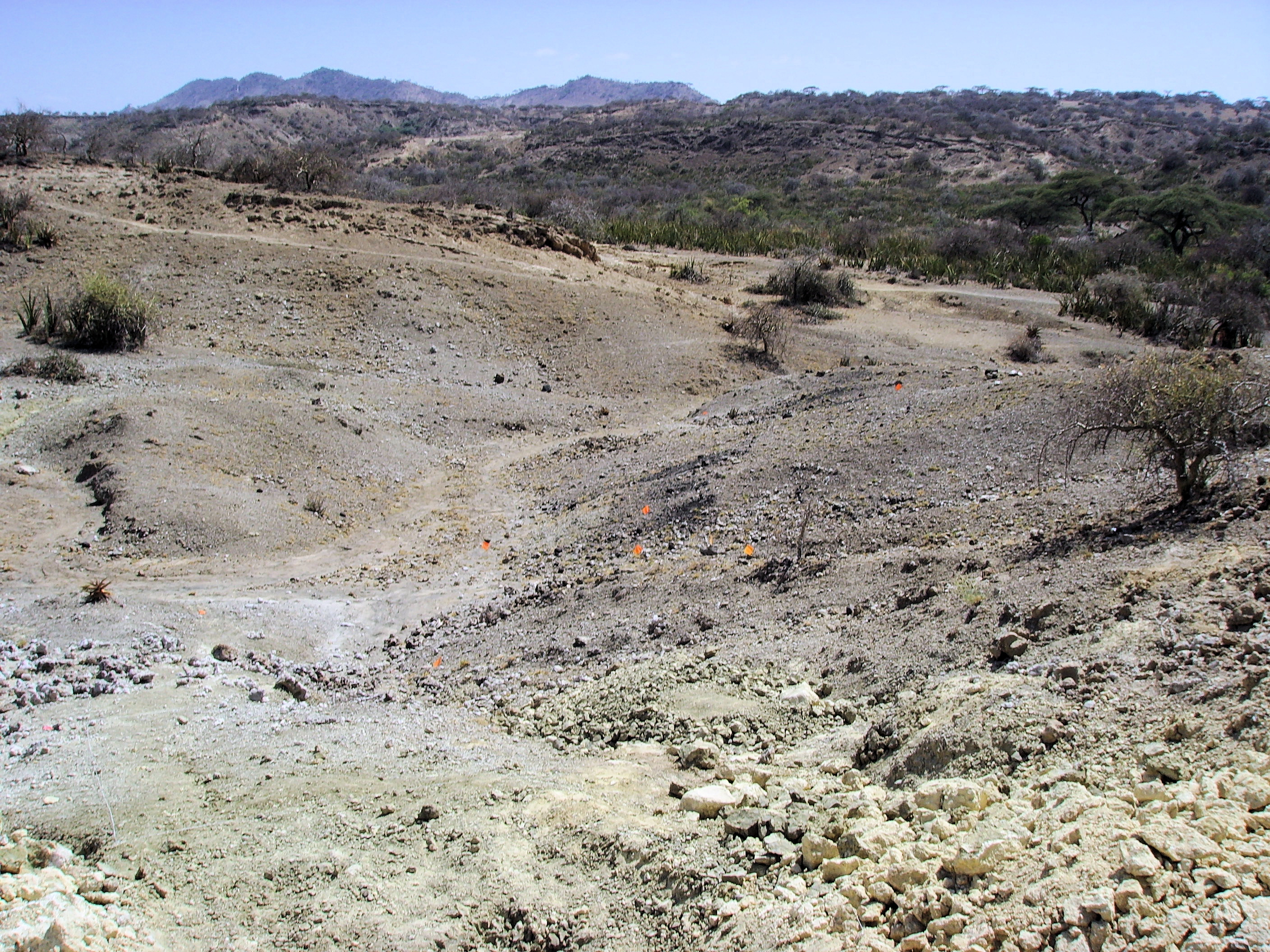
Homo erectus may have been a more successful human species than Homo sapiens due to its significantly longer survival period [1].
This perspective challenges the traditional view of human evolution by prioritizing longevity and adaptability over cognitive complexity. While modern humans possess larger brains and more advanced technology, the sheer duration of Homo erectus' existence suggests a highly resilient biological design.
Homo erectus existed for nearly two million years [1]. In contrast, Homo sapiens have only been around for about 300,000 years [1]. This gap indicates that the extinct species maintained a stable population and functional societal structure for millions of years longer than the current human species.
Despite having a brain about half the size of that of modern humans [1], Homo erectus demonstrated significant cognitive and technical abilities. The species spread across multiple continents, including Africa, Asia, and possibly Europe [1]. They also utilized tools and may have controlled fire, showing that high-level survival skills do not require the massive brain capacity seen in Homo sapiens [1].
"We're not the most successful human species," said MSN [2]. This statement reflects a shift in how anthropologists measure success, moving away from technological dominance and toward the ability to persist in diverse environments over geological time.
The ability of Homo erectus to migrate and adapt to various climates across the globe highlights an early mastery of environmental navigation. Their tools and potential use of fire provided the necessary edge to survive predators and harsh weather, all while lacking the neurological architecture of modern humans [1].
“"We're not the most successful human species"”
This comparison shifts the definition of evolutionary success from 'dominance' to 'persistence.' While Homo sapiens have achieved unprecedented global influence through rapid technological growth, Homo erectus proved that a smaller brain and simpler toolset could sustain a species for millions of years, suggesting that the traits required for long-term survival differ from those required for short-term global hegemony.

'%2F%3E%0A%20%20%20%20%3Crect%20width%3D'1600'%20height%3D'900'%20fill%3D'url(%23v)'%2F%3E%0A%20%20%20%20%3Cg%20opacity%3D'0.08'%20fill%3D'%23ffffff'%3E%0A%20%20%20%20%20%20%3Ccircle%20cx%3D'1420'%20cy%3D'180'%20r%3D'220'%2F%3E%0A%20%20%20%20%20%20%3Ccircle%20cx%3D'1500'%20cy%3D'760'%20r%3D'120'%2F%3E%0A%20%20%20%20%3C%2Fg%3E%0A%20%20%20%20%3Cline%20x1%3D'80'%20y1%3D'172'%20x2%3D'220'%20y2%3D'172'%20stroke%3D'%23ffffff'%20stroke-width%3D'3'%20stroke-opacity%3D'0.6'%2F%3E%0A%20%20%20%20%3Ctext%20x%3D'80'%20y%3D'140'%20font-family%3D'Inter%2C%20-apple-system%2C%20Helvetica%2C%20sans-serif'%20font-weight%3D'700'%20font-size%3D'28'%20fill%3D'%23ffffff'%20letter-spacing%3D'6'%3EHANNA%20%C2%B7%20NEWS%3C%2Ftext%3E%0A%20%20%20%20%3Ctext%20x%3D'80'%20y%3D'230'%20font-family%3D'Inter%2C%20-apple-system%2C%20Helvetica%2C%20sans-serif'%20font-weight%3D'600'%20font-size%3D'40'%20fill%3D'%23ffffffb3'%20letter-spacing%3D'4'%3ESCIENCE%3C%2Ftext%3E%0A%20%20%20%20%3Ctext%20x%3D'80'%20y%3D'622'%20font-family%3D'Playfair%20Display%2C%20Georgia%2C%20serif'%20font-weight%3D'800'%20font-size%3D'86'%20fill%3D'%23ffffff'%20letter-spacing%3D'-1'%3EProf.%20Alim-Louis%20Benabid%3C%2Ftext%3E%3Ctext%20x%3D'80'%20y%3D'721'%20font-family%3D'Playfair%20Display%2C%20Georgia%2C%20serif'%20font-weight%3D'800'%20font-size%3D'86'%20fill%3D'%23ffffff'%20letter-spacing%3D'-1'%3ERecounts%20Discovery%20of%20Deep%3C%2Ftext%3E%3Ctext%20x%3D'80'%20y%3D'820'%20font-family%3D'Playfair%20Display%2C%20Georgia%2C%20serif'%20font-weight%3D'800'%20font-size%3D'86'%20fill%3D'%23ffffff'%20letter-spacing%3D'-1'%3EBrain%20Stimulation%3C%2Ftext%3E%0A%20%20%20%20%3Ctext%20x%3D'80'%20y%3D'870'%20font-family%3D'Inter%2C%20-apple-system%2C%20Helvetica%2C%20sans-serif'%20font-weight%3D'500'%20font-size%3D'22'%20fill%3D'%23ffffff66'%20letter-spacing%3D'2'%3Enews.hanna-ai.com%3C%2Ftext%3E%0A%20%20%3C%2Fsvg%3E)