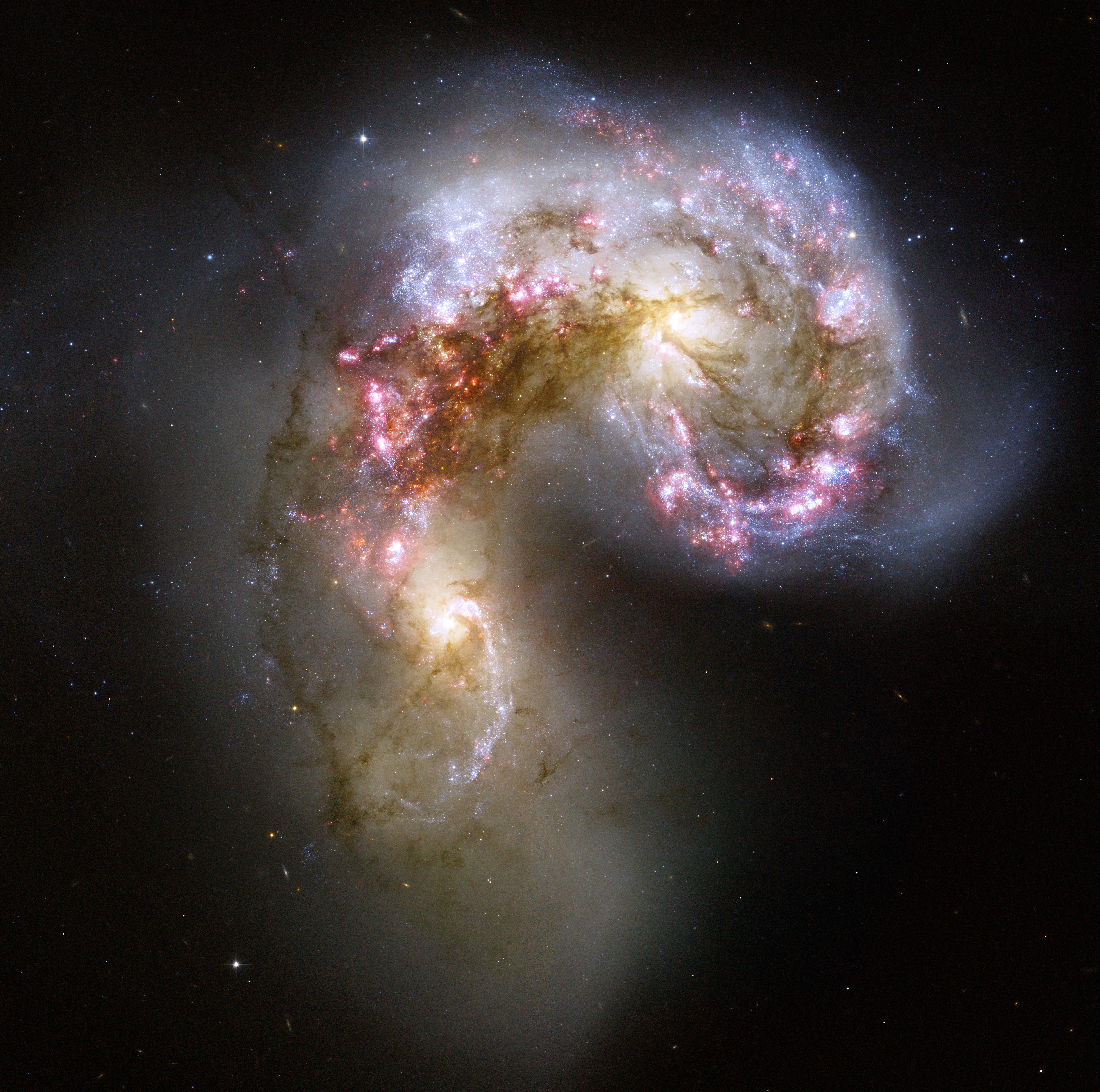
The NASA Hubble Space Telescope captured a new image of the active spiral galaxy Messier 88 as it moves toward the Virgo Cluster center.
This observation allows astronomers to track how the galaxy's trajectory affects its star formation and long-term evolution. By studying the interaction between the galaxy and the surrounding cluster, researchers can better understand the life cycles of massive cosmic structures.
Messier 88 is located approximately 63 million light-years away [1] within the Virgo Cluster. The imagery highlights the galaxy's spiral structure and its current state of activity as it traverses the void toward the cluster's dense core.
Scientists are using the data to analyze the impact of this journey on the galaxy's destiny. This process of moving toward the center is expected to reshape the galaxy over hundreds of millions of years [2].
The telescope's ability to resolve these distant structures provides a window into the gravitational forces at play within the Virgo Cluster. As Messier 88 continues its approach, the environmental pressures of the cluster center will likely alter its gas composition and star-birthing capabilities.
NASA officials said the mission aims to provide a clearer picture of how galaxies evolve when they are drawn into larger clusters. The data collected from M88 serves as a case study for other spiral galaxies experiencing similar gravitational pulls across the universe.
“Messier 88 is located approximately 63 million light-years away”
The movement of Messier 88 toward the center of the Virgo Cluster illustrates the dynamic nature of galactic evolution. As galaxies enter denser regions of a cluster, they often undergo 'ram-pressure stripping,' where interstellar gas is removed, potentially quenching star formation. This specific observation helps astronomers calibrate models of how galactic environments dictate the transition from active, star-forming spirals to quiescent systems.