
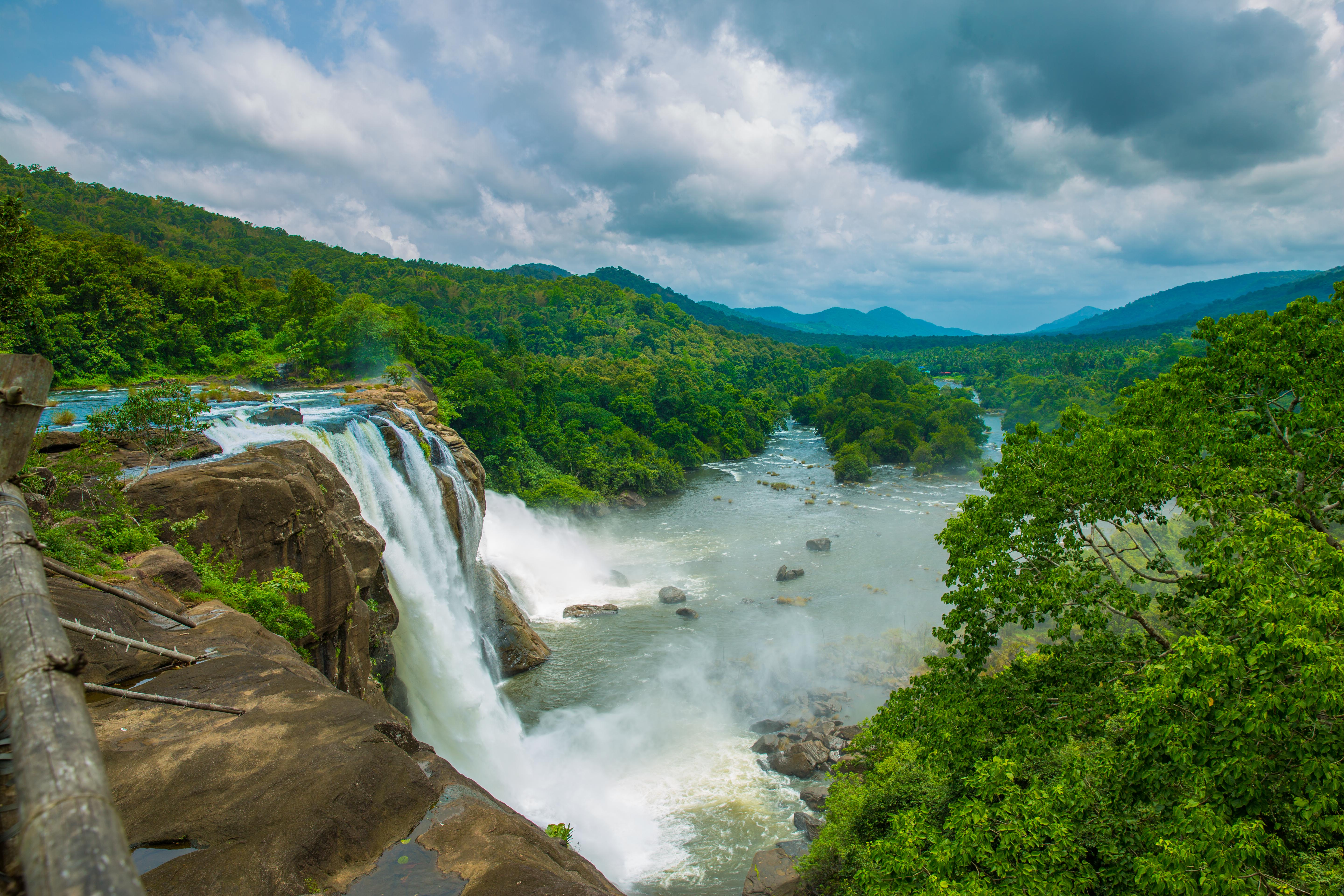
The India Meteorological Department expects the southwest monsoon to set in over Kerala around June 4 [2], marking the official start of the rainy season.
This onset arrives amid a stark warning for the 2026 season. Because the monsoon is the primary driver of India's agriculture and water security, a forecast of deficient rain threatens crop yields and rural livelihoods across the country.
The India Meteorological Department said there is a 60% probability of deficient rainfall and drought for the 2026 monsoon season [1]. This projection is linked to El Niño conditions, which typically suppress rainfall across the Indian subcontinent.
Agricultural sectors face a double burden this year. The prospect of reduced rainfall coincides with high input costs, which may strain farmers who rely on consistent precipitation to maintain productivity [1].
While the monsoon is inching closer to the mainland, the long-term outlook remains cautious. The transition from the official onset in Kerala to a nationwide rainy season is often volatile, especially when atmospheric conditions suggest a significant deficit.
Water resource managers and policymakers are now monitoring the progression of the rains. The 60% chance of deficiency [1] suggests that water conservation and drought-mitigation strategies will be critical throughout the year to prevent a widespread humanitarian or economic crisis.
“India faces a 60% probability of deficient rainfall and drought for the 2026 monsoon season.”
The combination of El Niño-induced drought and high agricultural costs creates a high-risk environment for India's food security. If the 60% probability of deficient rain manifests, the government may need to implement emergency irrigation measures or import staples to offset crop failures, potentially impacting global food prices.


