India's Ministry of External Affairs summoned Ukraine's Ambassador Oleksandr Polishchuk on Monday after an Indian seafarer was killed in the Black Sea [1, 2].
The diplomatic move highlights India's growing concern over the safety of its maritime workers amid the ongoing Russia-Ukraine conflict. As a major provider of crew for global shipping, India is increasingly sensitive to the risks posed to its citizens in conflict zones.
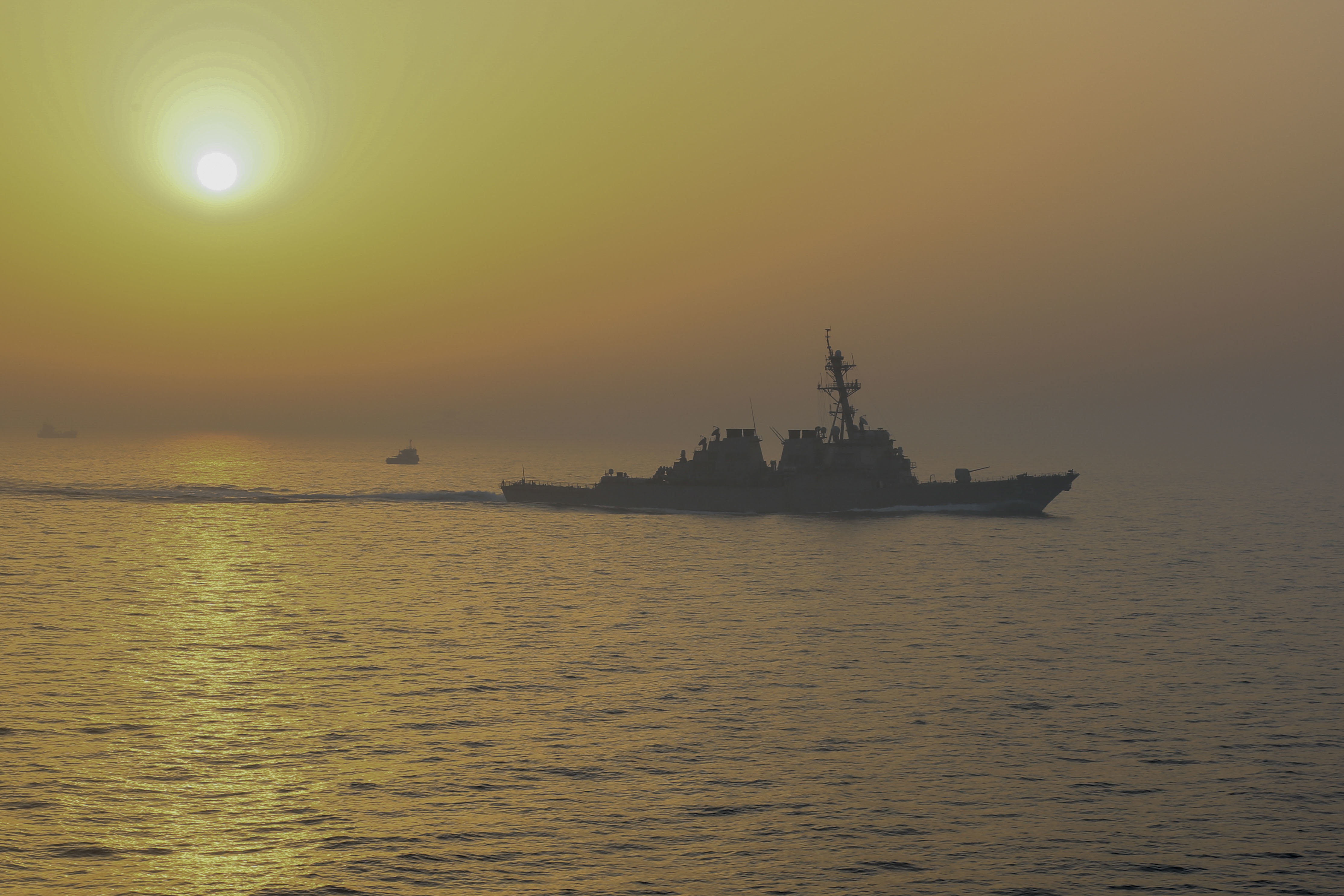
The incident occurred last week when an attack targeted the MV Omorfi [3]. The merchant vessel is flagged to the Marshall Islands [3]. According to reports, the attack took place in the Black Sea near Russian waters [3, 4].
One Indian seafarer died as a result of the strike [1]. The Indian government lodged a strong protest during the meeting with Ambassador Polishchuk, and said strikes on commercial ships are unacceptable [4].
Indian officials said the attack was a direct threat to maritime safety and the freedom of navigation [1, 5]. The ministry said such incidents jeopardize global trade, and the security of civilian crews operating in volatile regions [5, 6].
This summoning marks a firm diplomatic response from New Delhi. The ministry said the protection of its nationals at sea is a priority, regardless of the geopolitical tensions between the warring parties [6].
“India's Ministry of External Affairs summoned Ukraine's Ambassador Oleksandr Polishchuk on Monday.”
This diplomatic escalation reflects India's struggle to maintain a neutral stance in the Russia-Ukraine war while protecting its strategic economic interests. By summoning the Ukrainian envoy, New Delhi is signaling that the safety of its global workforce outweighs diplomatic niceties, pressuring both combatants to respect the neutrality of commercial shipping lanes to avoid further international friction.