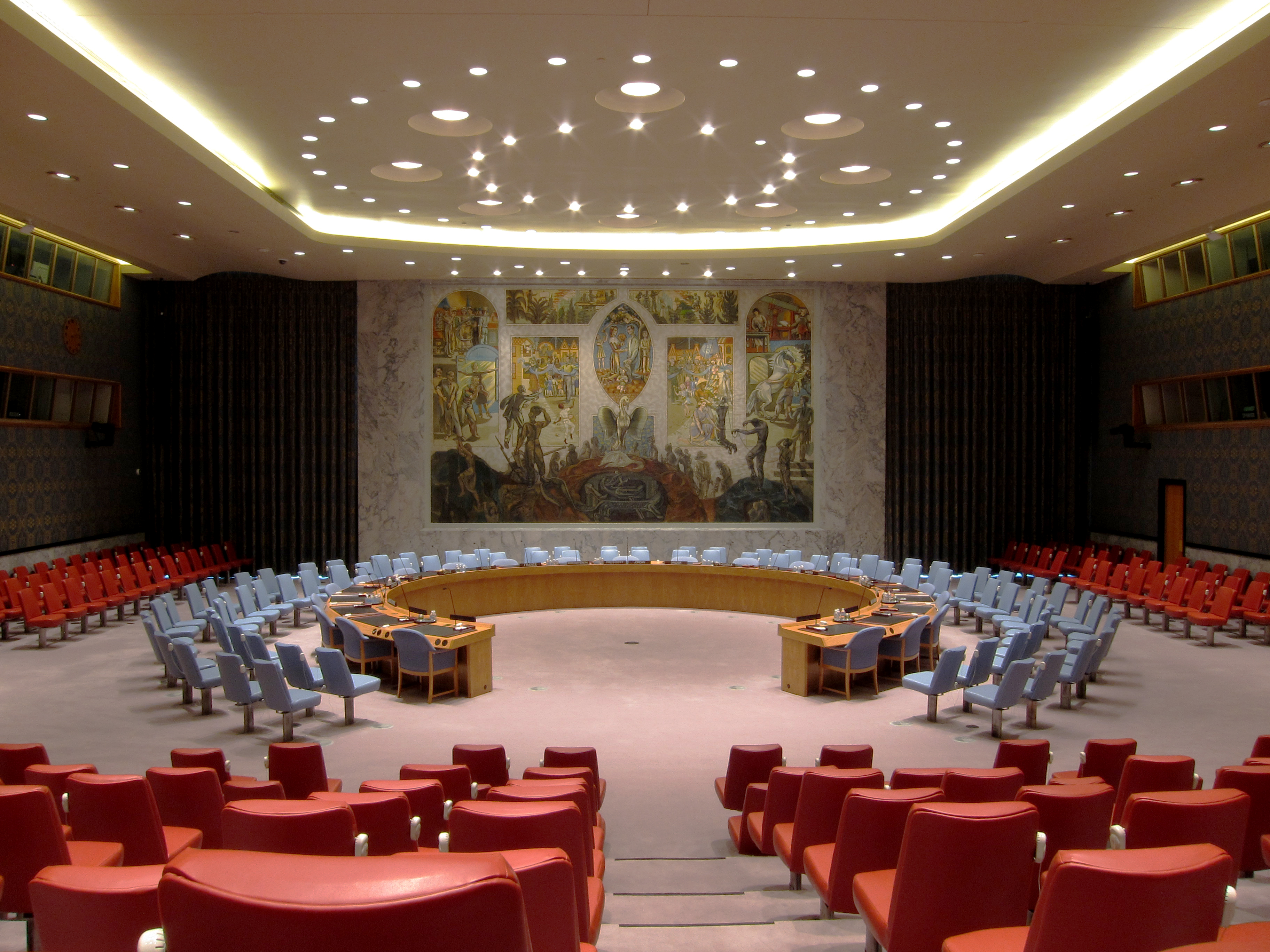
India launched its campaign for a non-permanent seat on the United Nations Security Council for the 2028-29 term [1] on Tuesday.
The bid represents a strategic effort by New Delhi to increase its influence over global security decisions during a period of heightened international instability. By seeking a seat on the council, India aims to align its diplomatic weight with its role as a major global economy and security provider.
External Affairs Minister Dr. S. Jaishankar announced the campaign at the United Nations headquarters in New York [1]. During the launch, Jaishankar unveiled the 'SHANTI' vision, a framework designed to promote peace and a rules-based global order [2].
The initiative focuses on showcasing India's historical and ongoing contributions to international peacekeeping, and development partnerships [1]. New Delhi is positioning itself as a stabilizing force capable of navigating conflicts through diplomacy and cooperation [2].
This campaign for the 2028-29 term [1] comes as the international community faces rising global conflicts. The 'SHANTI' vision is intended to serve as a roadmap for how India would operate within the council to address these systemic instabilities [2].
Jaishankar said the vision emphasizes a commitment to a rules-based order. The diplomatic push underscores India's desire to move beyond its current role and take a more formal leadership position in the UN's primary organ for maintaining international peace and security [1].
“India launched its campaign for a non-permanent seat on the United Nations Security Council for the 2028-29 term.”
India's pursuit of a non-permanent seat is a stepping stone toward its long-term goal of permanent membership on the UNSC. By introducing the 'SHANTI' vision, New Delhi is attempting to brand itself not just as a regional power, but as a global mediator capable of bridging the gap between the Global South and Western powers in an increasingly polarized geopolitical landscape.