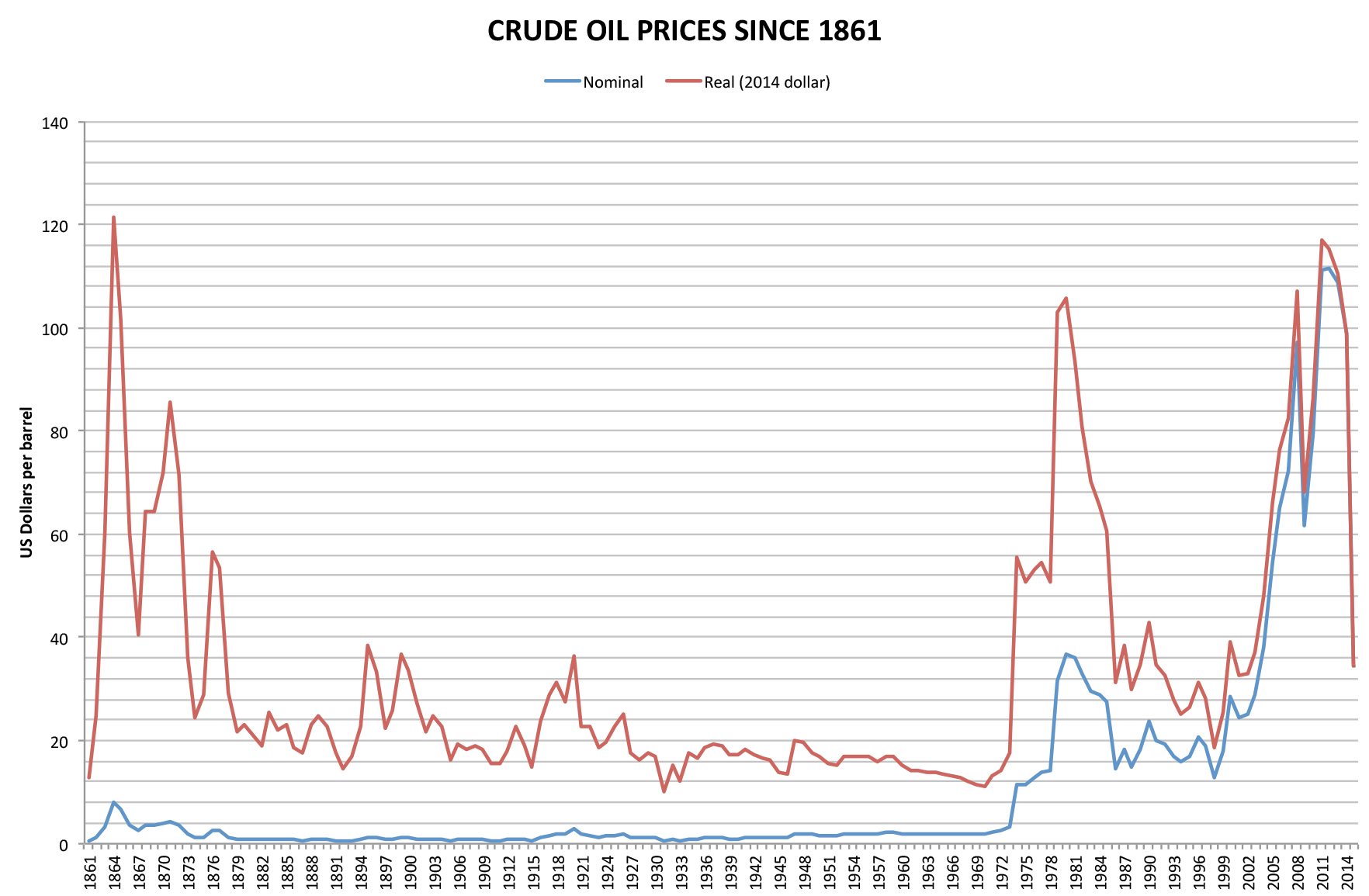
Indian stock indices showed divergent movements on June 24, 2024, as oil prices fell following a reported US-Iran peace deal [2, 3].
These fluctuations matter because India is a major oil importer, making its domestic market sentiment highly sensitive to global energy price shifts and geopolitical stability in the Middle East.
The Sensex jumped approximately 900 points [2]. This surge coincided with a drop in global energy costs, as Brent crude prices fell below $79 a barrel [3]. Market analysts said this upward movement was tied to the reported peace agreement between the U.S. and Iran, which reduced the risk premium on crude oil [2, 3].
Other indicators provided a more muted outlook. The Gift Nifty was reported at 23,874 by CNBC TV18, suggesting a flatter start for the indices [1]. However, other data indicated the Gift Nifty pre-open level was 24,091.50 [3]. This figure was slightly higher than the previous Wednesday close of 24,085.70 [3].
The discrepancy between the muted Gift Nifty reports and the Sensex surge highlights the volatility of the trading session. While some indicators suggested a cautious opening, the broader market responded positively to the easing of geopolitical tensions, a primary driver for Indian equities in the current climate [1, 2].
Investors monitored the Brent crude slide closely, as lower energy costs typically reduce inflationary pressure and improve corporate profit margins for Indian firms [3]. The shift in oil pricing acted as a catalyst for the Sensex rally even as pre-market indicators remained mixed [2, 3].
“Sensex jumped approximately 900 points”
The divergence between the Gift Nifty's muted start and the Sensex's sharp climb illustrates how rapidly geopolitical news can override technical pre-market indicators. Because India relies heavily on imported oil, a US-Iran peace deal serves as a dual catalyst: it lowers the direct cost of energy and improves the overall macroeconomic outlook, which often triggers immediate bullish activity in the Sensex.