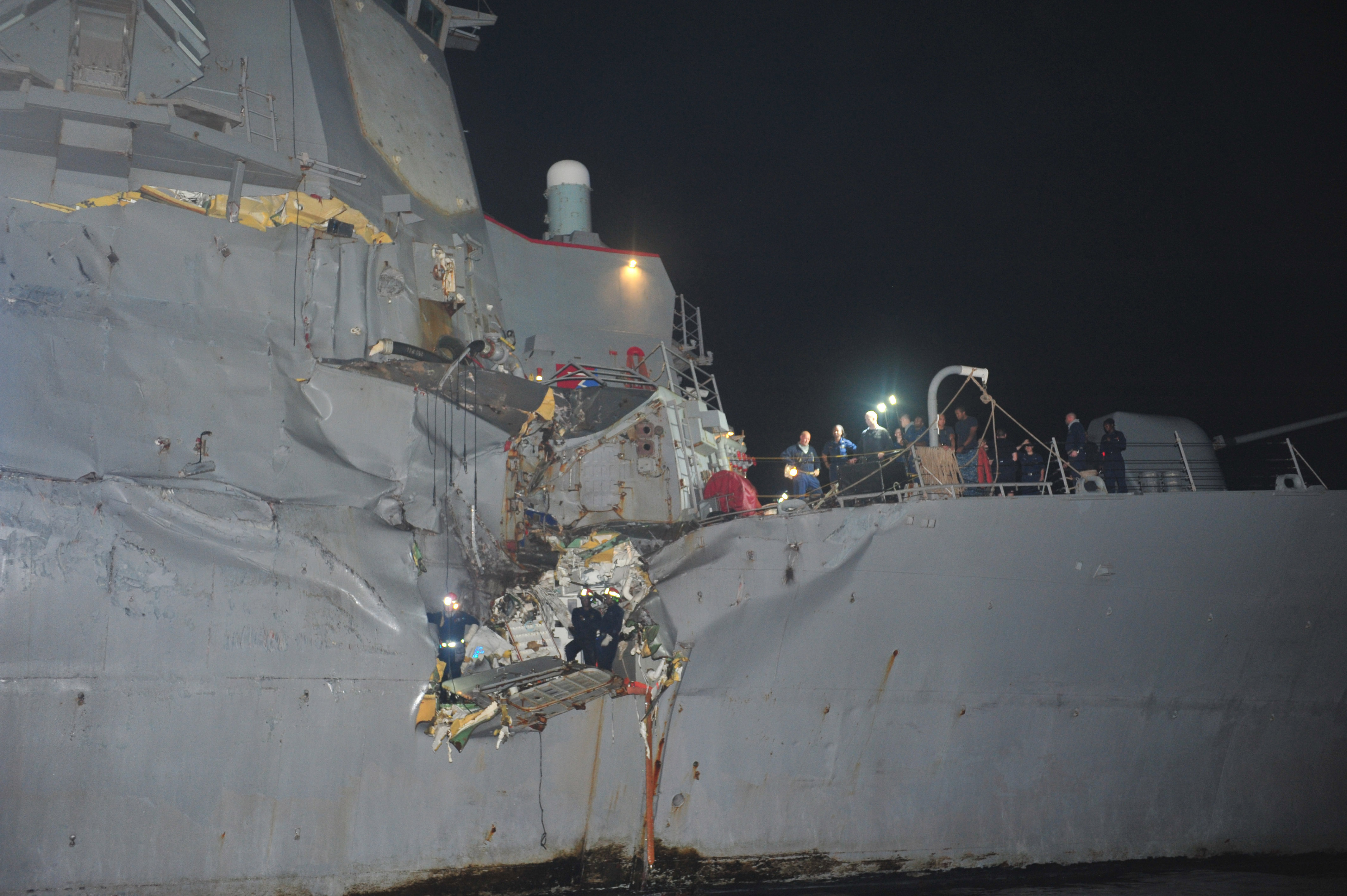
The Iranian navy warned ships in the Strait of Hormuz to coordinate with its authorities on Monday [1].
The standoff occurs as the U.S. launches an operation to assist vessels stranded by the ongoing conflict between Iran and Israel. Because the Strait of Hormuz is a narrow waterway between Iran and Oman, any disruption to maritime traffic threatens global energy security and shipping stability.
President Donald Trump (R-WY) announced that a U.S.-led task force has begun guiding ships through the waterway [2]. The operation targets vessels not involved in the regional war to ensure they can exit the area safely [2].
"We will guide ships not involved in the war out of the Strait of Hormuz," Trump said [2].
Iran responded by stating that coordination with its authorities is required to protect its national security and sovereignty [1]. Iranian officials said the U.S. Navy should stay clear of the Strait, creating a contradiction in operational goals between the two nations [1, 2].
Reports on the current traffic in the waterway vary. Some data indicates that only two merchant ships have successfully crossed the Strait [3]. Other reports suggest that both military and merchant vessels have passed through the area [4].
The U.S. maintains that its efforts are humanitarian and logistical in nature, aimed at freeing ships caught in the crossfire of the Iran-Israel conflict [2]. Iran continues to assert that any foreign naval presence without its consent violates its territorial interests [1].
“"We will guide ships not involved in the war out of the Strait of Hormuz,"”
The competing claims over the Strait of Hormuz highlight a dangerous escalation in the Iran-Israel conflict. By asserting control over the waterway, Iran is using its geographical advantage to challenge U.S. naval presence, while the U.S. is attempting to maintain the flow of international commerce. The discrepancy in reported ship movements suggests a highly volatile environment where maritime transparency is limited.


