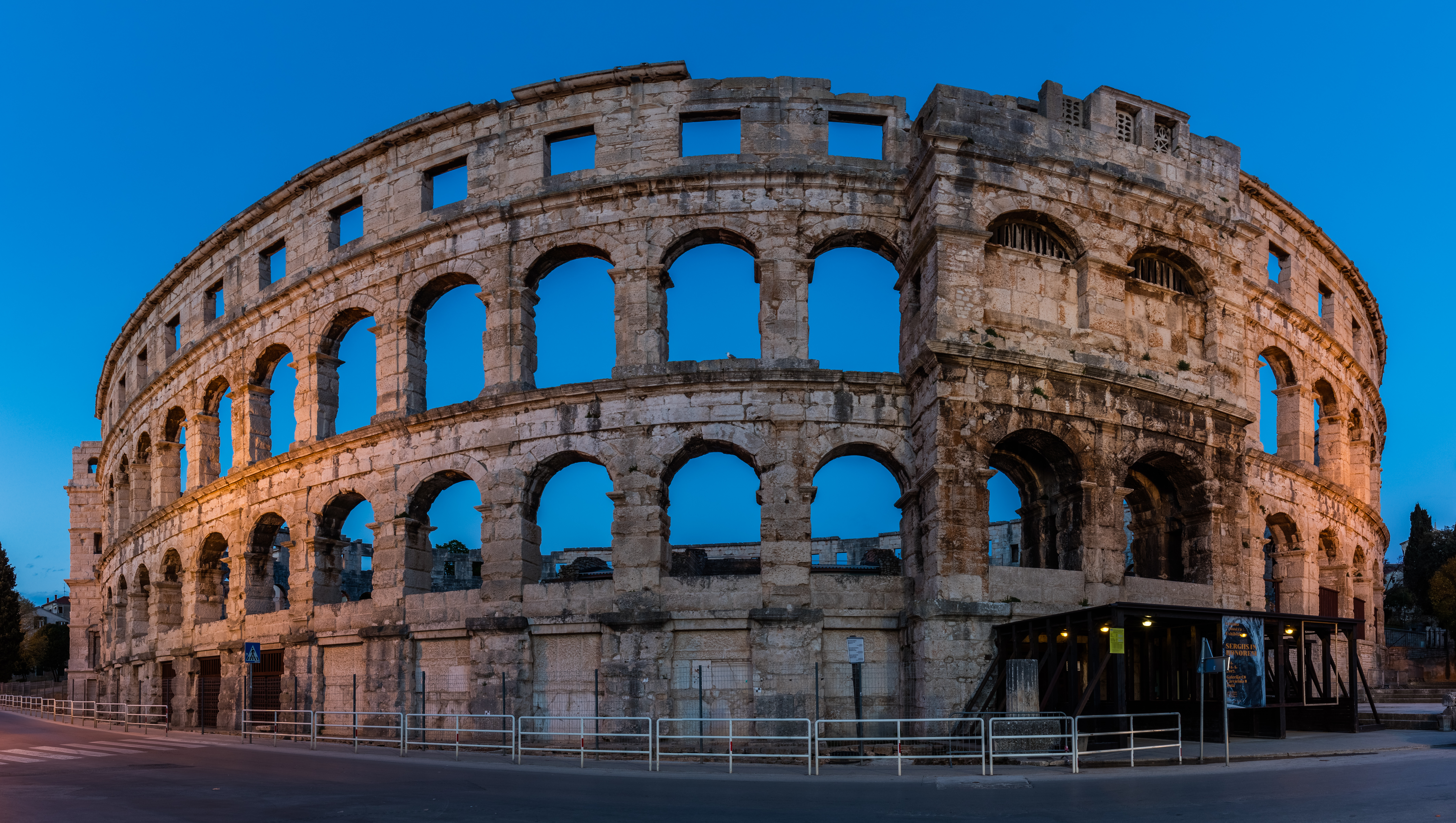
Archaeologists have uncovered three forgotten civilizations on the Istrian peninsula that existed before the region was conquered by the Roman Empire [1].
These findings reshape the understanding of the Adriatic's prehistoric landscape and the complex networks of trade and power that existed before Roman hegemony. The discoveries highlight the region's role as a critical juncture for ancient peoples moving across Europe.
Research indicates that the Istrian peninsula was a key crossing point for the prehistoric Amber Road [1]. This ancient trade route connected the Baltic coast to the Mediterranean, facilitating the exchange of goods and cultural influence long before the rise of classical empires.
The peaceful era of these three civilizations ended with a massive show of force from Rome. In 229 BC, the Roman Empire launched a military expedition to secure the region [2]. This campaign involved a fleet of 200 ships [2] and a force of more than 20,000 legionnaires [2].
This overwhelming military presence allowed Rome to establish dominance over the Adriatic coast, effectively erasing the political autonomy of the indigenous Istrian cultures. The scale of the expedition underscores the strategic importance Rome placed on controlling the maritime routes of the Adriatic [2].
The findings were detailed in a documentary series exploring the hidden secrets of the Adriatic [1]. The production remains available for viewing until Oct. 31, 2026 [3].
“Archaeologists have uncovered three forgotten civilizations on the Istrian peninsula”
The identification of three distinct prehistoric civilizations and the documentation of a massive Roman fleet in 229 BC provide a clearer timeline of the Adriatic's transition from a trade-centric prehistoric hub to a Roman province. The sheer size of the Roman force suggests that Istria was not merely a peripheral territory but a strategic necessity for Rome's expansion and maritime security.
'%2F%3E%0A%20%20%20%20%3Crect%20width%3D'1600'%20height%3D'900'%20fill%3D'url(%23v)'%2F%3E%0A%20%20%20%20%3Cg%20opacity%3D'0.08'%20fill%3D'%23ffffff'%3E%0A%20%20%20%20%20%20%3Ccircle%20cx%3D'1420'%20cy%3D'180'%20r%3D'220'%2F%3E%0A%20%20%20%20%20%20%3Ccircle%20cx%3D'1500'%20cy%3D'760'%20r%3D'120'%2F%3E%0A%20%20%20%20%3C%2Fg%3E%0A%20%20%20%20%3Cline%20x1%3D'80'%20y1%3D'172'%20x2%3D'220'%20y2%3D'172'%20stroke%3D'%23ffffff'%20stroke-width%3D'3'%20stroke-opacity%3D'0.6'%2F%3E%0A%20%20%20%20%3Ctext%20x%3D'80'%20y%3D'140'%20font-family%3D'Inter%2C%20-apple-system%2C%20Helvetica%2C%20sans-serif'%20font-weight%3D'700'%20font-size%3D'28'%20fill%3D'%23ffffff'%20letter-spacing%3D'6'%3EHANNA%20%C2%B7%20NEWS%3C%2Ftext%3E%0A%20%20%20%20%3Ctext%20x%3D'80'%20y%3D'230'%20font-family%3D'Inter%2C%20-apple-system%2C%20Helvetica%2C%20sans-serif'%20font-weight%3D'600'%20font-size%3D'40'%20fill%3D'%23ffffffb3'%20letter-spacing%3D'4'%3ECULTURE%3C%2Ftext%3E%0A%20%20%20%20%3Ctext%20x%3D'80'%20y%3D'622'%20font-family%3D'Playfair%20Display%2C%20Georgia%2C%20serif'%20font-weight%3D'800'%20font-size%3D'86'%20fill%3D'%23ffffff'%20letter-spacing%3D'-1'%3ET-Series%20Releases%20Lyrical%3C%2Ftext%3E%3Ctext%20x%3D'80'%20y%3D'721'%20font-family%3D'Playfair%20Display%2C%20Georgia%2C%20serif'%20font-weight%3D'800'%20font-size%3D'86'%20fill%3D'%23ffffff'%20letter-spacing%3D'-1'%3EVideo%20for%20%26quot%3BYe%20Kutumb%3C%2Ftext%3E%3Ctext%20x%3D'80'%20y%3D'820'%20font-family%3D'Playfair%20Display%2C%20Georgia%2C%20serif'%20font-weight%3D'800'%20font-size%3D'86'%20fill%3D'%23ffffff'%20letter-spacing%3D'-1'%3E(Sad%20Version)%26quot%3B%3C%2Ftext%3E%0A%20%20%20%20%3Ctext%20x%3D'80'%20y%3D'870'%20font-family%3D'Inter%2C%20-apple-system%2C%20Helvetica%2C%20sans-serif'%20font-weight%3D'500'%20font-size%3D'22'%20fill%3D'%23ffffff66'%20letter-spacing%3D'2'%3Enews.hanna-ai.com%3C%2Ftext%3E%0A%20%20%3C%2Fsvg%3E)