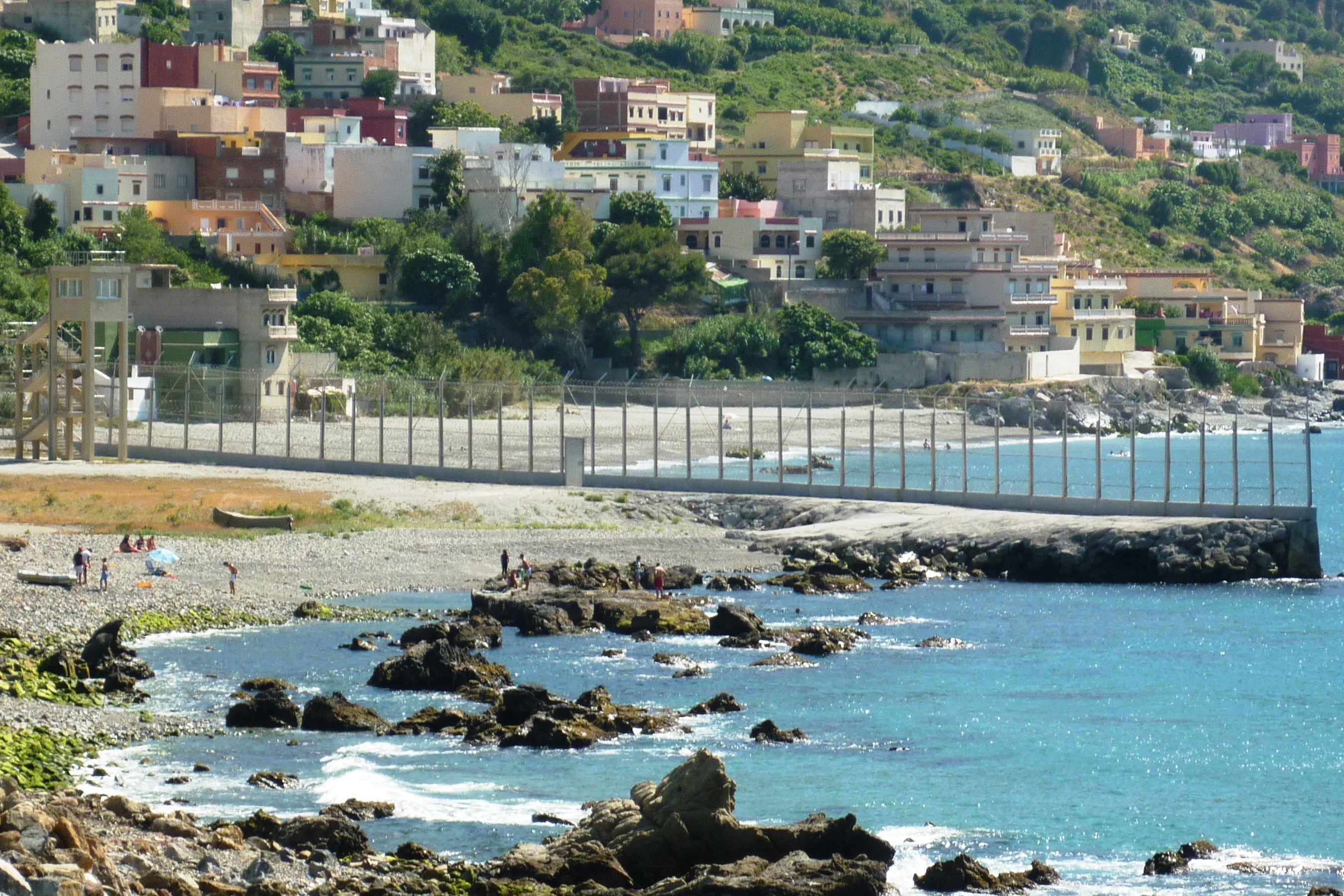
Italy suspended the Schengen free-movement agreement with Spain on Friday, reinstating passport checks for travelers between the two nations [1], [2].
This move signals a significant breakdown in the European Union's open-border policy. By pausing the agreement, Italy is attempting to curb the movement of people across its borders during a period of regional instability.
The decision was announced July 31, 2026 [2]. Prime Minister Giorgia Meloni’s cabinet and Interior Minister Matteo Piantedosi directed the measure in response to a migration crisis in Ceuta [1], [3]. Ceuta is a Spanish enclave located in North Africa.
According to the Italian government, a massive influx of migrants from Morocco into Ceuta triggered the emergency response [1], [3]. The suspension of the free-movement agreement will last for at least one month [3].
Passport controls are now active for those traveling between Italy and Spain [1], [3]. This means that travelers who previously moved without documentation checks must now present valid passports to cross the border.
The crisis in Ceuta has created ripple effects across Southern Europe [4]. While the current measures are bilateral, the situation reflects broader tensions regarding the management of migration corridors into the European Union.
Italian officials said the measures are necessary to manage the security risks associated with the surge of arrivals in North Africa [1], [3].
“Italy suspended the Schengen free-movement agreement with Spain on Friday.”
The suspension of the Schengen agreement between two major EU members highlights the fragility of the borderless zone during humanitarian crises. By reinstating checks, Italy is prioritizing national security and migration control over the EU's principle of free movement, potentially setting a precedent for other member states to either unilaterally close borders or demand stricter external border controls when regional pressures mount.