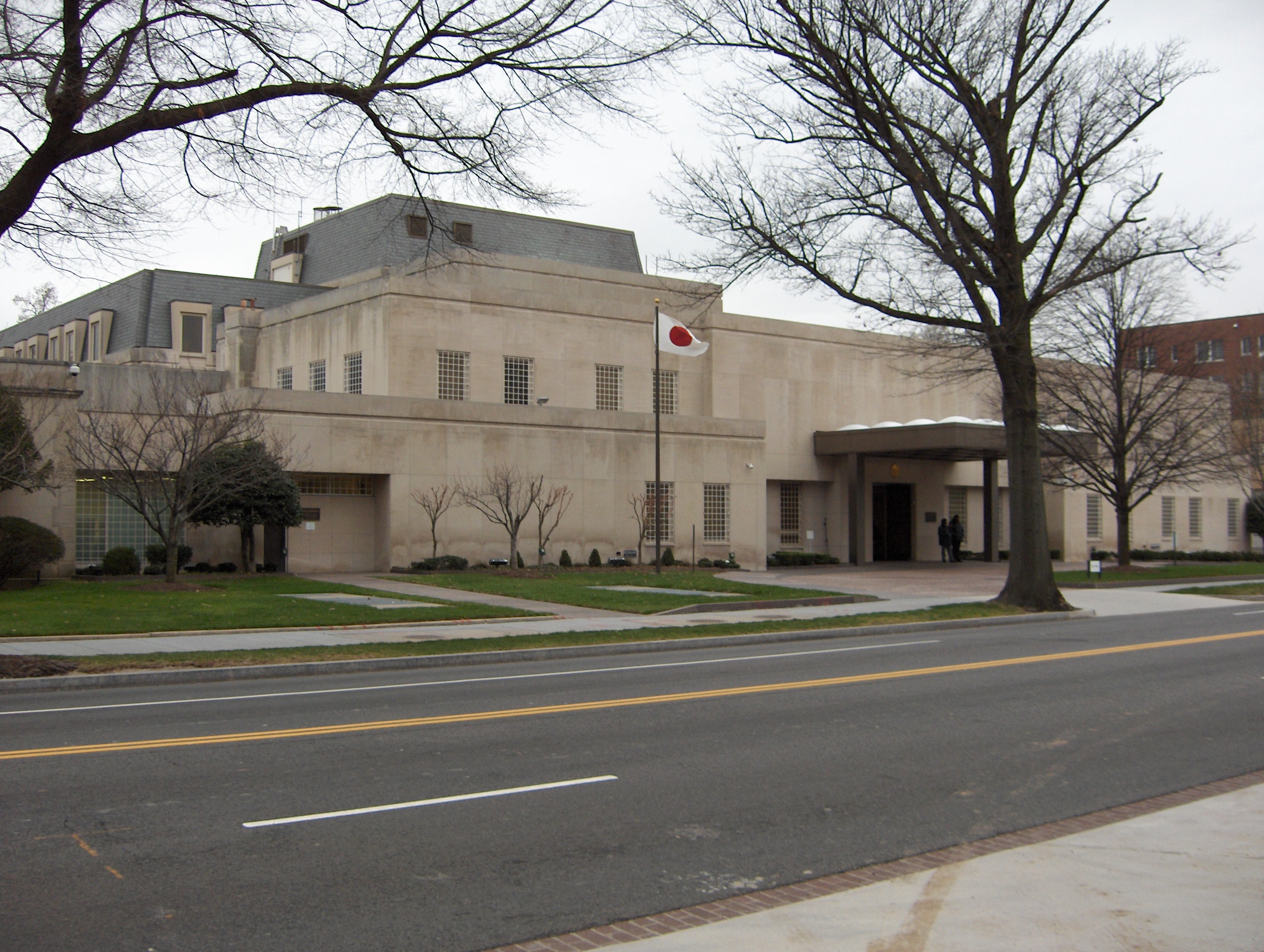
The World of Travel series recently provided a guided tour of the traditional tea house located inside the Japanese Embassy in Washington, D.C. [1].
The segment highlights the diplomatic use of cultural spaces to foster international relations. By showcasing the tea house, the embassy shares the history and significance of Japanese traditions with a global travel audience [2].
Masatsugu Odaira, the Minister of Public Affairs of the Japanese Embassy, led the tour. He was accompanied by hosts Lindsey and Kolyn, who explored the interior of the tea house [1]. The presentation focuses on the architectural and spiritual purpose of the space, emphasizing how such structures serve as a bridge between the two nations [2].
Traditional tea houses are designed to provide a sanctuary of peace and mindfulness. Within the embassy grounds, this specific room allows officials and guests to engage in the ritual of tea, which is central to Japanese hospitality, and social etiquette [1].
Odaira said the room has cultural significance during the episode. The tour illustrates the embassy's commitment to maintaining authentic Japanese heritage while operating in the U.S. capital [1]. The segment serves as a cultural exchange, bringing the aesthetics of Japanese architecture to viewers who cannot visit the site in person [2].
“The embassy shares the history and significance of Japanese traditions with a global travel audience.”
The use of a traditional tea house within a diplomatic mission serves as a form of 'soft power.' By integrating cultural heritage into the physical space of the embassy, Japan uses architectural and social rituals to build goodwill and a deeper understanding of its national identity among U.S. officials and the public.