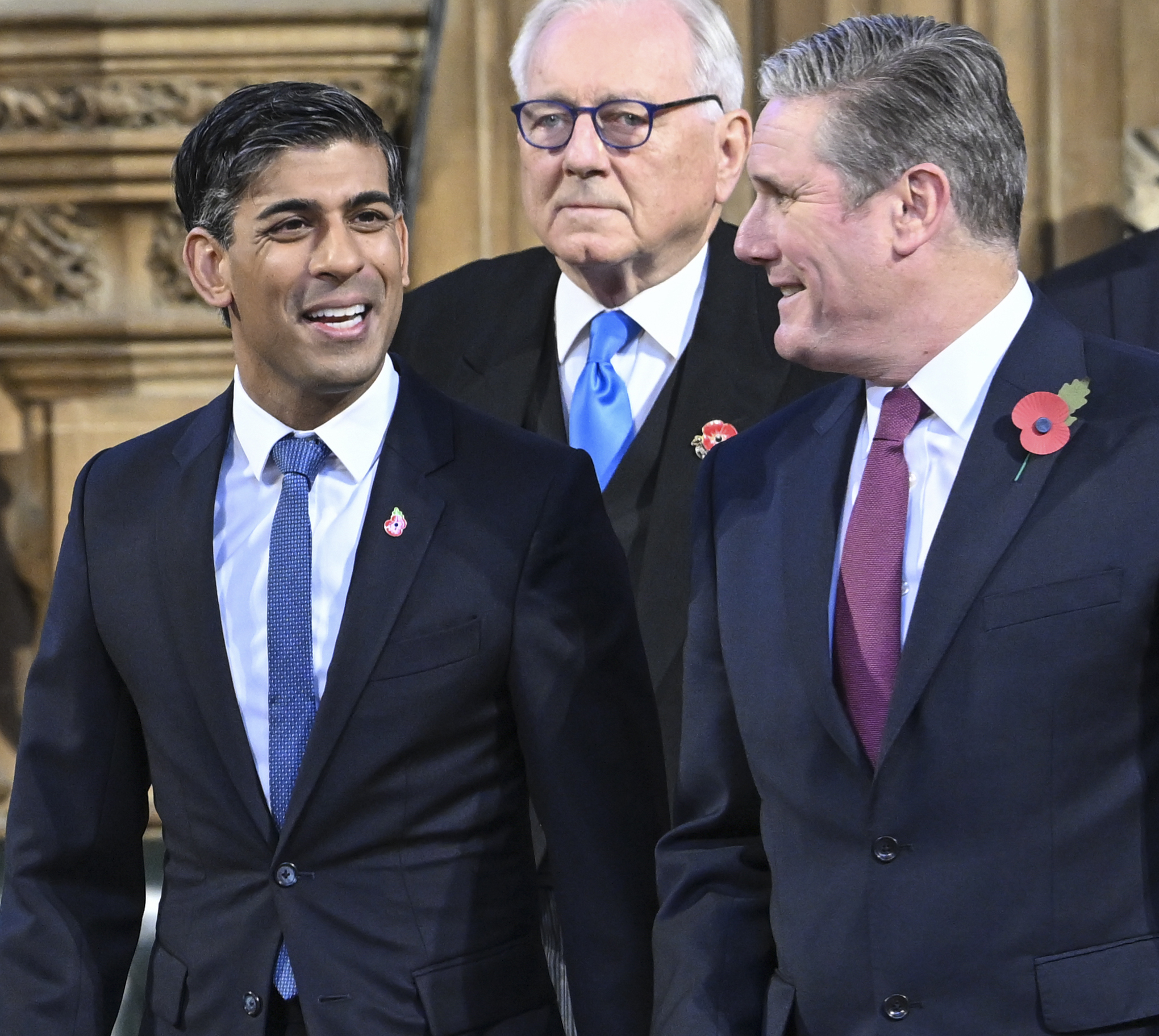
UK Prime Minister Keir Starmer is speaking publicly as speculation grows that he will resign from his position [1].
A leadership change would signal a period of significant instability for the British government, as the country would acquire its seventh leader in 10 years [2].
Political pressure has mounted against Starmer due to criticism regarding energy and immigration policies [3]. This instability is further compounded by a potential leadership challenge from within his own party, specifically from Labour rival Andy Burnham [3].
External pressure intensified on June 21, 2026 [4], when Donald Trump said that Starmer would resign. Trump said Starmer "failed badly on two very important subjects—IMMIGRATION AND ENERGY (OPEN NORTH SEA OIL!)."
While some reports suggest an imminent exit, others indicate a more deliberative process. Business Secretary Peter Kyle said Starmer was taking time to "try and reflect on the political challenges that he faces" [5].
Despite the lack of a formal confirmation, reports from a Reuters live feed on June 22, 2026 [2], indicate that Starmer is expected to set out a timetable for his departure on Monday, June 24.
Starmer has not yet officially confirmed his resignation. The current atmosphere in Westminster reflects a tension between those expecting a swift exit and those suggesting the Prime Minister is still weighing his options [2, 5].
“Britain would acquire its seventh leader in a decade”
The potential resignation of Keir Starmer highlights a volatile era of British governance characterized by rapid leadership turnover. If Starmer departs, the focus will shift to whether Andy Burnham can consolidate power within the Labour Party or if the government's struggles with energy and immigration will lead to broader policy shifts before a new leader is seated.