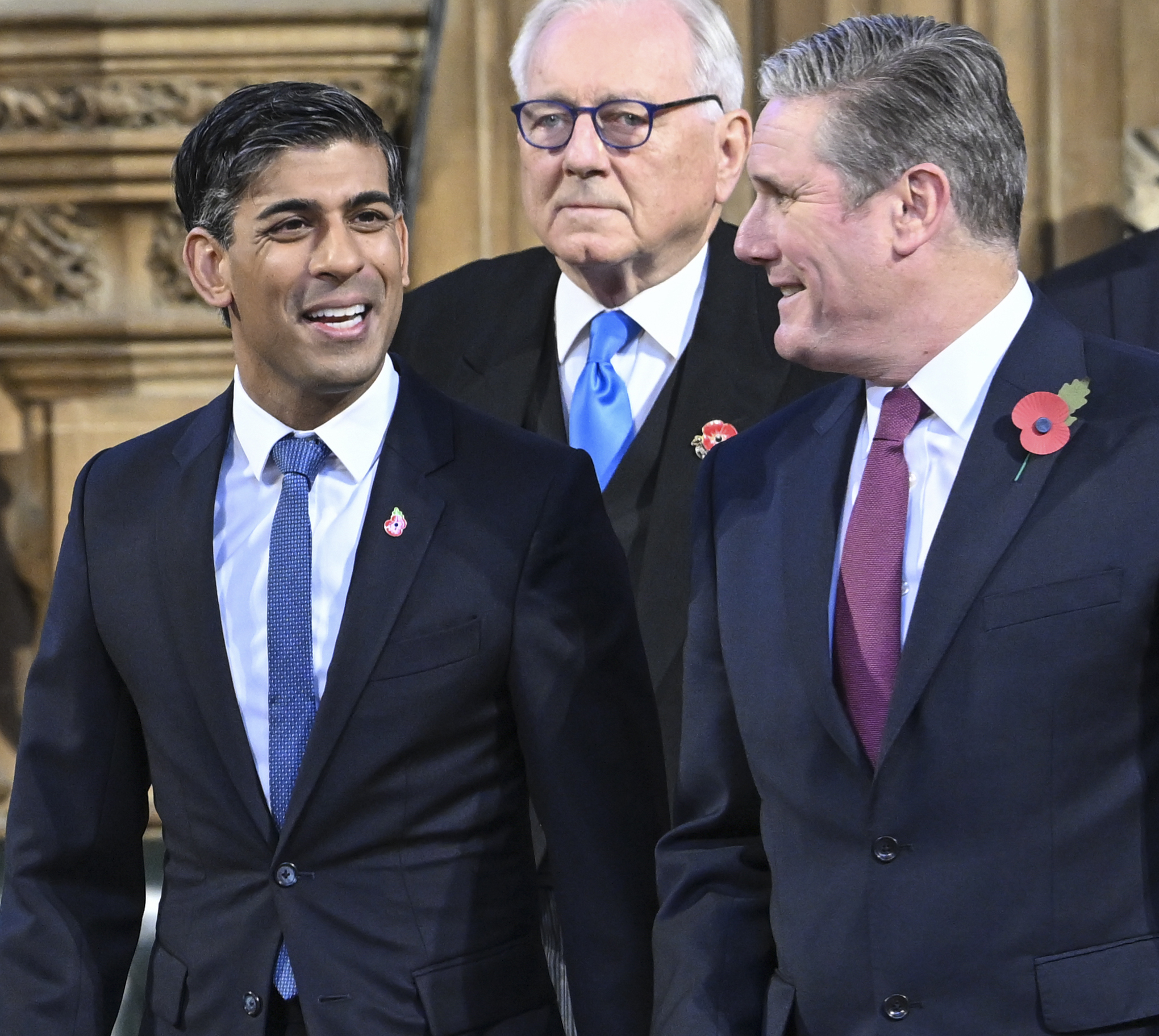
British Prime Minister Keir Starmer announced his resignation as the leader of the Labour Party and the head of the UK government on Monday.
The departure marks a significant shift in British governance, as the country faces a new leadership contest amid ongoing political instability. Starmer's exit follows months of turmoil and intense pressure from within his own party and from political rivals.
Starmer stepped down from 10 Downing Street early Monday, June 22, 2026. The move comes as internal opposition grew, with Andy Burnham cited as a notable figure exerting pressure on the prime minister's position.
This transition adds to a period of rapid turnover in the UK's executive office. The resignation clears the path for the country's seventh leader in a decade [1].
The Labour Party must now navigate the process of selecting a new leader to take over the premiership. While the party seeks stability, the influence of rivals like Burnham suggests a potential shift in the party's ideological, or strategic direction.
Starmer's tenure was marked by efforts to stabilize the government, but the persistent internal friction eventually made his position untenable. The vacancy at 10 Downing Street creates an immediate need for a successor to manage the government's current legislative agenda and international relations.
“Keir Starmer announced his resignation as the leader of the Labour Party and the head of the UK government.”
The resignation of Keir Starmer underscores a continuing trend of leadership volatility in the United Kingdom. By becoming the seventh leader in 10 years, the UK government faces a recurring challenge in establishing long-term policy consistency. The role of Andy Burnham in this transition suggests that the internal power struggle within the Labour Party may shift the government's focus toward different priorities as a new leader is selected.