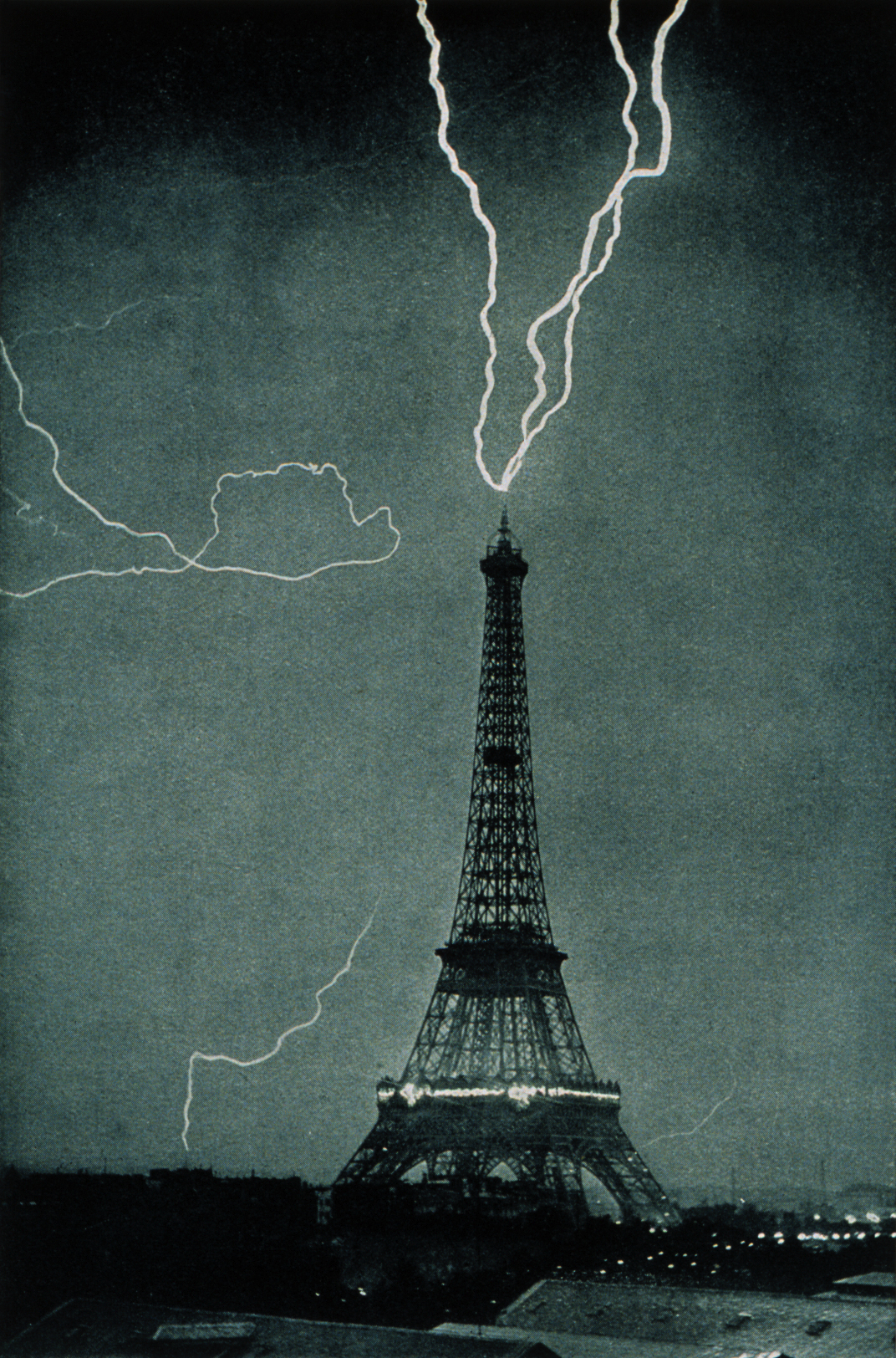
Lightning struck the Eiffel Tower on Saturday evening as a thunderstorm moved across Paris [1].
The incident highlights the volatile weather patterns currently affecting France, where severe storms are following a period of extreme heat. Such events pose risks to urban infrastructure and public safety in one of the world's most visited cities.
The strike occurred as a thunderstorm raged over the capital [1]. Reports said the storm was associated with a broader heatwave that has impacted the region [1]. The Eiffel Tower, due to its height and metallic composition, often acts as a lightning rod during such weather events.
The severity of the current weather cycle in France has already resulted in significant casualties. More than 1,200 deaths were reported on Wednesday during the heat wave [4]. This surge in mortality underscores the lethal nature of the temperature spikes preceding the thunderstorms.
Local authorities and weather services have been monitoring the transition from the heatwave to the storm activity. The rapid shift in atmospheric conditions often leads to the kind of electrical storms that produced the strike on the monument [1]. No injuries or structural damage to the tower were reported in the immediate aftermath of the strike [1].
“Lightning struck the Eiffel Tower on Saturday evening as a thunderstorm moved across Paris.”
The juxtaposition of a lethal heatwave and violent electrical storms in Paris reflects a pattern of extreme weather volatility. The high death toll from the preceding heat indicates a public health crisis, while the strike on the Eiffel Tower serves as a visual marker of the atmospheric instability currently affecting Western Europe.