
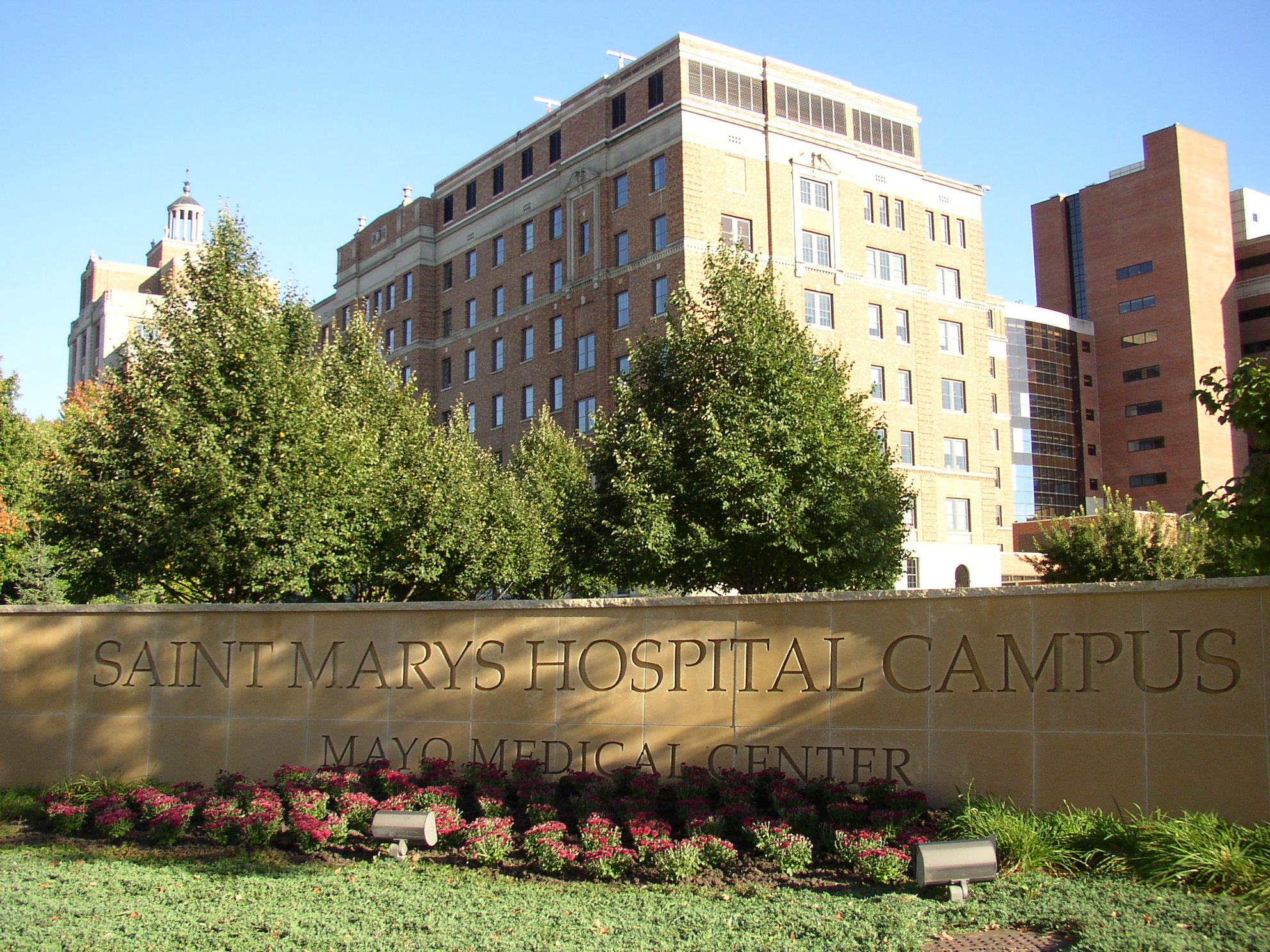
Mayo Clinic said it has performed its first robotic pancreas-kidney transplant to treat diabetes-related kidney failure [1].
This surgical milestone represents a shift in how physicians approach complex organ transplants. By integrating robotic assistance into the procedure, surgeons aim to provide a less invasive alternative to traditional open surgery, potentially reducing recovery times and expanding the number of patients eligible for these life-saving operations.
The procedure targets the systemic failure of organs often seen in advanced diabetes. In the U.S., approximately 40 million people live with diabetes [1]. For a significant portion of this population, the disease leads to kidney failure, necessitating a dual transplant to restore both insulin production and filtration functions.
Robotic technology allows for greater precision during the transplantation process. Surgeons can operate through smaller incisions, minimizing the physical trauma to the patient, while maintaining the high level of control required for vascular connections.
Mayo Clinic said the goal of the new approach is to expand surgical options for patients. This transition to robotic-assisted surgery follows a broader trend in the medical field to move away from large abdominal incisions in favor of minimally invasive techniques.
While the clinic has achieved this first milestone, the long-term outcomes for patients receiving robotic dual transplants will be monitored to determine if the method improves graft survival rates compared to traditional methods [1].
“Mayo Clinic has performed its first robotic pancreas-kidney transplant.”
The shift toward robotic-assisted dual organ transplants could lower the barrier for high-risk patients who may not tolerate the trauma of traditional open surgery. If these procedures prove successful in long-term clinical trials, it may standardize a more precise, less invasive approach to treating the millions of diabetes patients facing end-stage renal disease.


