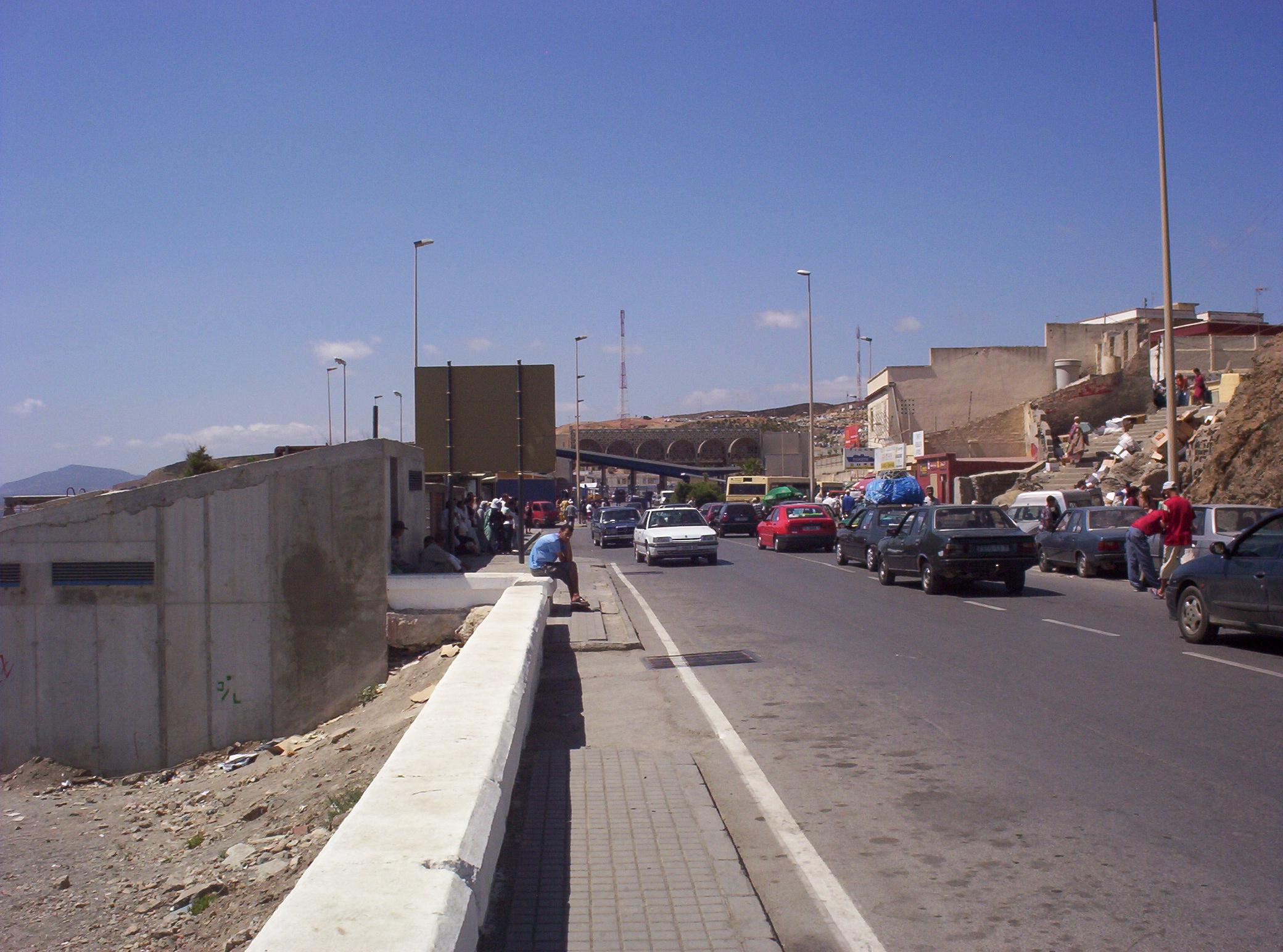
Thousands of migrants scaled roofs and jumped walls at the Beni Ansar border to enter the Spanish autonomous city of Melilla [1].
This surge highlights the ongoing desperation of people seeking better living conditions in Europe and the extreme pressure on the few remaining legal entry points between Morocco and Spain.
According to estimates from the Spanish government, approximately 49,000 migrants crossed into Spanish territory on Friday [1]. The arrivals followed a wave of activity that began on Thursday, June 30, 2024, when groups of people began climbing over border infrastructure to bypass security checkpoints [1].
Beni Ansar has served as the only open border crossing between Morocco and Melilla for the last six years [1]. This concentration of movement at a single point has frequently led to chaotic scenes as large crowds attempt to breach the perimeter simultaneously.
The migrants used rooftops and walls to gain entry into the city, bypassing official processing areas [1]. Local authorities in Melilla have historically struggled to manage these sudden influxes, which often result in temporary encampments and urgent humanitarian needs.
Spanish officials said the figures on Friday, June 31, 2024, following the peak of the crossing attempts [1]. The scale of the movement indicates a coordinated effort by migrant groups to enter the European Union through the North African enclave.
“Approximately 49,000 migrants crossed into Spanish territory.”
The reliance on a single open border crossing for six years has created a bottleneck that incentivizes irregular and dangerous entry methods. When thousands of people attempt to enter a small autonomous city simultaneously, it strains the administrative and humanitarian capacity of the local government, often leading to a cycle of restrictive border closures and subsequent surges.