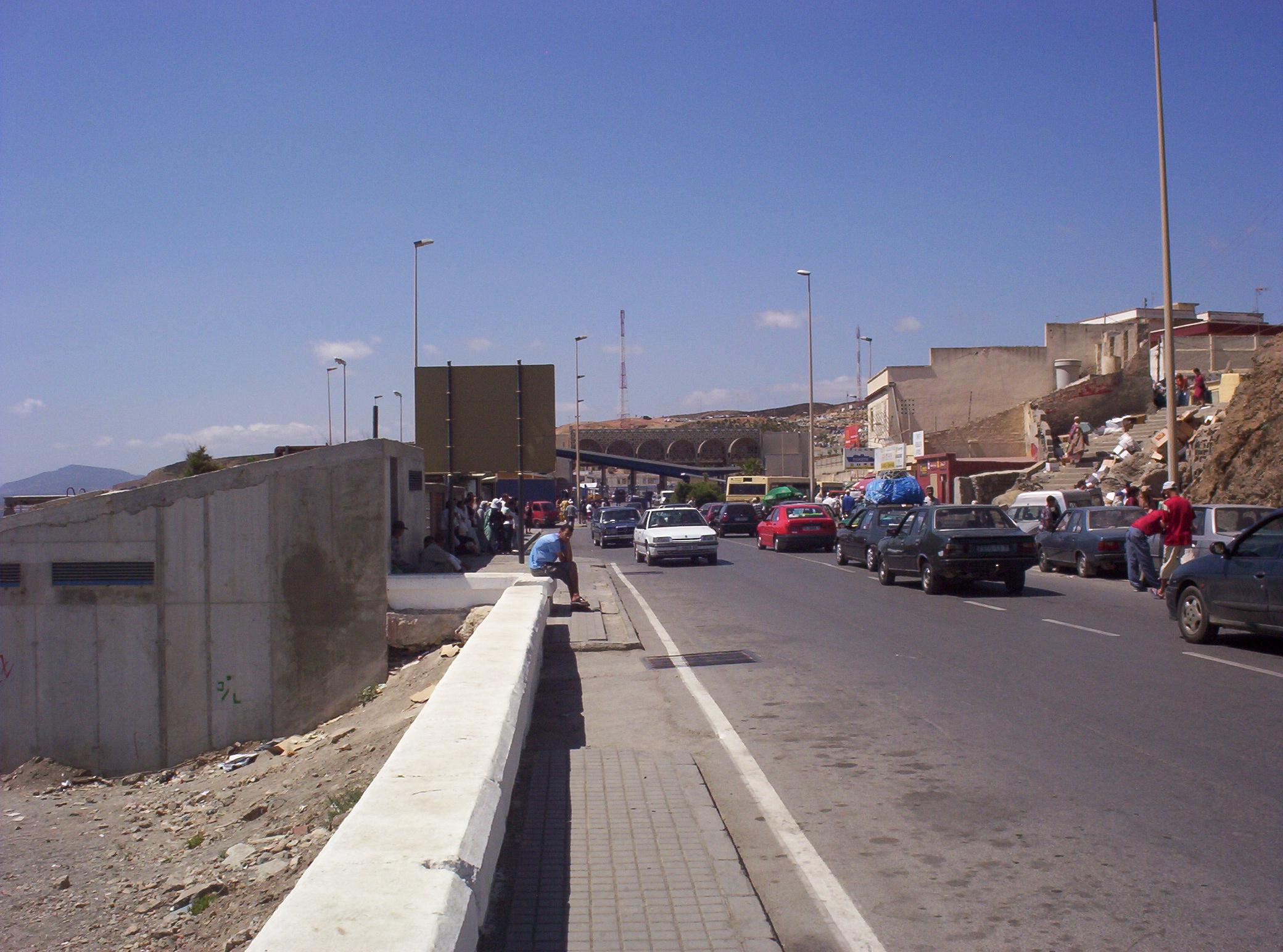
More than 48,300 migrants returned to Morocco from the Spanish enclave of Ceuta on Friday, July 31 [1, 2].
The mass movement underscores the volatility of the North African border and the persistent challenges of managing irregular migration into European territories. This event has renewed urgent immigration debates within the European Union as officials struggle to maintain border security while addressing humanitarian needs.
The return process followed a massive influx of people into Ceuta, which caused significant chaos within the enclave [3]. Spanish authorities said that the number of individuals who voluntarily returned to Morocco reached 48,300 [2]. Other reports estimated the figure at more than 48,000 [1].
The journey into the Spanish territory proved fatal for many. Reports indicate that 57 people died during the crossing [3]. The loss of life highlights the extreme risks migrants face when attempting to enter the enclave through irregular channels.
Ceuta, a small Spanish city located on the coast of North Africa, has long been a flashpoint for migration. The recent surge prompted a rapid response from the EU to contain the crisis and prevent further instability [1]. The arrangement for voluntary returns was implemented to alleviate the pressure on the enclave's infrastructure, and resources.
Spanish and Moroccan authorities coordinated the logistics of the return to ensure the movement of tens of thousands of people was managed. The scale of the influx and the subsequent return operation mark one of the most significant migration events in the region this year [1, 2].
“Over 48,300 migrants returned to Morocco from the Spanish enclave of Ceuta”
The scale of this influx and the subsequent rapid return of over 48,000 people illustrate the fragile nature of the migration agreement between Spain and Morocco. The death toll of 57 individuals underscores the humanitarian cost of border enforcement, while the 'voluntary' nature of the returns suggests a diplomatic effort to resolve the crisis quickly without triggering a long-term legal or asylum crisis within the EU.