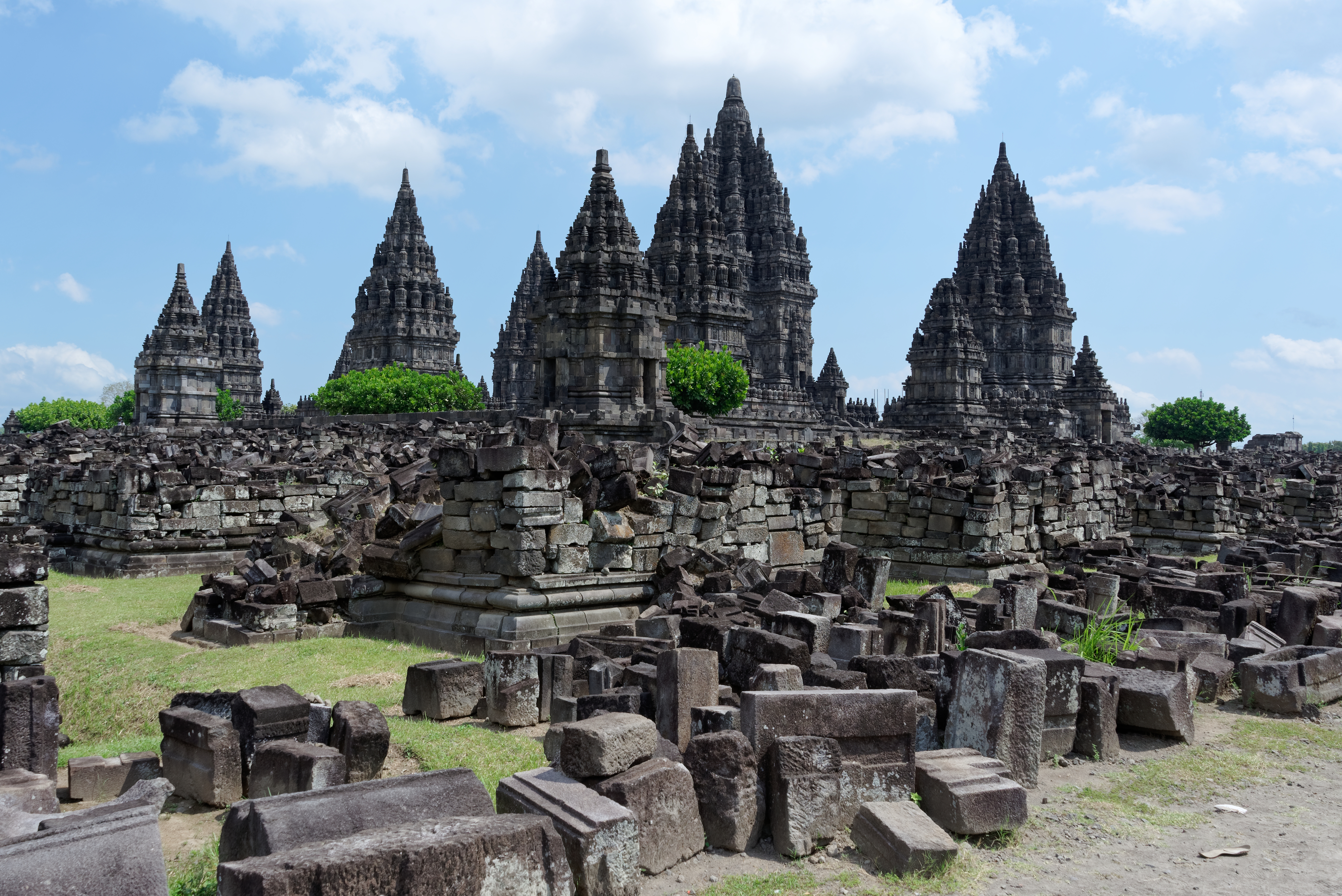
Prime Minister Narendra Modi unveiled a plaque on July 8, 2026 [2], launching a joint cultural heritage conservation project at the Prambanan Temple [1].
The initiative signals a deepening of diplomatic and civilizational ties between India and Indonesia through the preservation of shared history. By funding and coordinating the restoration of the Yogyakarta site, India aims to strengthen its cultural footprint in Southeast Asia.
During the visit to the temple complex, Modi was joined by Indonesian President Prabowo Subianto [1]. The project focuses on the restoration of the temple, which is nearly 1,000 years old [1]. The prime minister thanked the Indonesian people for their efforts in preserving the complex, noting that the site serves as a bridge between the two nations.
"Cultural heritage connects us," Modi said [2].
He further described the atmosphere of the region during his remarks. "One can smell the sweet fragrance of culture in Indonesia's air—the same fragrance that fills our own land every day," Modi said [1].
The restoration effort follows a series of high-level diplomatic engagements designed to synchronize the goals of both governments. Prior to this visit, the two nations held their eighth India-Indonesia Joint Commission meeting [3] to discuss bilateral cooperation.
Modi referred to the initiative as a "fragrance of cultural heritage" [3]. The project targets the long-term stability and preservation of the UNESCO World Heritage site, ensuring that the architectural legacy remains intact for future generations.
This collaboration marks a shift toward using soft power and archaeology to solidify strategic partnerships in the Indo-Pacific region. The India-backed restoration is part of a broader effort to highlight the ancient maritime and spiritual links that historically connected the Indian subcontinent with the Indonesian archipelago.
“"Cultural heritage connects us."”
This project leverages 'cultural diplomacy' to strengthen the strategic partnership between India and Indonesia. By investing in the physical restoration of a shared civilizational landmark, India reinforces its historical role in Southeast Asia, creating a non-military pillar of cooperation that complements the economic and security ties discussed in the Joint Commission meetings.