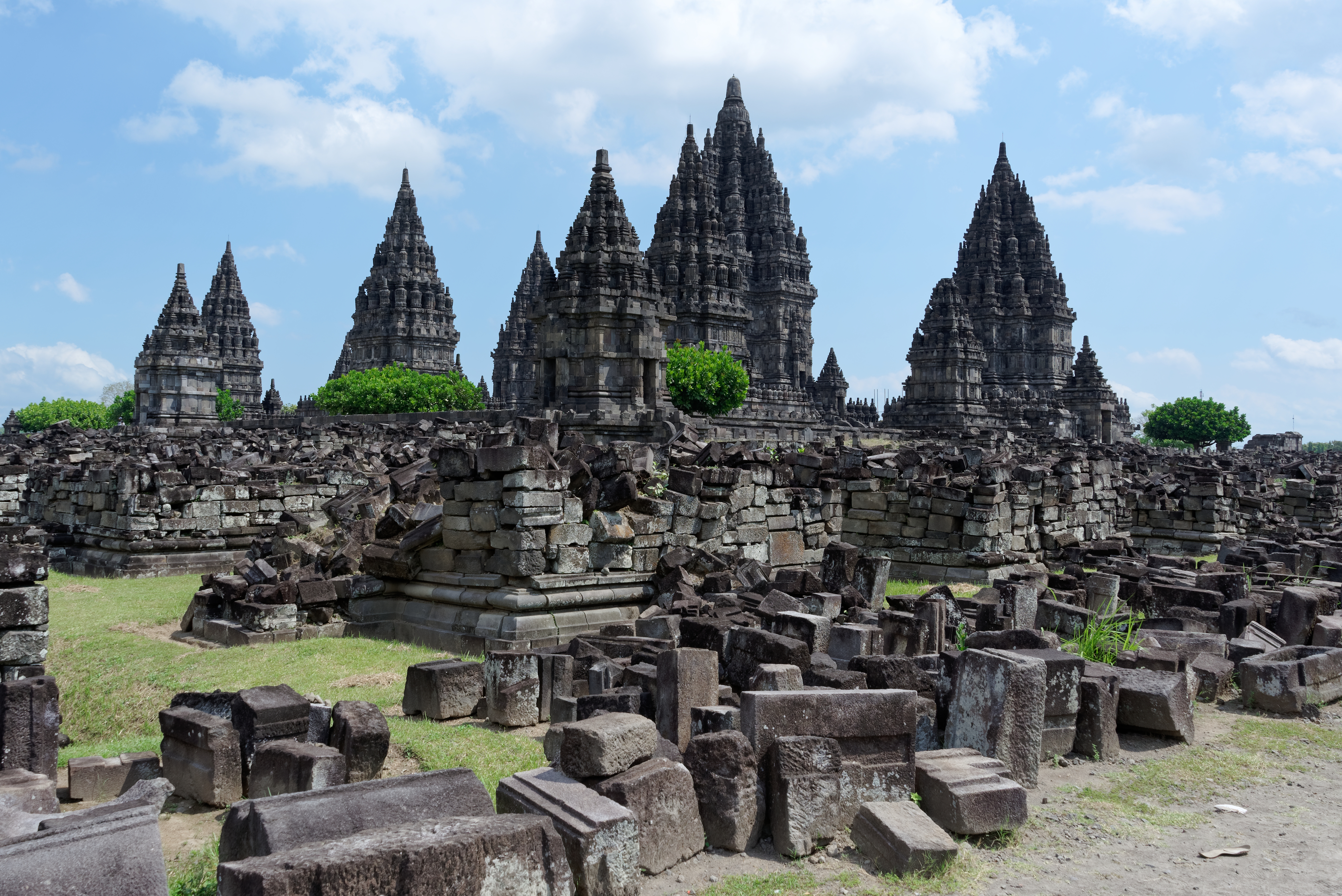
Prime Minister Narendra Modi and Indonesian President Prabowo Subianto offered prayers at the Prambanan Temple complex in Yogyakarta on Wednesday.
The visit serves as a diplomatic gesture to underscore the deep historical and cultural connections between India and Indonesia. By visiting a site of shared religious and architectural heritage, the leaders aim to strengthen bilateral ties through a recognition of their joint civilizational roots [3].
The Prambanan Temple is a massive Hindu complex that is nearly 1,000 years old [1]. Located in the heart of Java, the site remains one of the largest Hindu temple structures in Southeast Asia and stands as a testament to the early spread of Indian cultural influence across the region.
During the visit, Modi and Subianto walked through the temple grounds and participated in prayer rituals. The joint appearance at the site is intended to symbolize the enduring nature of the relationship between the two nations, a bond that predates modern diplomatic frameworks [3].
Both leaders emphasized the importance of preserving such heritage sites to foster mutual understanding. The visit occurred as part of a broader effort to enhance strategic cooperation between the two democratic nations in the Indo-Pacific region.
Official reports said the visit was focused on the spiritual and historical significance of the temple [1], [2]. The gesture reflects a broader trend of using cultural diplomacy to solidify political and economic partnerships in Asia.
“The visit serves as a diplomatic gesture to underscore the deep historical and cultural connections between India and Indonesia.”
This visit leverages 'soft power' by anchoring modern diplomatic relations in ancient shared history. By emphasizing civilizational ties at a site like Prambanan, India and Indonesia are signaling a strategic alignment that transcends current trade or security agreements, positioning their partnership as a natural continuation of a millennium-old cultural exchange.