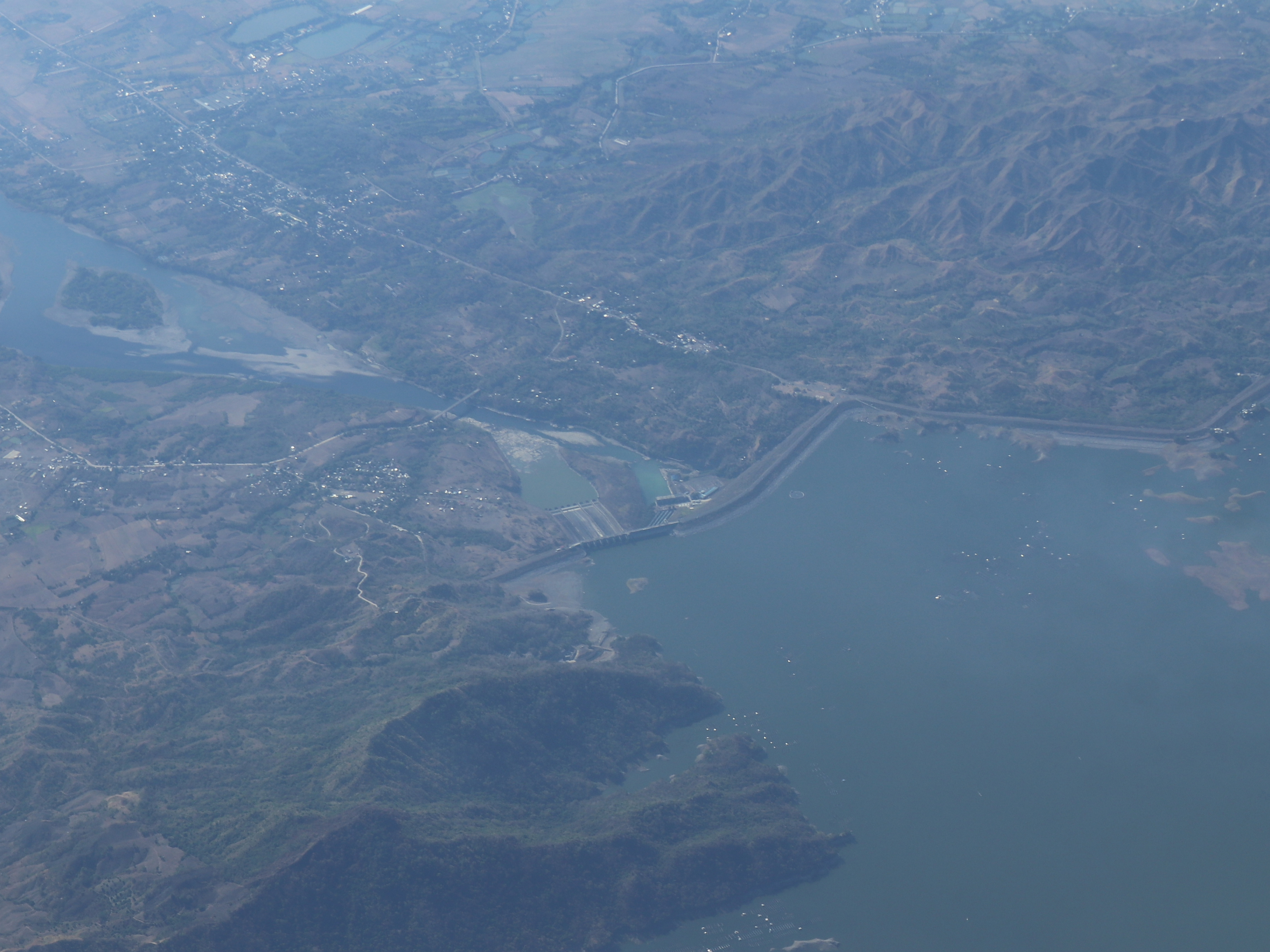
A severe drought linked to a super El Niño has caused water levels in the Magat Dam to plunge, threatening fish farms and rice harvests.
The crisis puts the food security of the Philippines at risk by disrupting the primary water source for agriculture in central Luzon. If the trend continues, the resulting crop failure could trigger widespread economic instability for rural farming communities.
The drought has severely impacted the province of Isabela, where the Magat Dam serves as a critical reservoir. Local fish farm operators and farmers are struggling as water levels recede, leaving aquaculture pens exposed and irrigation channels dry.
Government agencies, including PAGASA, have monitored the weather patterns driving this event. The agency said a very strong El Niño is expected to persist until the first half of 2027 [3]. This extended timeline suggests that the region will not see a return to normal precipitation levels for several more months.
The agricultural consequences are projected to be steep. Reports indicate that potential rice output could collapse by about 30% [1]. This decline would represent a loss of roughly 700,000 tonnes of rice [2].
Farmers in central Luzon are facing an uphill battle to save the upcoming harvest. The lack of water during critical growth stages often leads to stunted crops or total loss, further straining the national food supply chain.
Local authorities continue to monitor the reservoir levels to manage the remaining water distribution. However, the scale of the super El Niño event has outpaced many traditional mitigation strategies used in previous years.
“Potential rice output could collapse by about 30%”
The persistence of a super El Niño into 2027 indicates a systemic climate shift rather than a seasonal fluctuation. For the Philippines, a 30% drop in rice production would likely necessitate increased food imports and higher consumer prices, potentially destabilizing the domestic economy and increasing reliance on foreign agricultural markets.