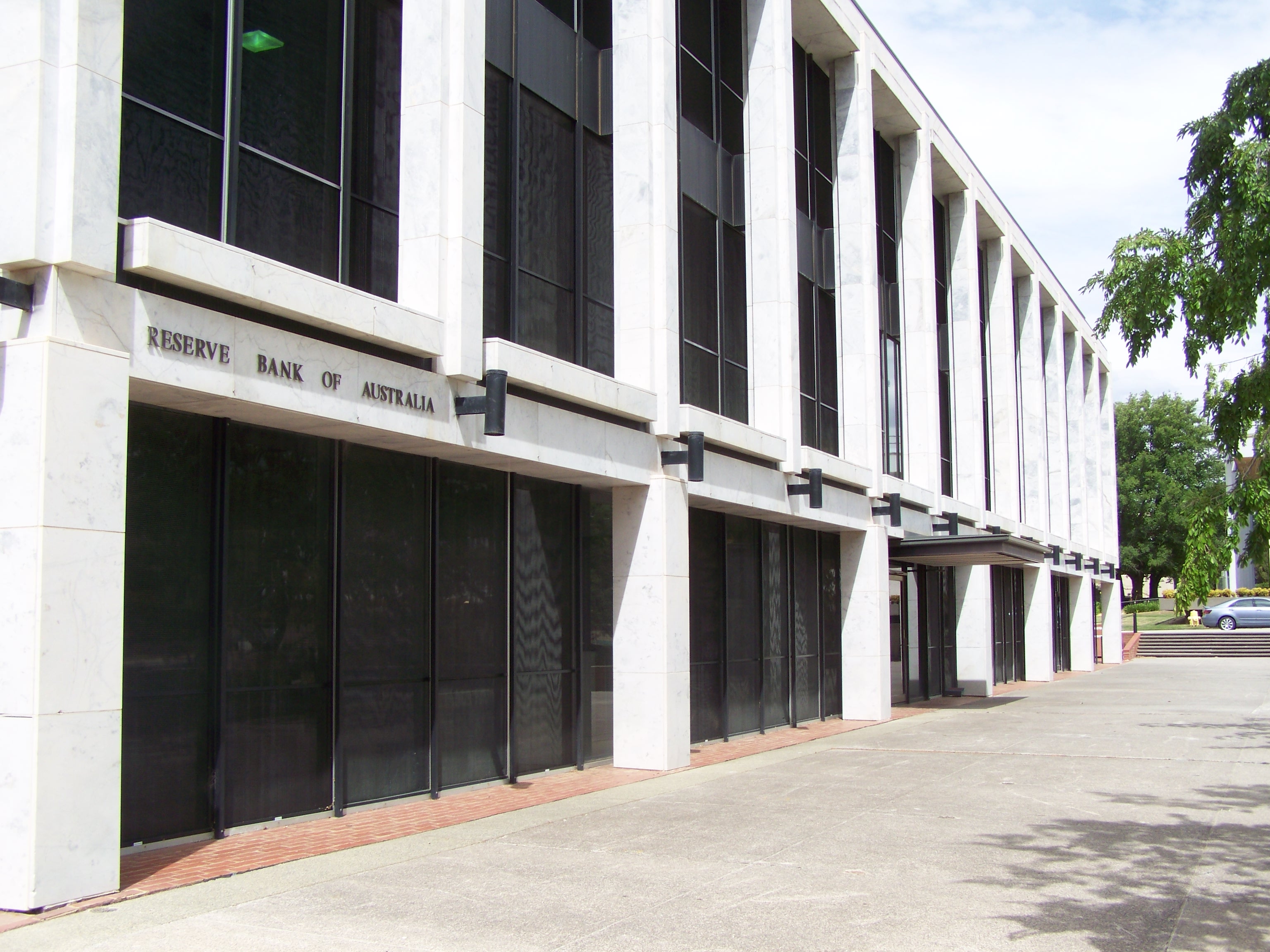
A Reserve Bank of Australia survey found most adults do not understand how interest rates affect inflation [1].
This knowledge gap is critical because the central bank relies on public expectations and behavioral responses to manage the economy. If citizens do not understand the mechanics of monetary policy, the RBA may struggle to steer inflation toward its target levels.
Results from the nationwide online survey were released Wednesday, July 22, 2026 [1]. The data shows that only 25% of participants correctly stated that higher interest rates lead to lower inflation [1]. This means that 75% of those surveyed did not correctly assess the relationship between the two economic levers [2].
“Only one in four Australians correctly identified that higher interest rates would lower inflation,” the Reserve Bank of Australia said [1].
The RBA said that the lack of financial literacy regarding monetary policy could complicate its operational goals. When the public misinterprets the purpose of rate hikes, it can create friction in the transmission of policy from the central bank to the broader economy.
An RBA spokesperson said, “The lack of understanding could make the RBA's job harder” [2]. The bank said that clearer communication and a better public understanding of these mechanisms would help facilitate the process of lowering interest rates in the future [1].
“Only one in four Australians correctly identified that higher interest rates would lower inflation.”
The findings suggest a significant disconnect between the Reserve Bank of Australia's policy tools and the public's perception of them. Monetary policy is most effective when the public understands and anticipates the bank's actions; a widespread misunderstanding of how rate hikes curb inflation can lead to misplaced public frustration and may diminish the psychological impact of the bank's signaling, potentially forcing the RBA to maintain higher rates for longer to achieve the same effect.


