
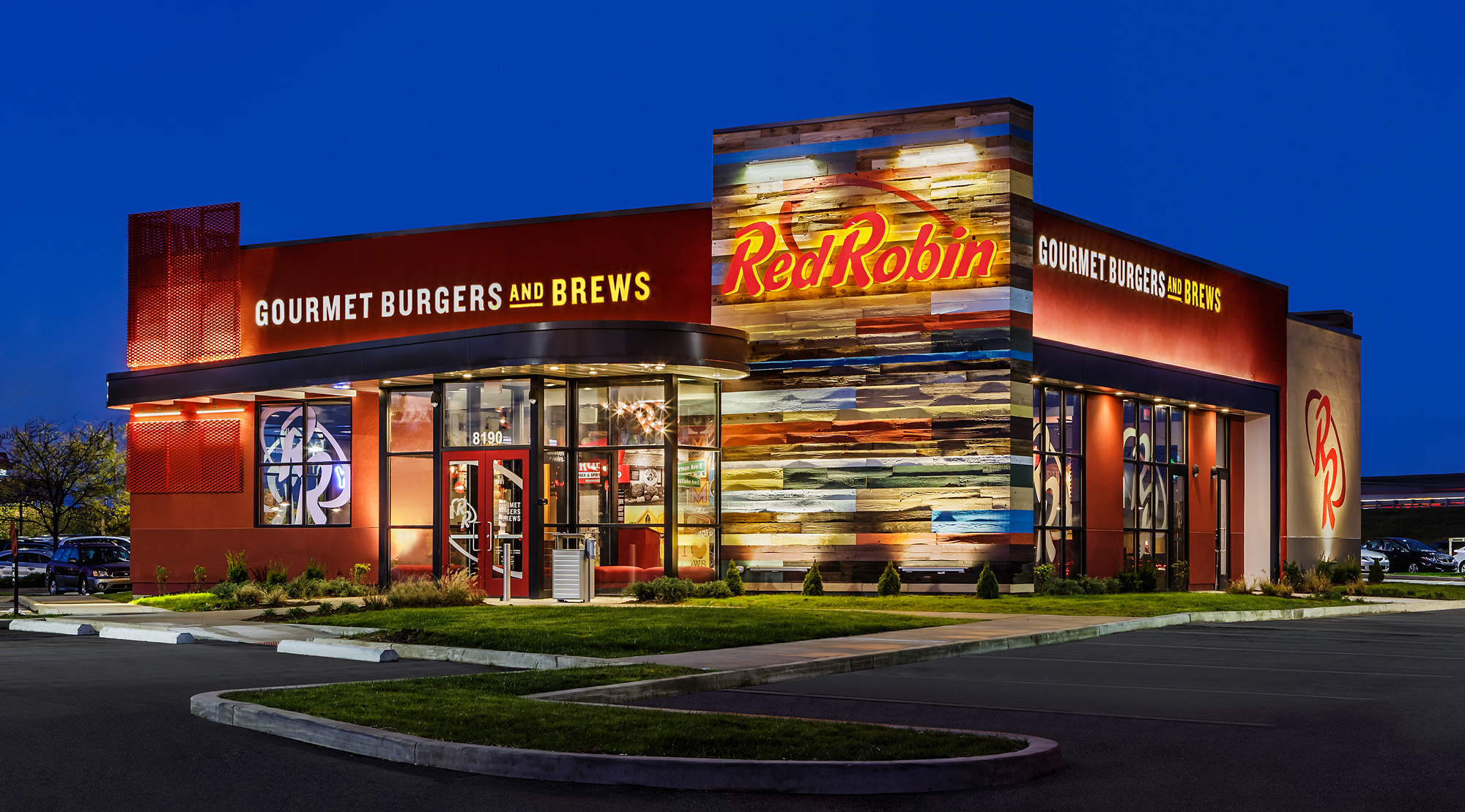
Red Robin agreed to sell 30 company-owned restaurants to Evergreen Dining LLC on May 28, 2026 [1], [3].
The divestiture represents a strategic shift to stabilize the company's balance sheet. By offloading these assets, the chain aims to reduce its overall debt load and strengthen its financial position to better support long-term growth, and shareholder value [2], [4].
The transaction involves locations situated across Washington and western Idaho [5], [6]. This regional focus in the Pacific Northwest allows the company to trim its direct corporate footprint while maintaining a presence in those markets through the new ownership group.
The deal is valued at $23.5 million [2], [7]. Red Robin intends to use the proceeds from the sale to pay down existing debt and improve its liquidity. This move comes as the company seeks to optimize its operational costs and focus on more profitable corporate-owned units.
Evergreen Dining LLC will take over the operations of the 30 units [1], [6]. The transition of these locations from corporate ownership to a franchisee-style model is a common tactic for large restaurant chains looking to shift the risk and overhead of individual sites to third-party operators.
Corporate leadership said the primary drivers for the sale were the need to cut debt and improve financial health [2], [8]. The company has not specified if this sale is part of a larger plan to divest more corporate locations in other regions of the U.S.
“Red Robin agreed to sell 30 company-owned restaurants to Evergreen Dining LLC”
This move signals a transition toward a more asset-light business model for Red Robin. By converting company-owned stores into franchised or third-party operated units, the company reduces its capital expenditure and operational risk. The focus on debt reduction suggests that the company is prioritizing financial solvency and balance sheet repair over aggressive corporate expansion in the Pacific Northwest.


