
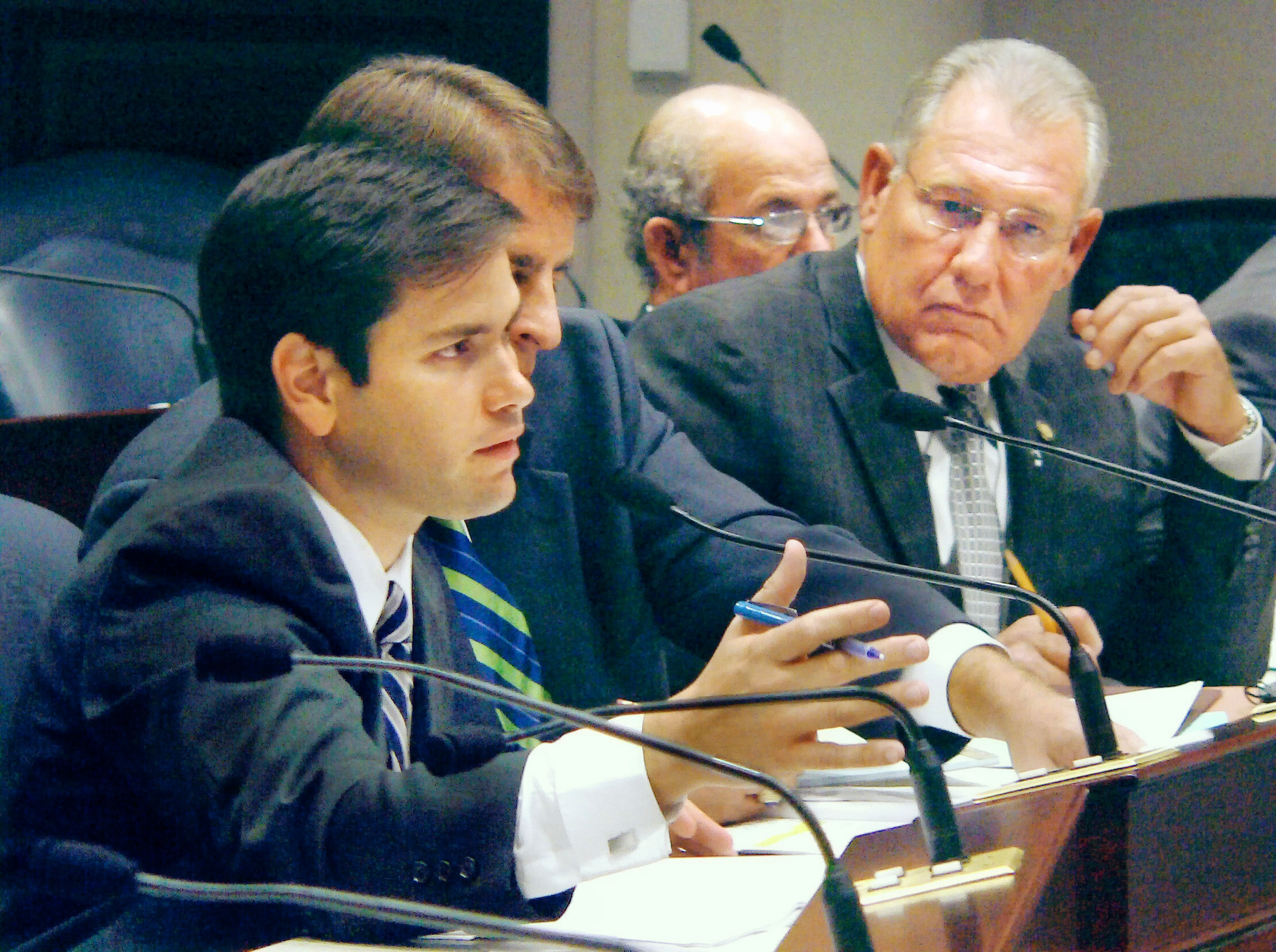
Secretary of State Marco Rubio said Tuesday that the war in Iran is over during testimony before lawmakers on Capitol Hill [1, 2].
The statement comes as the administration seeks to define the outcome of a conflict that has seen significant military engagement. Clarifying the end of hostilities is critical for determining future diplomatic relations and regional security postures.
During the House Committee hearing, Rep. Sara Jacobs (D-CA) questioned the secretary regarding the conclusion of the conflict. "Okay, fine. We’re taking you at your word. The war is over. Who won?" Jacobs said [1].
Rubio responded by detailing the military objectives the U.S. achieved. He said the U.S. destroyed Iran’s defense industrial base, reduced its drone stockpile and missile launchers, and decimated its air force [1, 2].
Despite these assertions, reports of ongoing hostilities have surfaced. Some updates indicated that Iran launched missiles at Bahrain and Kuwait while the U.S. conducted new strikes [4]. These reports suggest a discrepancy between the official diplomatic stance and the situation on the ground.
Rubio said the U.S. had met its goals in the region. The exchange highlighted the tension between the executive branch's declaration of victory and congressional oversight regarding the actual state of the conflict [1, 2].
“"The war in Iran is over."”
The contrast between Secretary Rubio's declaration of victory and reports of continued missile strikes suggests a potential gap between strategic military goals and tactical reality. By defining 'winning' as the destruction of industrial capacity rather than the total cessation of enemy fire, the administration is shifting the metric of success from a ceasefire to a degradation of capability.


