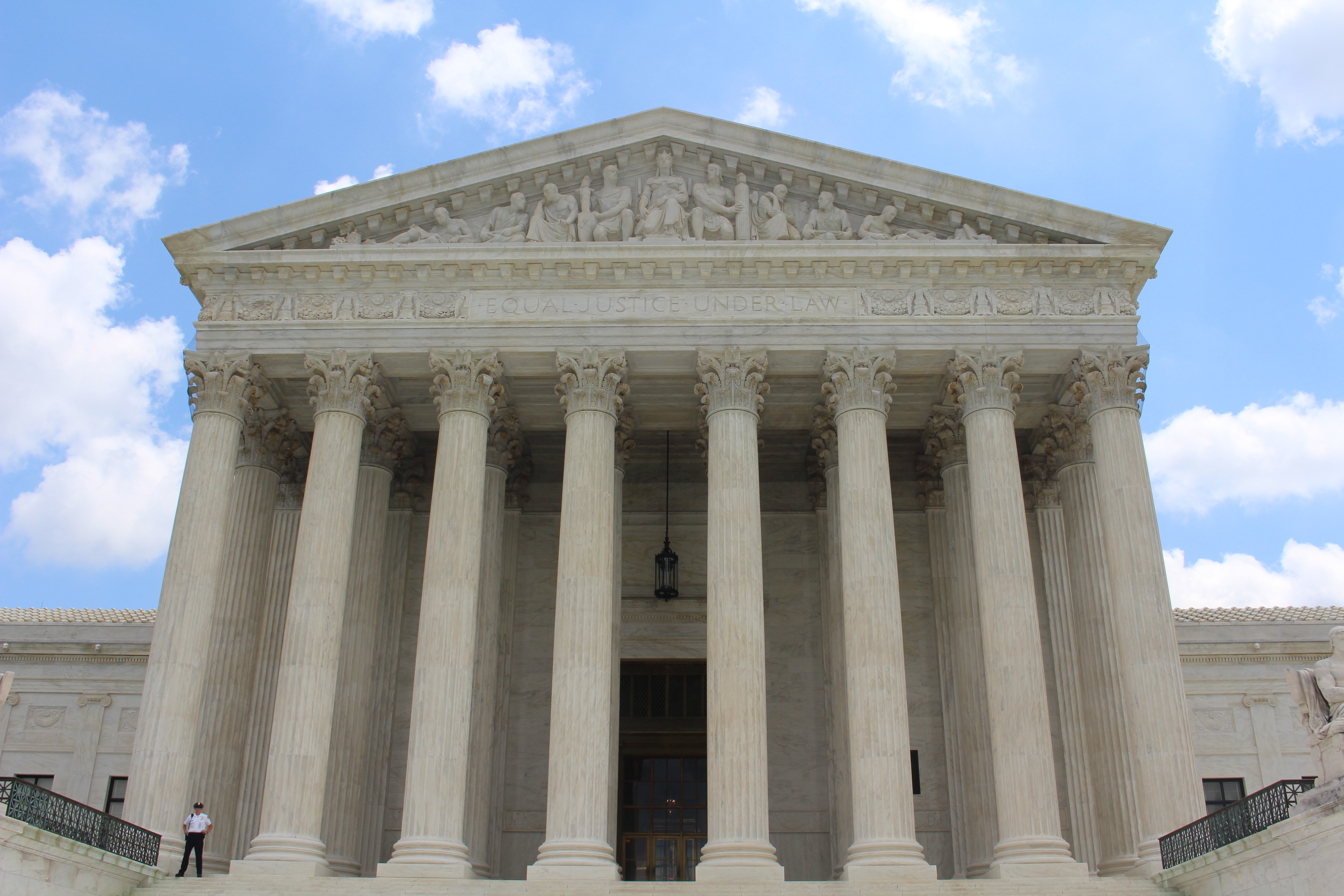
The U.S. Supreme Court ruled Tuesday that all children born in the United States are citizens, rejecting an executive order from President Donald Trump [1].
This decision preserves a cornerstone of American immigration law and prevents the administration from unilaterally altering the legal status of children born in the U.S., regardless of their parents' legal standing.
The Court said that the administration exceeded its authority in attempting to end birthright citizenship [2]. The justices concluded that the 14th Amendment guarantees citizenship to anyone born on U.S. soil [3]. This ruling effectively nullifies the executive order that sought to restrict the automatic granting of citizenship to children of non-citizens [4].
Legal experts and advocates said that the ruling protects hundreds of thousands of babies born each year [5]. The decision ensures that the birthright citizenship process remains intact and consistent with long-standing constitutional interpretations.
President Donald Trump had argued that the executive branch had the power to define the terms of citizenship via order. However, the Court said that such a change would require a constitutional amendment rather than a directive from the White House [2].
The ruling comes after intense legal battles over the scope of presidential power and the interpretation of the 14th Amendment. The Court's decision serves as a definitive check on the executive branch's ability to redefine national citizenship [3].
“The 14th Amendment guarantees citizenship to anyone born on U.S. soil.”
This ruling reaffirms the principle of jus soli, or right of the soil, in the United States. By rejecting the executive order, the Supreme Court has limited the power of the presidency to redefine citizenship through administrative action, ensuring that the 14th Amendment remains the primary authority on who is recognized as a U.S. citizen at birth.