South Korea's largest Buddhist sect ordained a Chinese-made humanoid robot named Gabi as a monk during a ceremony on May 6, 2026 [1].
The move represents an effort by the Jogye Order to modernize the faith and attract younger generations to Buddhism. The event was timed to precede the celebration of Buddha’s birthday [2, 3].
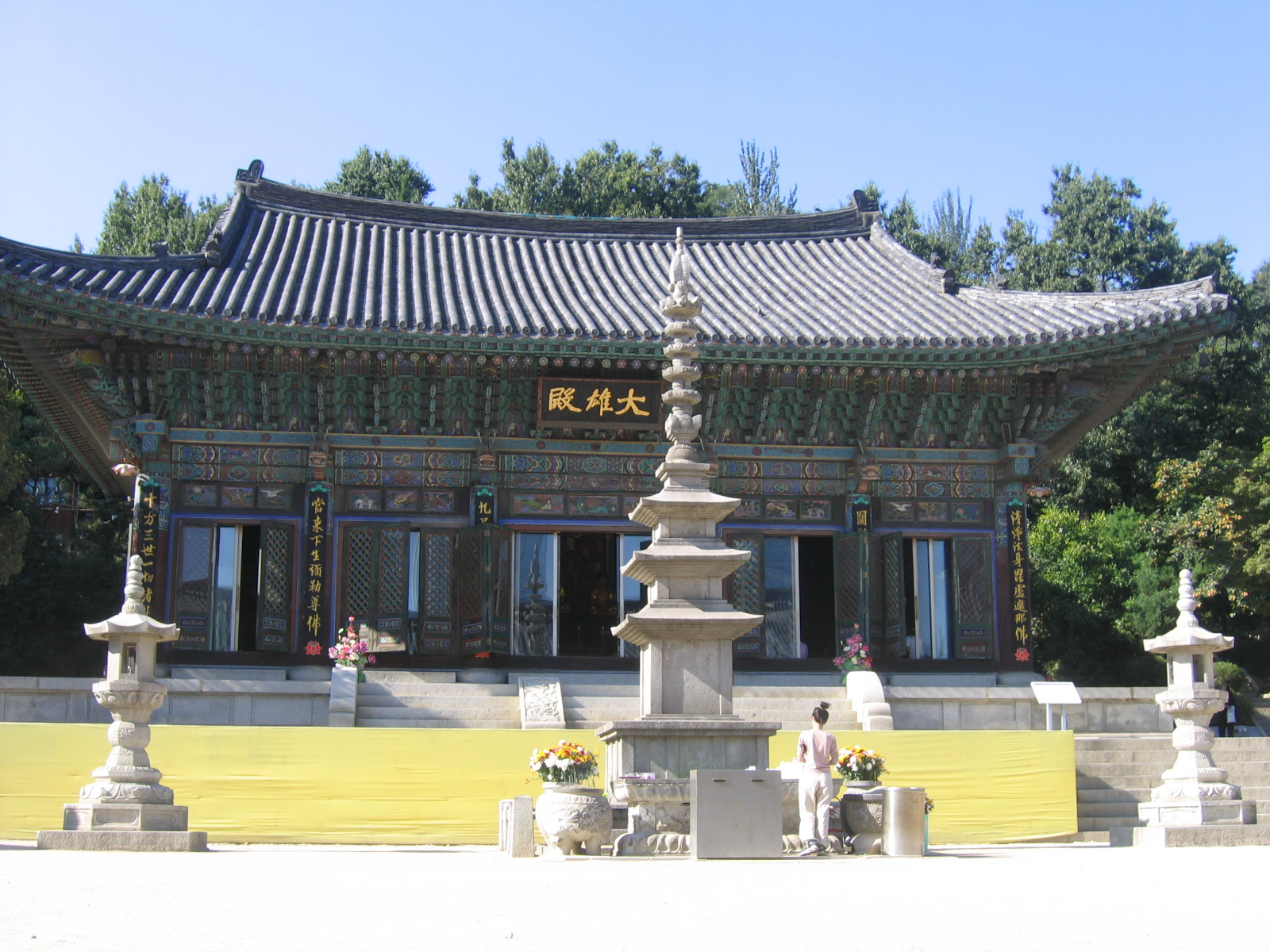
The ordination took place at Jogye Temple in central Seoul [4, 5]. Gabi is a humanoid robot developed by Unitree Robotics, based on the Unitree G1 platform [5]. Standing 130 centimeters tall, the robot participated in the official rituals of the sect [6].
While the robot was presented as a monk capable of chanting and taking vows, observers noted uncertainty regarding its operation. Some reports indicated it was unclear whether Gabi was acting autonomously or being tele-operated during the proceedings [5].
The integration of robotics into spiritual leadership is a rare occurrence, though the Jogye Order intends for the robot to serve as a bridge between ancient tradition and contemporary technology. By introducing Gabi, the sect aims to make the temple's teachings more accessible to a tech-savvy public [2, 3].
The ceremony marks the first time the Jogye Order has granted such a status to a non-human entity. The robot's presence at the temple is intended to spark conversation about the intersection of artificial intelligence and spirituality [1, 4].
“The robot was ordained as a Buddhist monk in an official ceremony.”
The ordination of Gabi reflects a broader trend of religious institutions adopting AI and robotics to combat declining membership among youth. By blending traditional monastic vows with cutting-edge hardware, the Jogye Order is testing whether technological novelty can serve as a gateway to spiritual practice in a highly digitized society.


