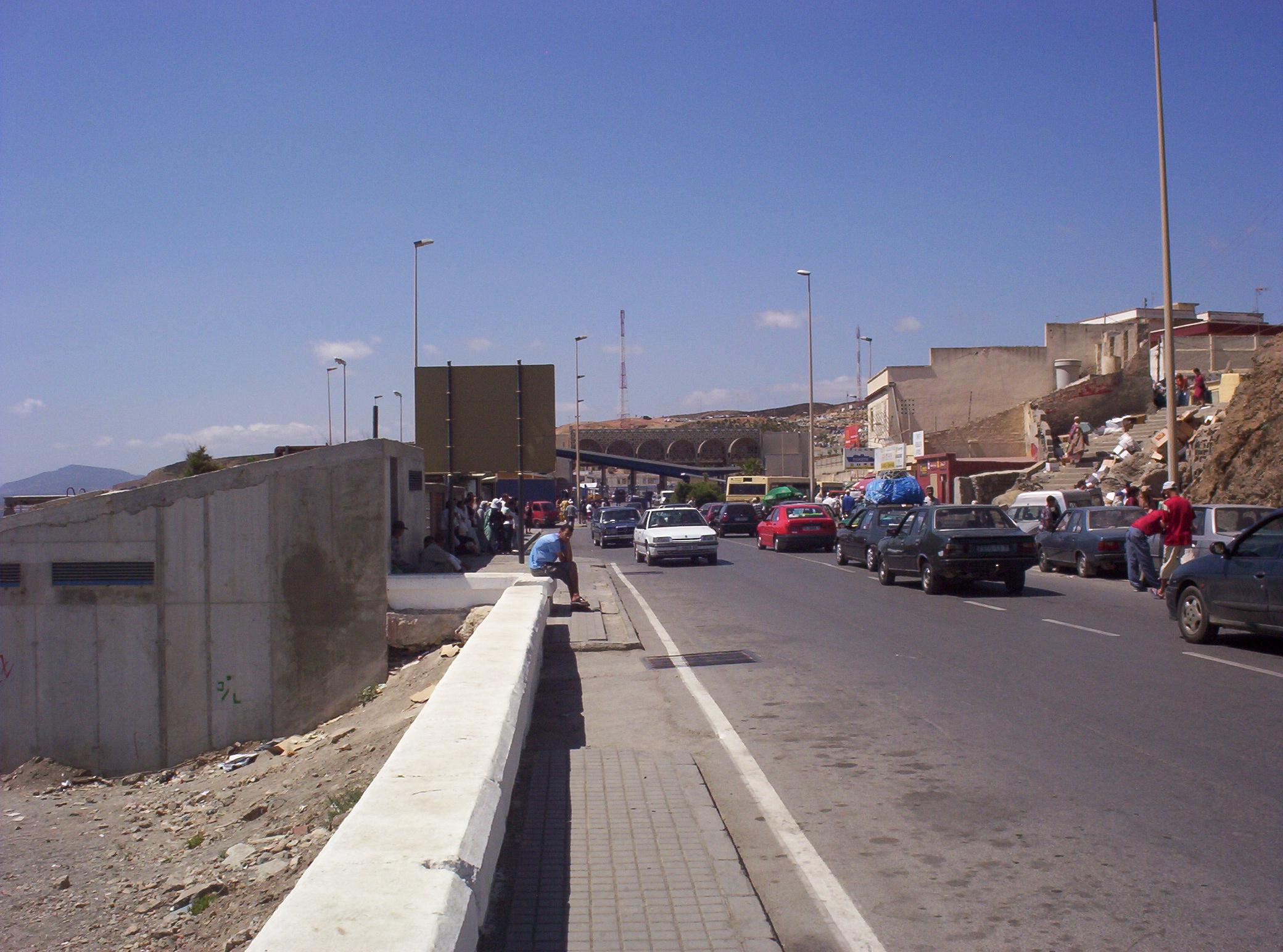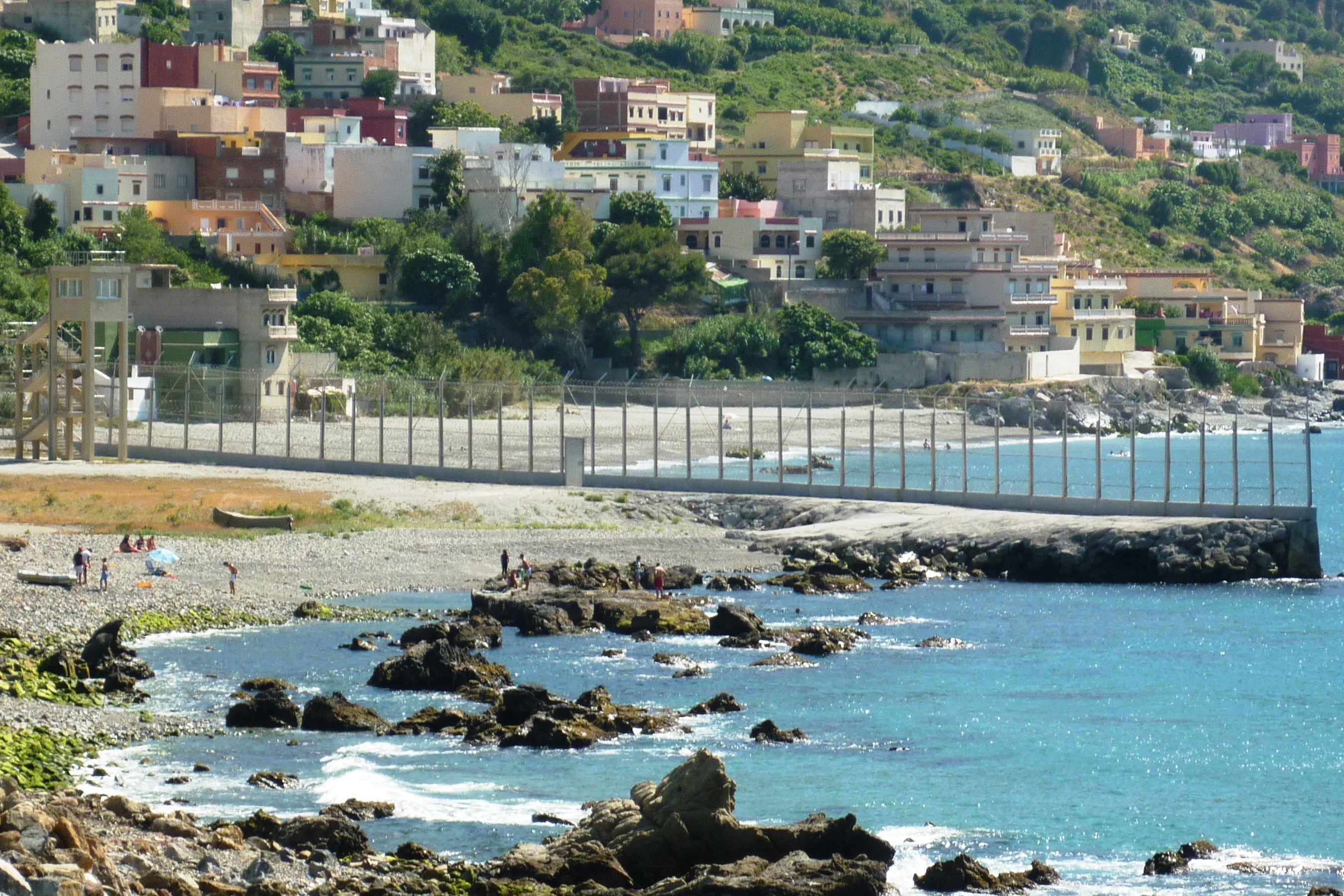
Spain and Morocco have reinforced the border fence in Ceuta to stop mass migrant crossings at the Tarajal crossing point [1].
The operation marks a significant escalation in border security measures between the two nations. By strengthening the physical barriers, both governments aim to prevent large-scale unauthorized entries and manage the return of migrants to Moroccan territory.
According to reports, 50,000 migrants entered Spain starting last Thursday [1]. This surge prompted the immediate reinforcement of the border fence on July 31, 2026 [1]. The coordinated effort between Spanish and Moroccan authorities was designed to contain the wave of arrivals and establish a controlled process for repatriation.
By Friday afternoon, officials said that 25,000 migrants had already returned to Morocco [1]. The process focused on the Tarajal crossing, where the highest concentration of movement occurred during the two-day period.
The reinforcement of the fence serves as a primary tool for Spain to limit the number of individuals entering the enclave. These measures are part of a broader strategy to manage migration flows, and maintain border integrity through bilateral cooperation with Morocco.
“50,000 migrants entered Spain starting last Thursday”
The rapid deployment of reinforced fencing and the subsequent return of thousands of people highlight the volatile nature of the Ceuta border. This operation demonstrates a reliance on physical deterrence and bilateral agreements to manage migration, signaling a preference for immediate containment over long-term processing of asylum seekers at the frontier.