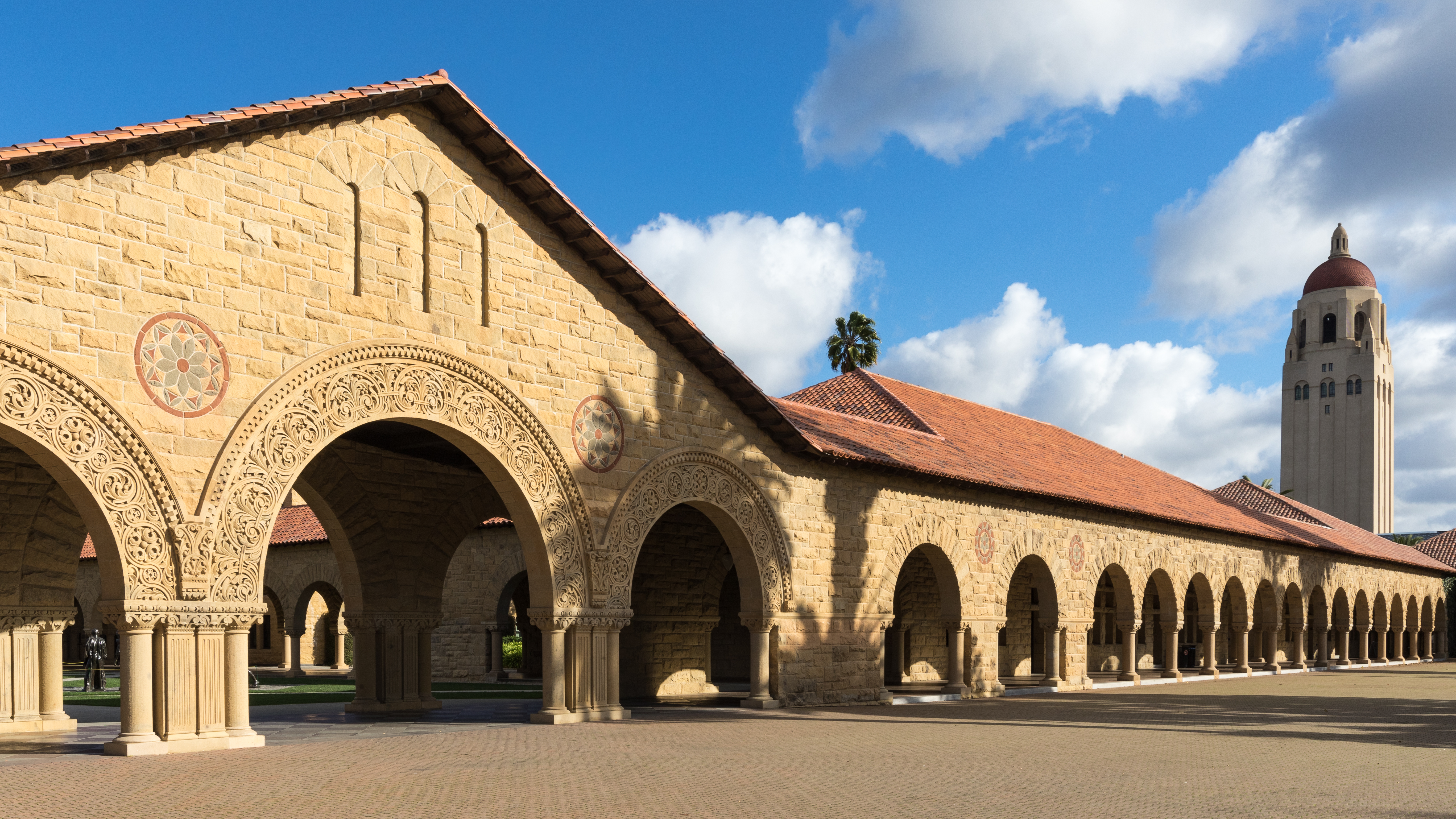
Stanford University computer science students are increasingly delaying or abandoning their degrees to launch generative AI startups [1, 2].
This trend reflects a shift in academic priorities where the immediate financial rewards of the AI market outweigh the long-term value of a degree. It suggests a culture within the university that may prioritize hype-driven entrepreneurship over traditional scholarly achievement.
The movement is fueled by a surge in venture funding and market opportunities available to those entering the AI space. Some observers describe this environment as an activation of the university's "worst instincts," citing greed, and a rush toward rapid commercialization [1, 2].
Nicholas Bloom, an economics professor at Stanford, said, "It feels like a return to the early 2000s" [2]. His comment draws a parallel to the dot-com bubble, where speculative investment led many to leave formal education for the promise of quick wealth.
The pressure to enter the market quickly is evident even among those nearing completion. An anonymous Anthropic engineer said that some students were weeks away from graduation and worried about missing their window of opportunity [1].
The scale of interest in these ventures is reflected in campus events. Approximately 100 students attended a recent lecture by an engineer from Anthropic [1].
This pattern of degree abandonment appeared in reports throughout April and May 2026 [1, 2]. While the university remains a hub for technical innovation, the current climate has created a tension between the pursuit of a diploma and the lure of the AI gold rush.
“"It feels like a return to the early 2000s."”
The willingness of students at a top-tier institution to forgo degrees indicates a high level of confidence in the immediate liquidity of the AI market. This shift may signal a transition where industry-specific venture capital becomes a more powerful credential than a formal academic degree in computer science, potentially altering the traditional pipeline between academia and the tech workforce.


