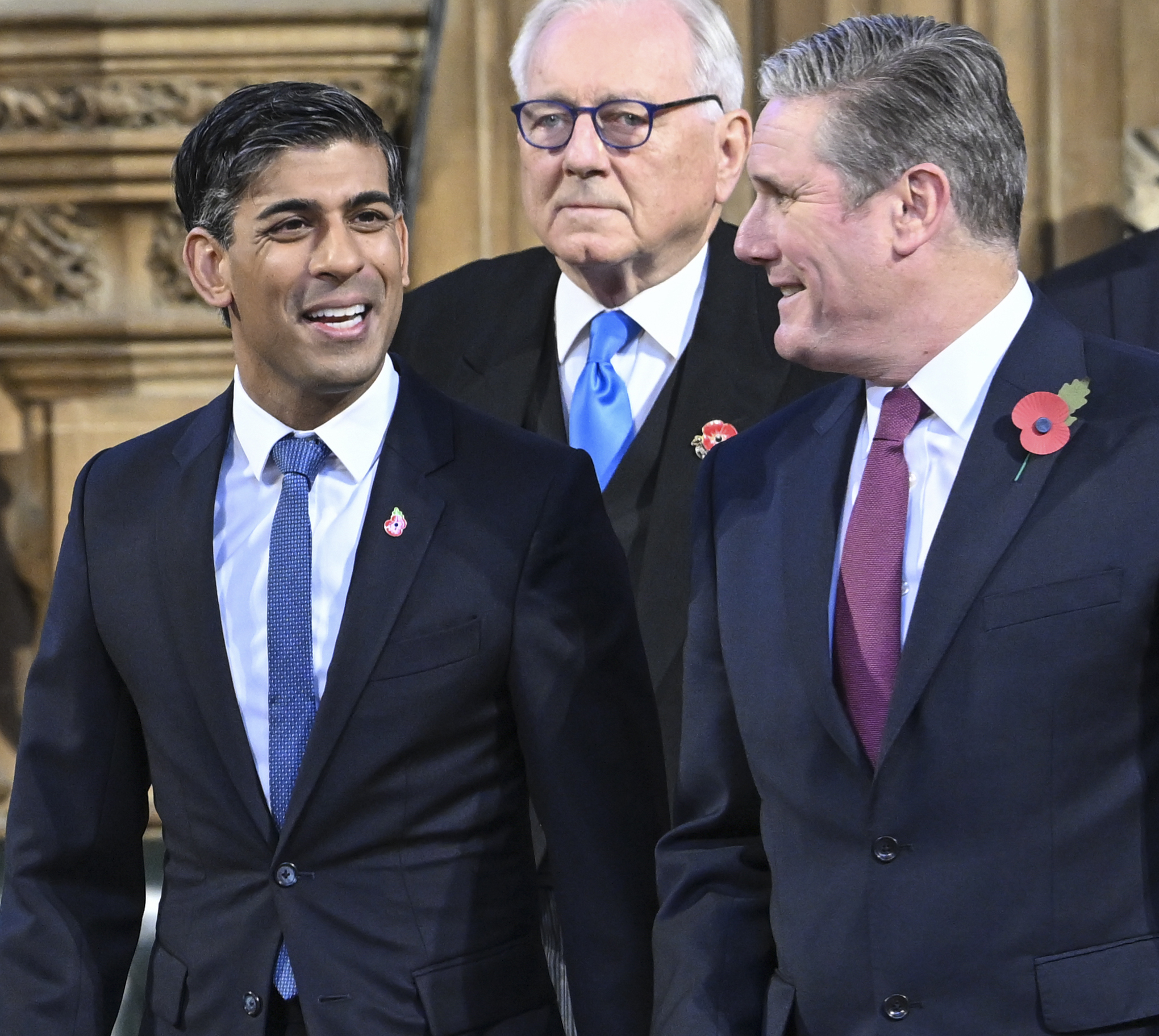
UK Prime Minister Keir Starmer (Labour) has dismissed calls for his resignation and said he will not step down from office.
The refusal comes as internal critics within the Labour Party urge a formal leadership contest, signaling a deepening rift within the government's senior ranks.
Speculation regarding a possible leadership challenge has intensified this week. While Starmer maintains his position, media reports and party insiders have begun discussing a list of possible successors who may step in if his leadership becomes untenable [1, 2].
Among the potential contenders identified are Angela Rayner, Andy Burnham, and Alex Davies-Jones [2]. The list also includes Zubir Ahmed, the Parliamentary Under-Secretary of the Department of Health and Social Care [2].
Internal tensions reached a peak on May 10, when reports suggested Starmer had 24 hours [1] to save his job. This pressure reflects a broader effort by rivals to position themselves for a transition of power.
There is conflicting information regarding the strategy of health officials within the party. One report said the health secretary is unlikely to challenge Starmer directly but is preparing a campaign should the prime minister be ousted [1]. However, other reporting lists Zubir Ahmed as one of the top contenders to replace the prime minister [2].
Starmer has remained defiant in the face of these maneuvers. He has rejected the demands of those urging his departure, a move that maintains his current authority but does not resolve the underlying instability within his party [2, 3].
“Keir Starmer has dismissed calls for his resignation and said he will not step down”
The current friction within the Labour Party suggests a crisis of confidence in Starmer's leadership. While the Prime Minister has refused to resign, the public identification of successors and the timing of internal ultimatums indicate that his rivals are no longer merely speculating, but are actively preparing for a transition of power within Westminster.


