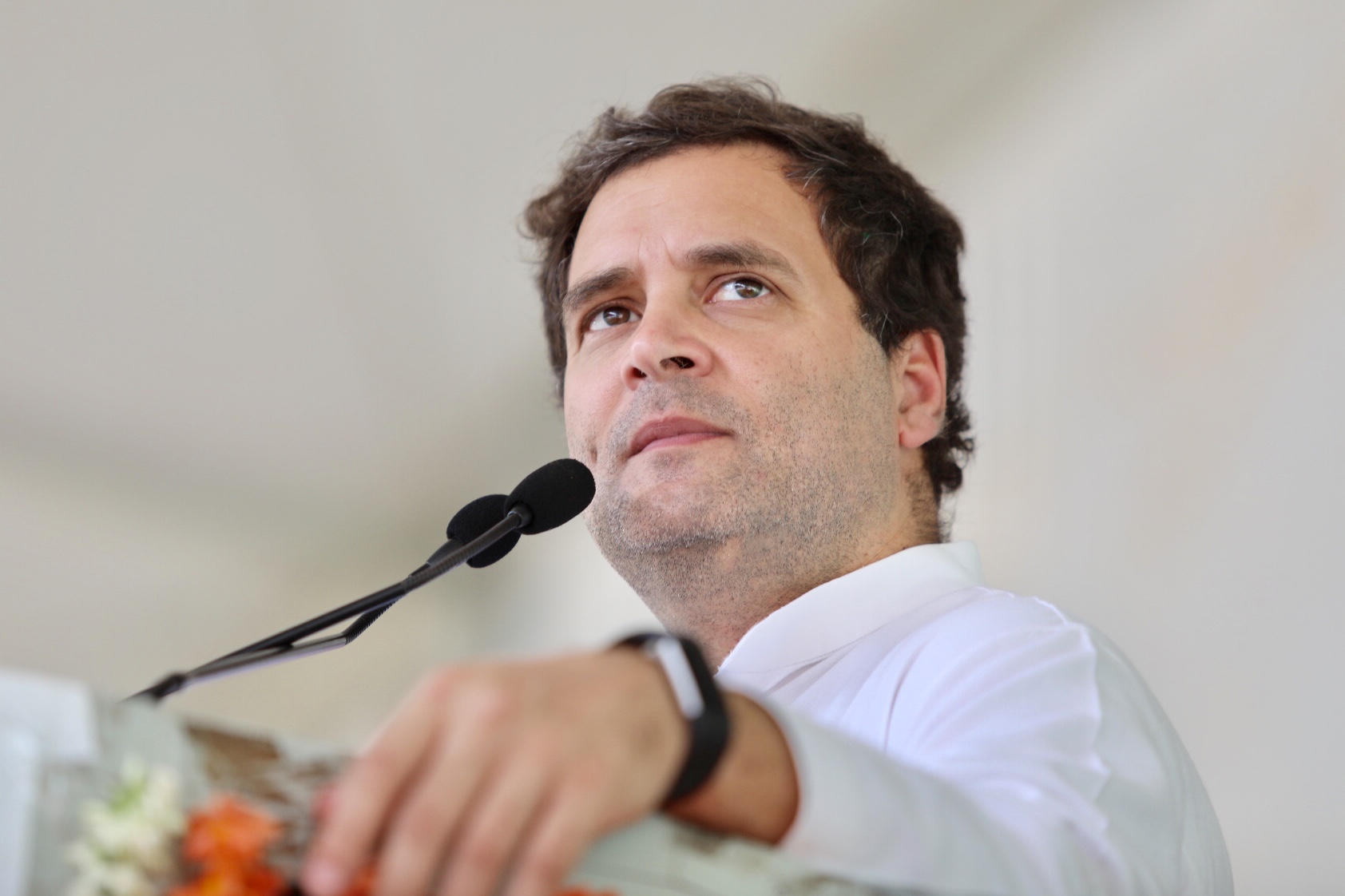
Tamil Nadu Chief Minister C. Joseph Vijay arrived in Delhi this Wednesday to meet Prime Minister Narendra Modi and other senior central leaders.
This visit marks a critical early step for the new administration as it seeks to align state priorities with central government support. Securing federal funding and project approvals is essential for the stability and growth of the state's infrastructure, and social programs.
Vijay is scheduled to discuss key issues affecting Tamil Nadu, specifically requesting additional funds and the approval of major state projects [2, 4]. The meetings are part of a formative effort to establish a working relationship between the state leadership and the central government [2].
Vijay assumed office following a significant electoral victory for his party, the TVK, which won 108 seats in the 234-member Tamil Nadu Assembly [1]. He was sworn in as chief minister on May 10, 2026 [3]. Shortly after his appointment, the state moved toward full government formation, with the Tamil Nadu Assembly speaker election scheduled for May 12, 2026 [3].
While some reports indicate meetings are lined up with both Prime Minister Modi and Sonia Gandhi [1], other sources focus on discussions with the prime minister and various union ministers [2]. The visit is seen as a strategic move to ensure that the TVK-led government can deliver on its campaign promises through central cooperation.
Officials have not released a detailed itinerary of the specific projects Vijay intends to propose. However, the timing of the visit — occurring just over two weeks after his swearing-in — suggests an urgency to secure financial commitments for the current fiscal cycle.
“C. Joseph Vijay arrived in Delhi this Wednesday to meet Prime Minister Narendra Modi.”
The early arrival of Chief Minister Vijay in Delhi signals a pragmatic approach to governance. By prioritizing a meeting with the Prime Minister immediately after taking office, the TVK leadership is attempting to mitigate potential friction between the state and central governments to ensure a steady flow of federal resources and project clearances.