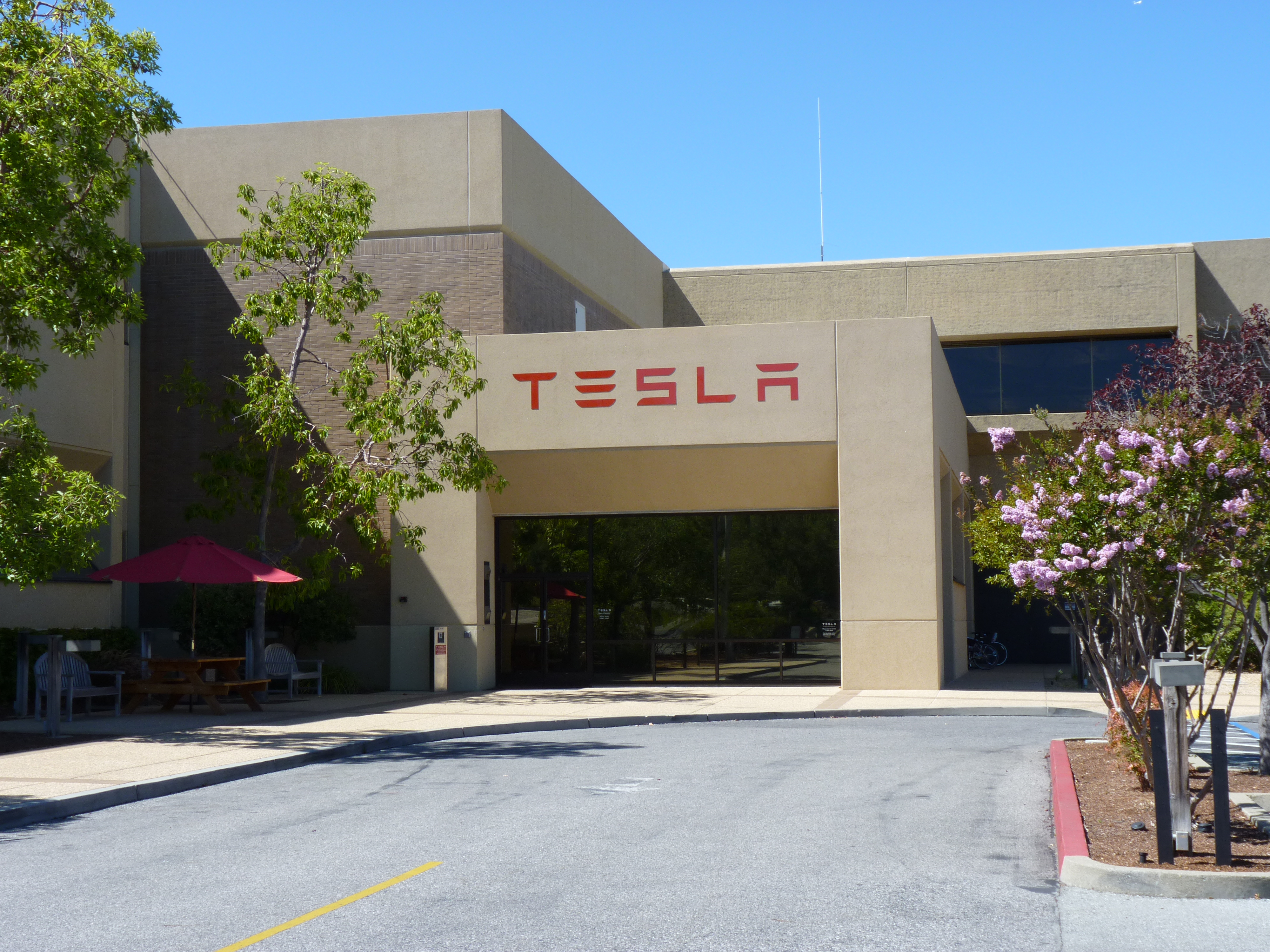
Tesla Inc. shares fell about 10% [1] on Thursday after the company reported a massive increase in AI-related spending in its quarterly earnings report.
The sell-off signals a shift in investor sentiment, as Wall Street begins to question whether the costs of developing artificial intelligence will outweigh the company's growth prospects.
According to reports from CNBC and the Los Angeles Times, the company has heavily promoted its AI capabilities to the public. However, the latest financial disclosures show that the scale of this investment is creating immediate pressure on the company's bottom line [2], [3].
Market analysts said that the spending shock disappointed investors during the Thursday trading session in New York [4], [5]. The trend reflects a broader pattern across the tech sector, where high-capital expenditures on AI infrastructure are testing the patience of shareholders who expect rapid returns.
Tesla has positioned itself as an AI company rather than a traditional automaker, focusing on autonomy and robotics. Despite this vision, the disparity between the current spending levels and realized revenue growth has prompted a cautious reaction from the market [3].
The decline in share price follows a period of high expectations regarding the company's ability to monetize its AI initiatives. Investors are now seeking more concrete evidence of how these investments will translate into sustainable profit margins [2].
“Tesla's share price fell about 10% after the earnings release.”
This reaction indicates that the 'AI premium' previously granted to tech companies is narrowing. Investors are moving from a phase of speculative excitement to a phase of financial scrutiny, demanding that companies prove AI spending leads to proportional revenue growth rather than just increased operational costs.