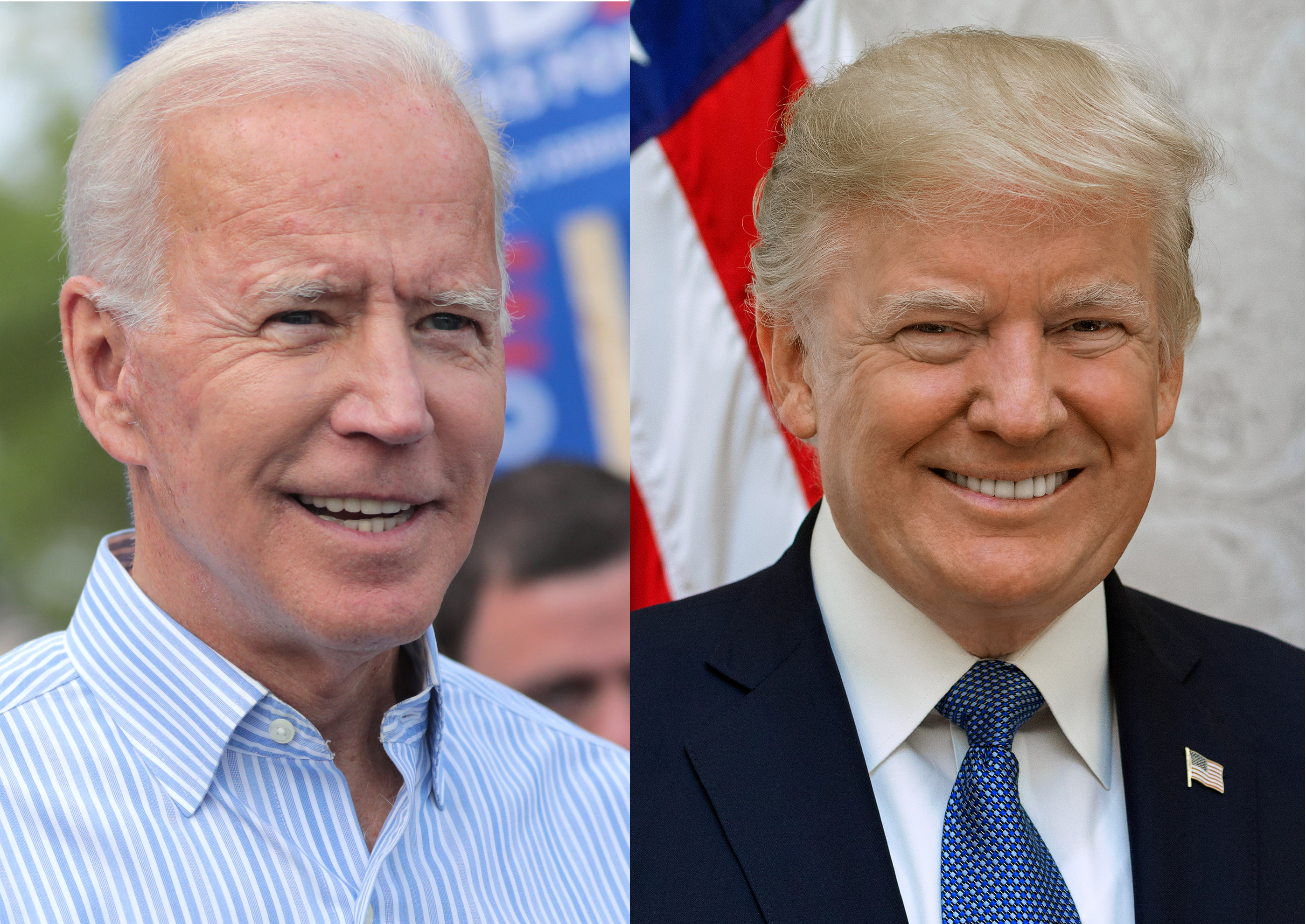
President Donald Trump (R-FL) signed an executive order on Aug. 10, 2026 [1] that reduces the number of recommended vaccinations for children.
This move represents a significant shift in U.S. public health policy by altering federal guidelines that have historically relied on broad medical consensus. The change could impact how pediatricians administer preventative care and how parents perceive the safety of childhood immunizations.
The executive order trims the federal vaccine schedule for children [2]. This action follows promotion from HHS Secretary Robert F. Kennedy Jr., who has long expressed skepticism regarding vaccines [2].
During the process of implementing the order, the administration repeated claims that childhood vaccines are linked to autism [1], [2]. Medical researchers and health organizations have previously debunked these assertions, stating no such link exists.
The order was signed at the White House in Washington, D.C. [2]. It marks a formal alignment between the presidency and the views of Secretary Kennedy Jr. regarding the necessity, and frequency, of early childhood vaccinations [2].
Federal health guidelines typically serve as the primary framework for state-level mandates and clinical recommendations. By reducing the recommended number of shots, the administration is altering the baseline for preventative medicine across the U.S. [2].
“The executive order trims the federal vaccine schedule for children.”
The reduction of the federal vaccine schedule may lead to a decrease in immunization rates for preventable diseases. Because federal guidelines often influence state laws and insurance coverage, this order could create a fragmented landscape of pediatric care where vaccine access and requirements vary significantly by region.