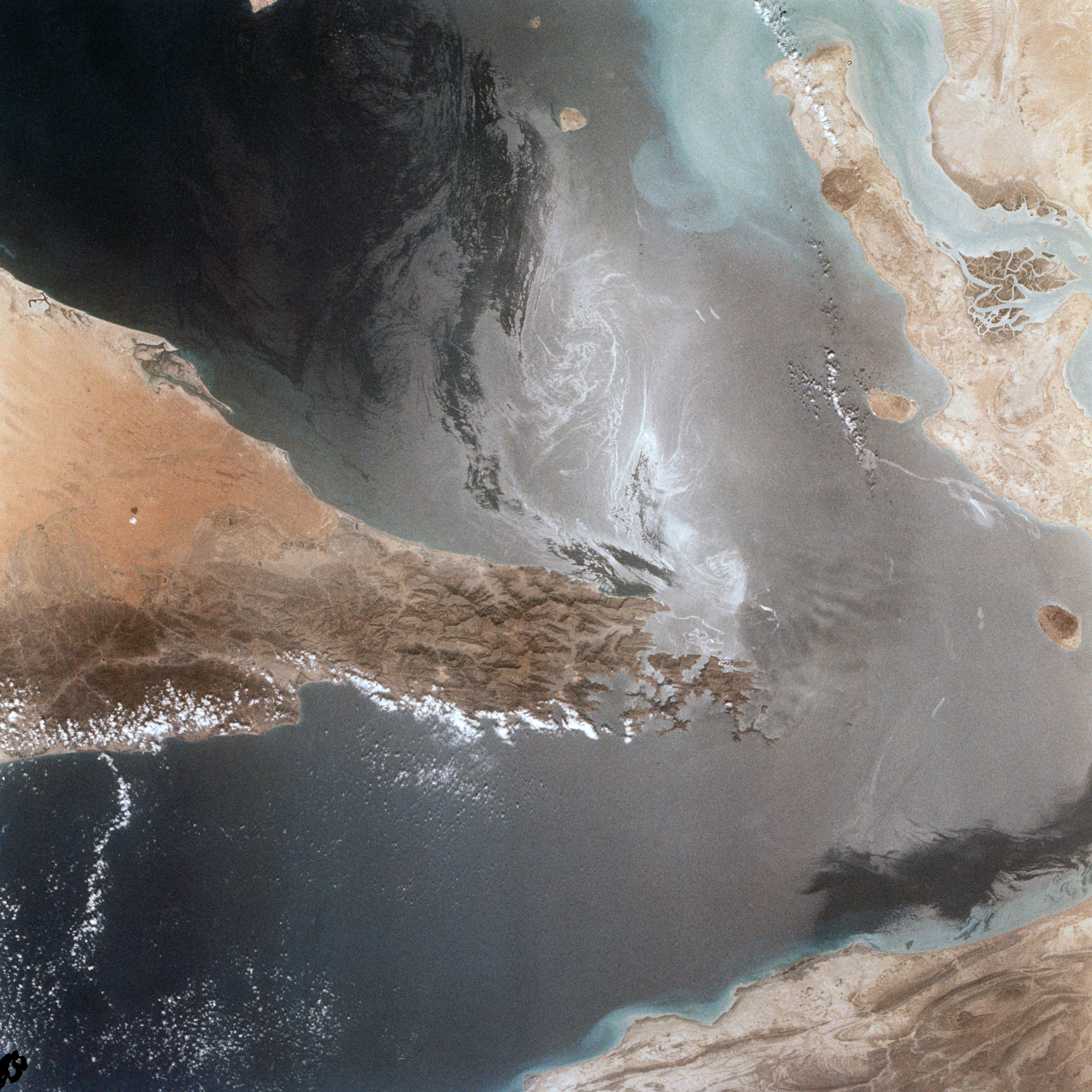
President Donald Trump authorized a second night of U.S. airstrikes against targets in Iran on Wednesday, July 8 [1].
These strikes signal a significant escalation in regional tensions and a departure from previous diplomatic efforts to maintain stability. The move suggests a shift toward a more aggressive military posture in the Middle East as the administration seeks to project strength.
The military operations targeted locations within Iran, including sites in the Strait of Hormuz [2]. This marks the second successive night of offensive action [3]. The administration said the strikes were a matter of retribution for Iranian actions.
Officials said the operation proceeded because a prior cease-fire and interim agreement was deemed over [4]. The decision to resume strikes follows a period of volatility in the Gulf region, where the U.S. has maintained a presence to secure shipping lanes and counter Iranian influence.
Trump said the operations were a necessary response to ensure national security. The strikes were designed to degrade Iranian capabilities and serve as a deterrent against further provocations. While the specific number of targets hit has not been disclosed, the focus remained on strategic assets and infrastructure [2].
The timing of the strikes comes as international observers question whether the U.S. is returning to a state of broader conflict with Tehran. The administration has said these actions are targeted and retaliatory rather than an attempt to initiate a full-scale war. However, the breach of the interim agreement removes a primary diplomatic barrier that had previously limited direct military engagement [4].
U.S. forces continue to monitor the situation in the Strait of Hormuz to prevent further escalation from Iranian forces. The administration has not said if additional nights of strikes are planned, though the current strategy emphasizes retribution for recent events [1].
“President Donald Trump authorized a second night of U.S. airstrikes against targets in Iran”
The collapse of the interim cease-fire agreement removes the primary diplomatic framework preventing direct military conflict between the U.S. and Iran. By targeting the Strait of Hormuz, the U.S. is leveraging a critical global oil chokepoint to apply maximum pressure on Tehran. This transition from diplomatic containment to active kinetic strikes indicates a high-risk strategy that prioritizes deterrence through force over negotiated stability.