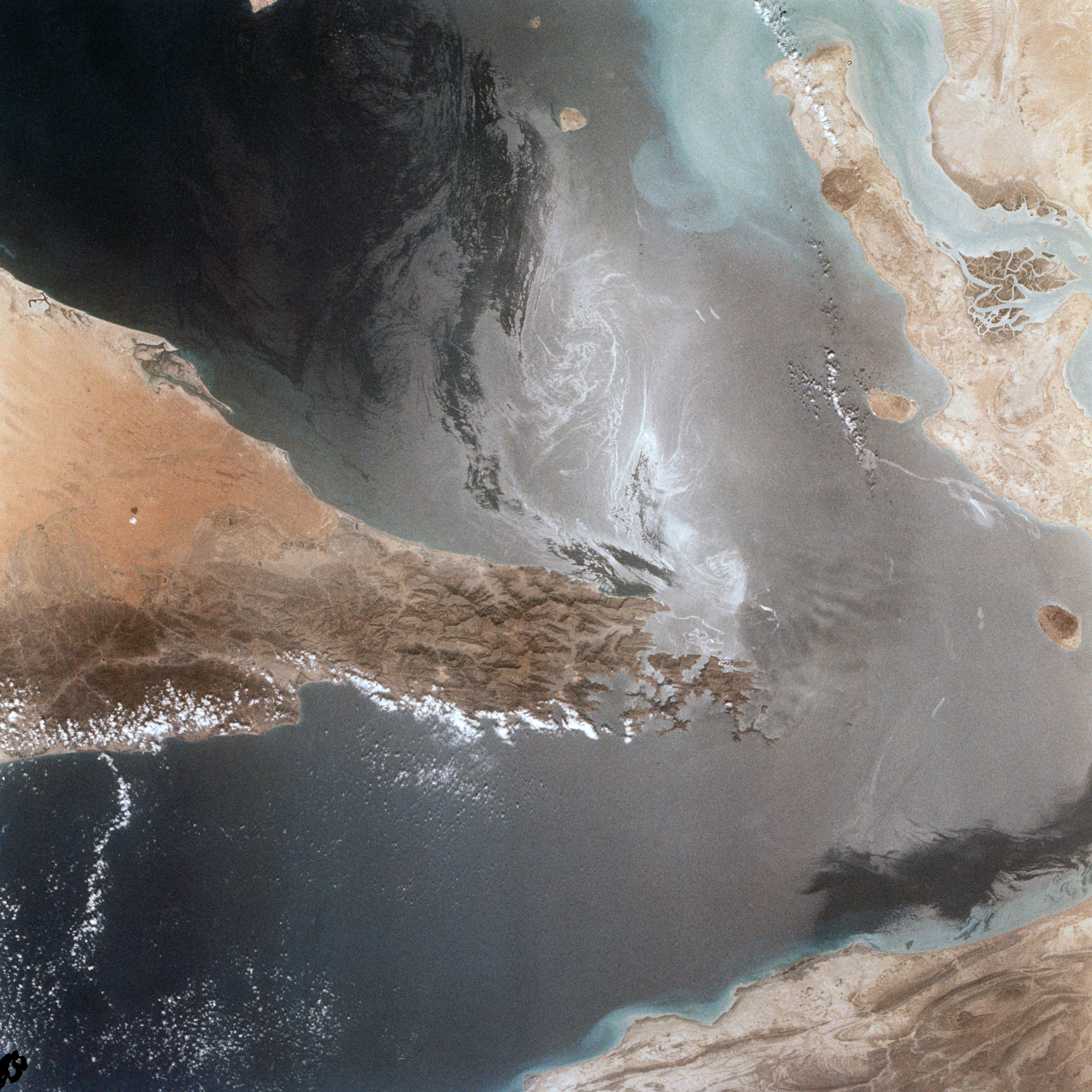
The U.S. military carried out a new wave of airstrikes Tuesday targeting the Port of Kuhestak in Iran's Hormozgan Province [1, 2].
These operations signal a significant escalation in regional tensions. The strikes targeted infrastructure near the Strait of Hormuz, one of the world's most critical oil transit chokepoints, following a series of attacks on commercial vessels [3].
Video and eyewitness reports show thick smoke billowing from the port area after the strikes landed [1, 2]. U.S. Central Command said the mission was a direct retaliation for the targeting of commercial ships transiting the strait [3].
Reports on the exact location of the damage have varied. While some outlets reported smoke rising over Tehran, other reports specified the impact occurred at the Port of Kuhestak in the south [1, 4].
President Donald Trump (R-FL) previously commented on the fragility of regional stability. He said, "I think the ceasefire and interim agreement to end the war with Iran are now 'over'" [3].
The U.S. military has not provided a full casualty count or a detailed list of the specific assets destroyed during Tuesday's operation. The focus of the strikes remained on the maritime infrastructure used to facilitate regional disruptions [1, 2].
“Smoke rose from the port of Kuhestak in Hormozgan Province.”
The targeting of the Port of Kuhestak suggests a U.S. strategy to degrade Iran's ability to project power in the Strait of Hormuz. By striking maritime infrastructure, the U.S. is attempting to secure commercial shipping lanes, but the move risks a broader cycle of retaliation that could disrupt global energy markets.


