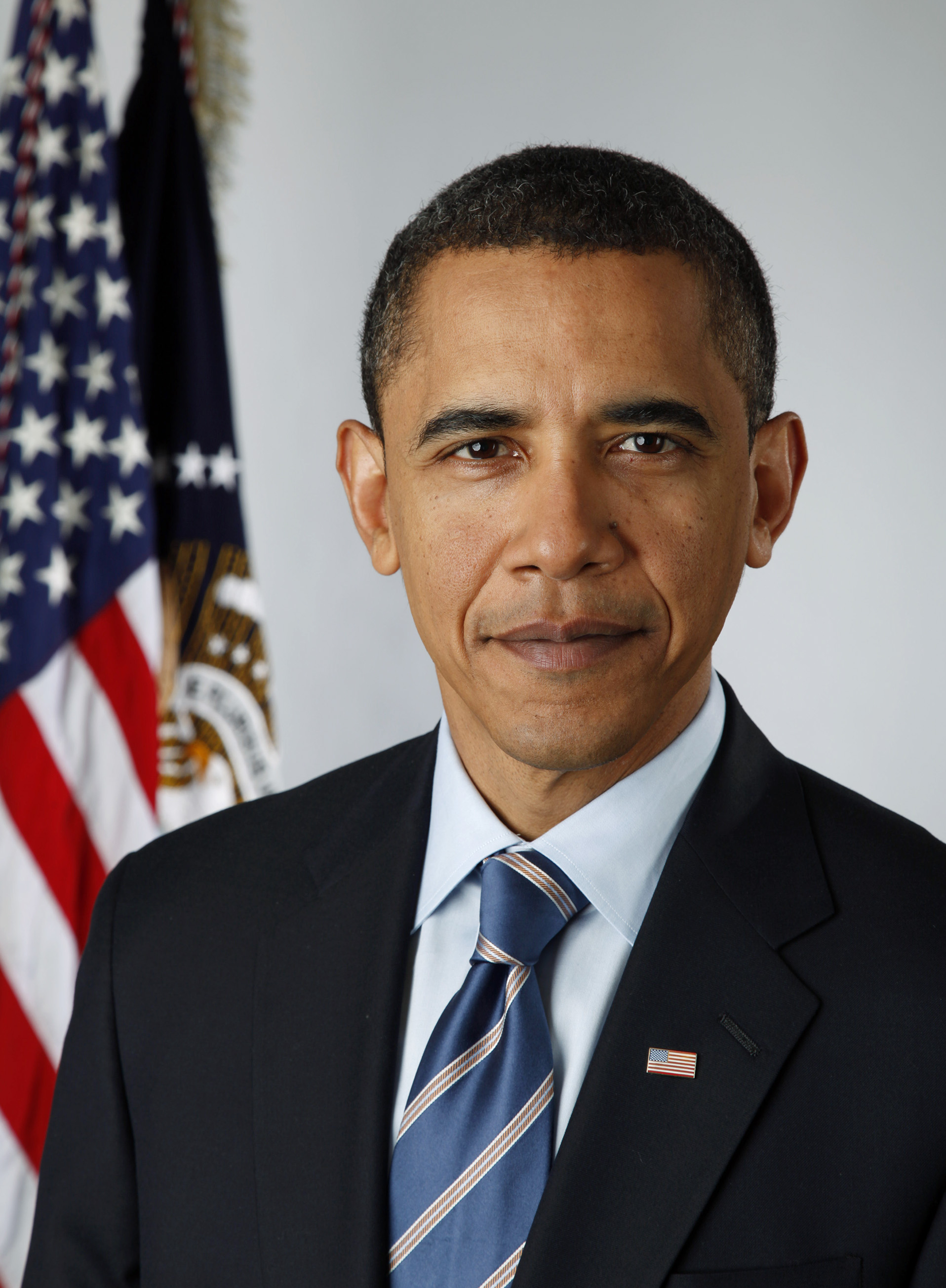
U.S. President Donald Trump has proposed a deal with Iran intended to end hostilities and reopen the Strait of Hormuz.
The agreement is critical because the Strait of Hormuz serves as a primary artery for global oil shipments. Any instability in the region threatens international energy prices and commercial shipping security.
Negotiations for the deal have been ongoing for approximately three months [1]. The primary objectives of the proposal are to halt active attacks, prevent further nuclear escalation, and ensure the safe passage of commercial vessels through the strategic waterway.
Reports on the progress of the agreement remain contradictory. President Trump said the deal to reopen the Strait of Hormuz is largely negotiated [2]. However, other reports suggest the president has fluctuated on the ceasefire deal as attacks in the region have intensified [3].
Internal political pressure also complicates the negotiations. Republican allies said a deal to end the war would embolden Iran [4]. This tension exists alongside the administration's stated goal of restoring stability to the region's maritime trade.
Analysts said signals from the administration are mixed regarding whether the deal is nearing completion or if it may never materialize [5]. The uncertainty persists as both sides navigate the security requirements for a lasting ceasefire.
“President Trump said the deal to reopen the Strait of Hormuz is largely negotiated”
The discrepancy between the administration's optimistic claims and the reports of 'flip-flopping' suggests a fragile diplomatic process. If the deal fails to materialize, the continued closure or instability of the Strait of Hormuz could lead to prolonged global economic volatility and an increased risk of direct military conflict between the U.S. and Iran.