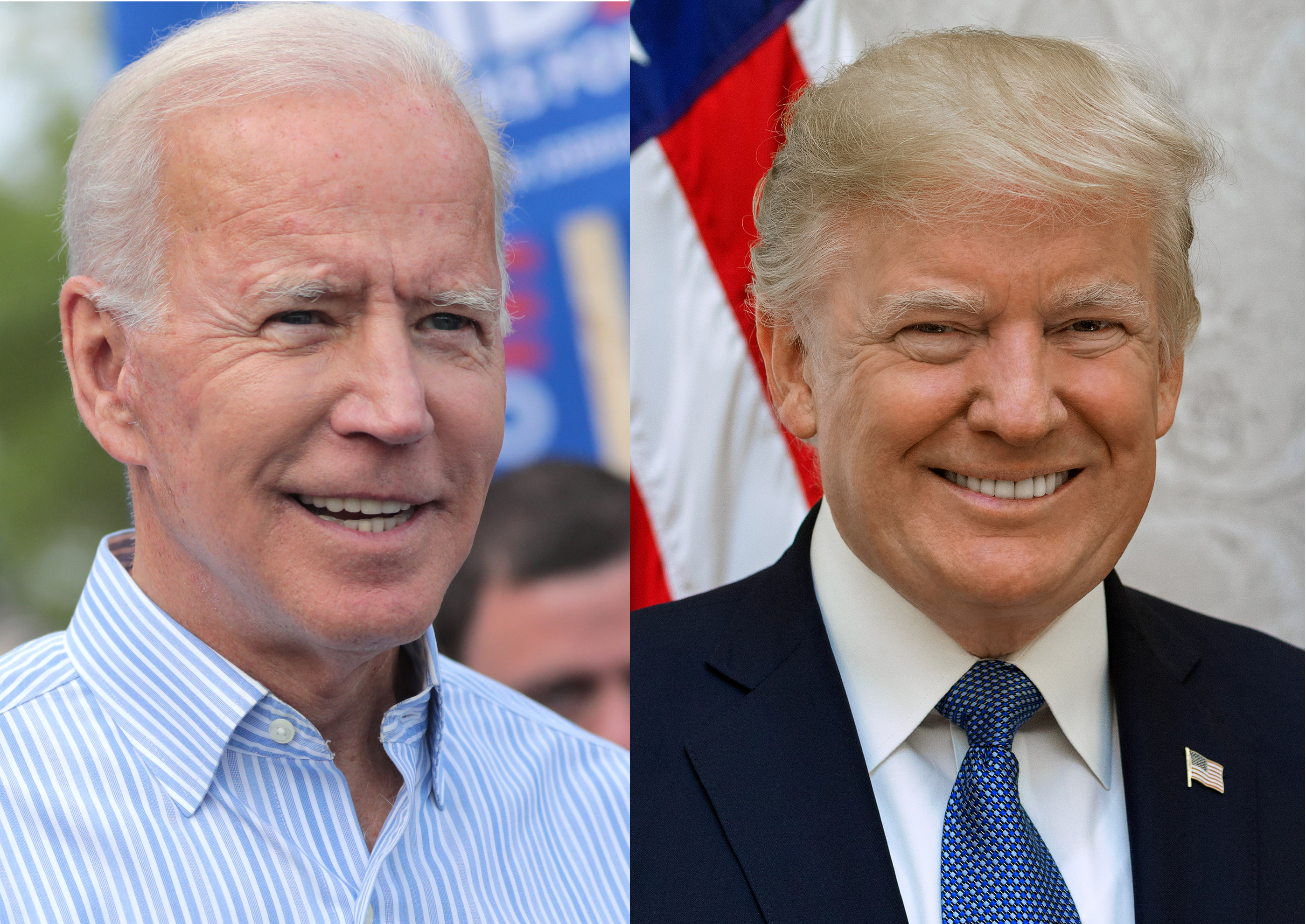
President Donald Trump delivered a primetime address from the White House on July 16, 2026, warning the nation about vulnerabilities in election integrity [1].
The speech signals a push for immediate federal intervention and increased public vigilance regarding the security of the U.S. voting system. By utilizing a primetime slot, the administration is elevating the perceived risk of election interference to a matter of national urgency.
Speaking from the Oval Office at 9 p.m. ET [1], the president said he urged for immediate public awareness and federal action to address these vulnerabilities [2]. The address focused on the integrity of the U.S. election system, though some reports described the warning as a broader threat to national security [3].
According to reports, the president said his warnings were based on declassified documents that allegedly show vulnerabilities within American election systems [4]. These claims serve as the primary justification for the call to action directed at both the federal government and the general public.
The timing of the address on July 16, 2026 [1], placed the issue of election security at the forefront of the national conversation. While the specific nature of the threats varied across reports, ranging from specific system vulnerabilities to general national security concerns, the central theme remained the need for systemic safeguards [3], [4].
This address follows a period of heightened scrutiny regarding how the U.S. manages its voting infrastructure. The president's call for federal action suggests a potential shift in how the administration intends to oversee election security, which has traditionally been managed largely at the state and local levels.
“President Donald Trump delivered a primetime address from the White House warning the nation about vulnerabilities in election integrity.”
This address represents an effort to centralize the narrative around election security under federal authority. By citing declassified documents, the administration is attempting to provide a factual basis for urgent policy changes or increased oversight of state-run election processes, potentially altering the traditional balance of power between federal and state election management.