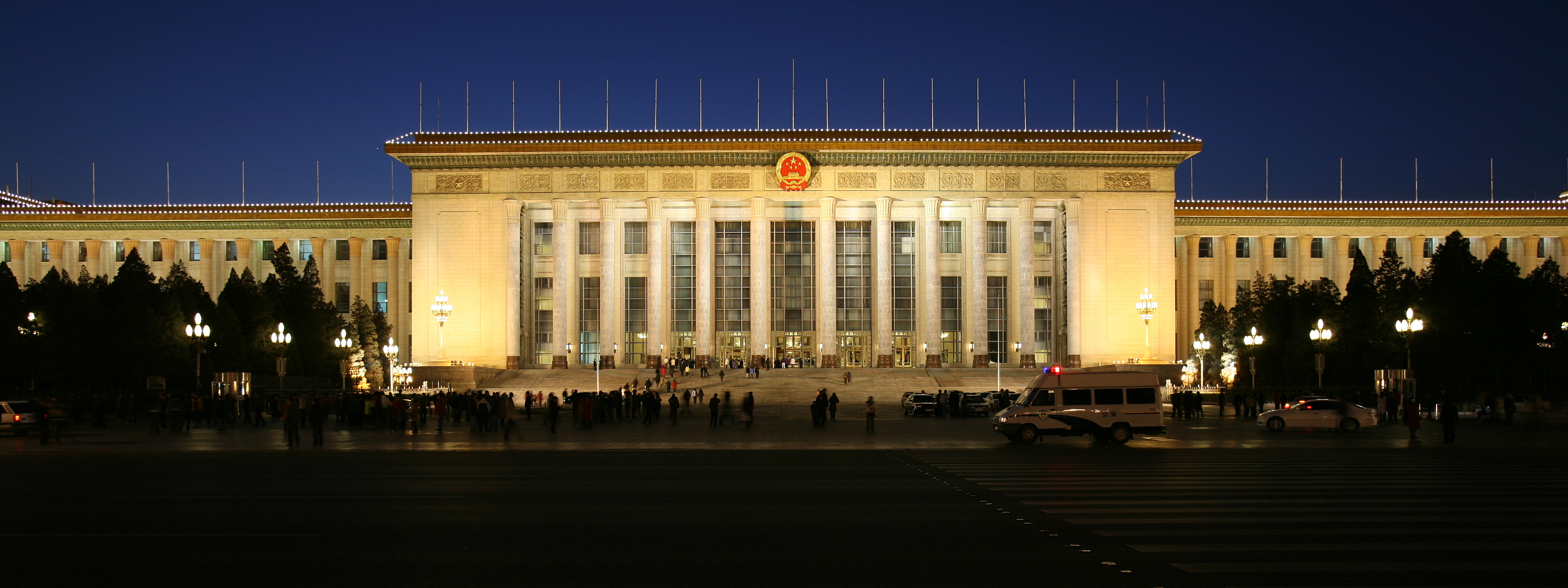
U.S. President Donald Trump and Chinese President Xi Jinping concluded a two-day summit in Beijing on Friday to discuss trade and security [2].
The meeting represents a critical attempt to stabilize relations between the world's two largest economies amid ongoing tensions over regional sovereignty and global trade imbalances.
The leaders spent May 14 and 15 in Beijing, where they engaged in discussions regarding Iran and Taiwan [1, 2]. The itinerary included a tour of the Zhongnanhai Garden compound, and a formal state banquet [1, 3].
A primary focus of the summit was the economic relationship between the two nations. As part of the trade discussions, China agreed to purchase 200 Boeing aircraft [4]. Chinese officials also signaled interest in acquiring up to 750 additional planes in the future [4].
Throughout the two-day event [2], the leaders sought ways to improve bilateral ties. The talks aimed to address pressing issues that have historically strained the U.S.-China relationship, ranging from military presence in the Pacific to trade deficits [1, 2].
The summit concluded with a series of high-level meetings intended to establish a framework for future cooperation. Both leaders participated in the state banquet as a gesture of diplomatic courtesy before the conclusion of the visit [1, 3].
“China agreed to purchase 200 Boeing aircraft”
The commitment to purchase hundreds of Boeing aircraft serves as a tangible economic olive branch, suggesting a preference for transactional diplomacy to ease geopolitical friction. By addressing Taiwan and Iran alongside trade, the summit attempts to decouple specific security disputes from broader economic cooperation, though the long-term stability of these agreements remains dependent on continued mutual concessions.


