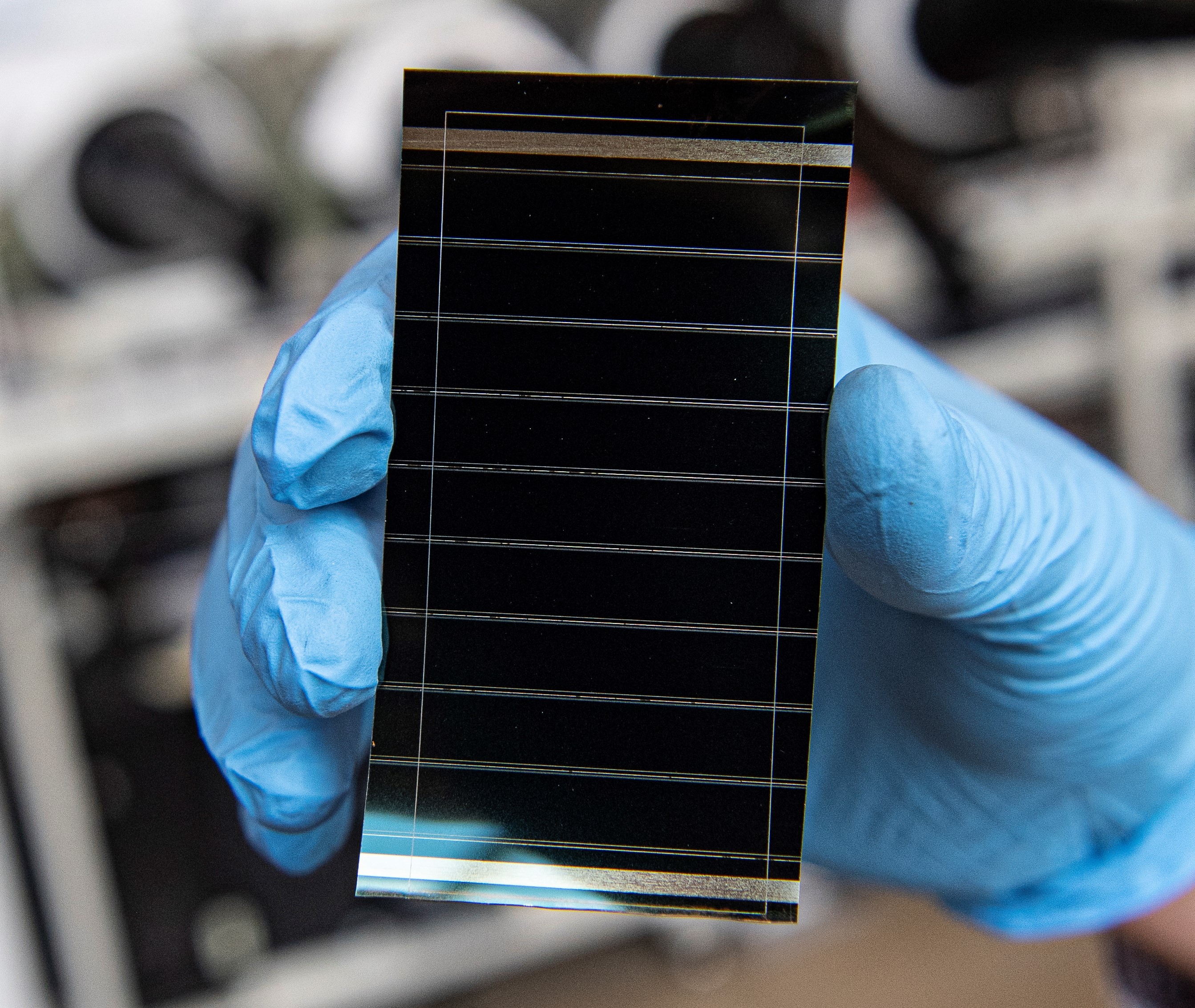
Researchers at TU Graz have discovered that metal-organic framework (MOF) thin films exhibit a hidden dense packing structure [1].
This finding challenges decades of scientific assumptions about the porosity of these materials. Because MOFs are primarily valued for their high porosity, this discovery could fundamentally alter how scientists design and use them for critical industrial and medical applications [2].
Metal-organic frameworks are widely regarded as promising materials for innovation due to their porous nature [2]. They are currently used to store gases, capture carbon dioxide, and facilitate the targeted delivery of medicines [2]. The ability to manipulate these structures is so significant that the field was recognized with a Nobel Prize in 2026 [3].
Despite their reputation as porous sponges, the TU Graz team demonstrated that in thin film form, these materials do not always behave as expected. A researcher from TU Graz said, "Researchers at TU Graz have now demonstrated that the MOF thin films exhibit a hidden dense packing" [1].
This structural revelation suggests that the physical properties of MOFs may change depending on how they are manufactured. While bulk materials may remain porous, the thin films used in coatings or sensors might possess a density that was previously unknown to the scientific community [1].
By identifying this hidden packing, the researchers provide a new framework for understanding how these materials interact with gases and chemicals. This shift in understanding may lead to more efficient carbon capture technologies, and more precise drug delivery systems, by allowing engineers to account for density variations in thin-film applications [2].
“MOF thin films exhibit a hidden dense packing.”
The discovery of dense packing in MOF thin films indicates that the material's porosity is not a constant property but varies by form. This means that current models for gas storage and carbon capture—which rely on the assumption of high porosity—may be inaccurate when applied to thin-film technologies, requiring a recalibration of how these materials are engineered for industrial use.